
Why Korea’s favourite drink comes in a green bottle (and almost wasn’t Korean)

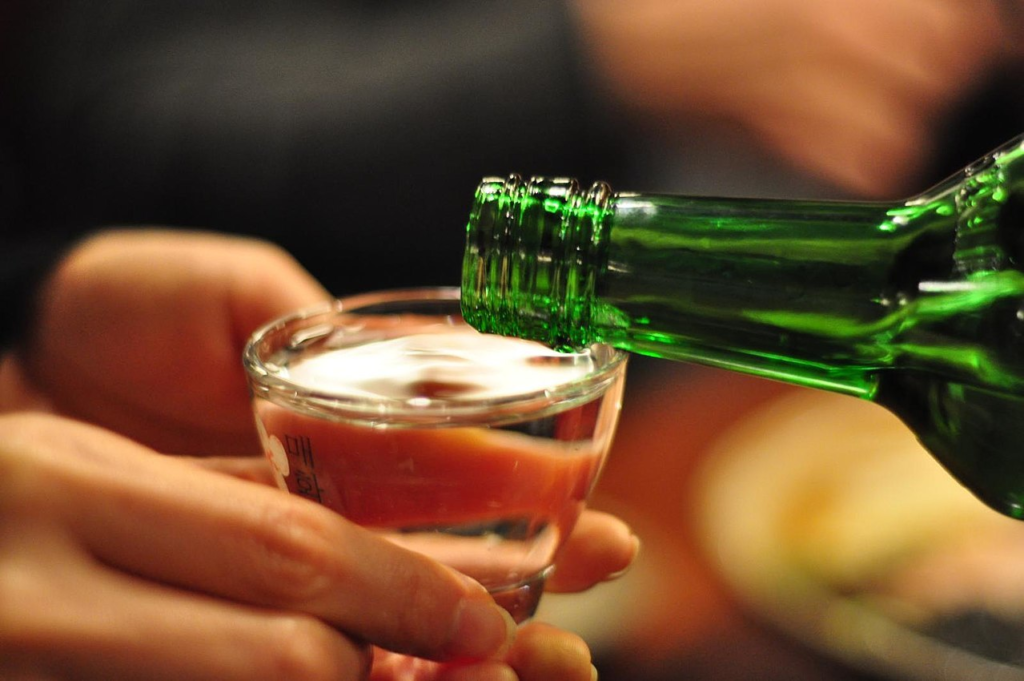
Walk into any Korean restaurant at dinnertime and you’ll see it within seconds. A squat green bottle sweating on the table, a stack of small glasses, and someone pouring for the person next to them with two hands. 소주 (soju) is everywhere in Korea. It’s cheaper than bottled water in some shops, it’s the background to first dates and work dinners and breakups, and the green glass is so familiar that most people never stop to wonder about it.
Here’s the thing most people assume: that soju is some ancient drink, more or less unchanged, that Koreans have been knocking back the same way for centuries. The truth is more tangled, and honestly more interesting.
The soju that kings drank
Distilled soju did arrive in Korea a long time ago, and we can be fairly specific about it. The technique came with the Mongols during their invasions in the late 13th century, around the 1270s, during the Goryeo dynasty. Mongol forces set up bases in cities like Kaesong, Andong, and Jeju, and the distillation method they brought spread out from those spots. Andong in particular still makes a traditional distilled soju today, and it’s no coincidence that it was a Mongol garrison town.
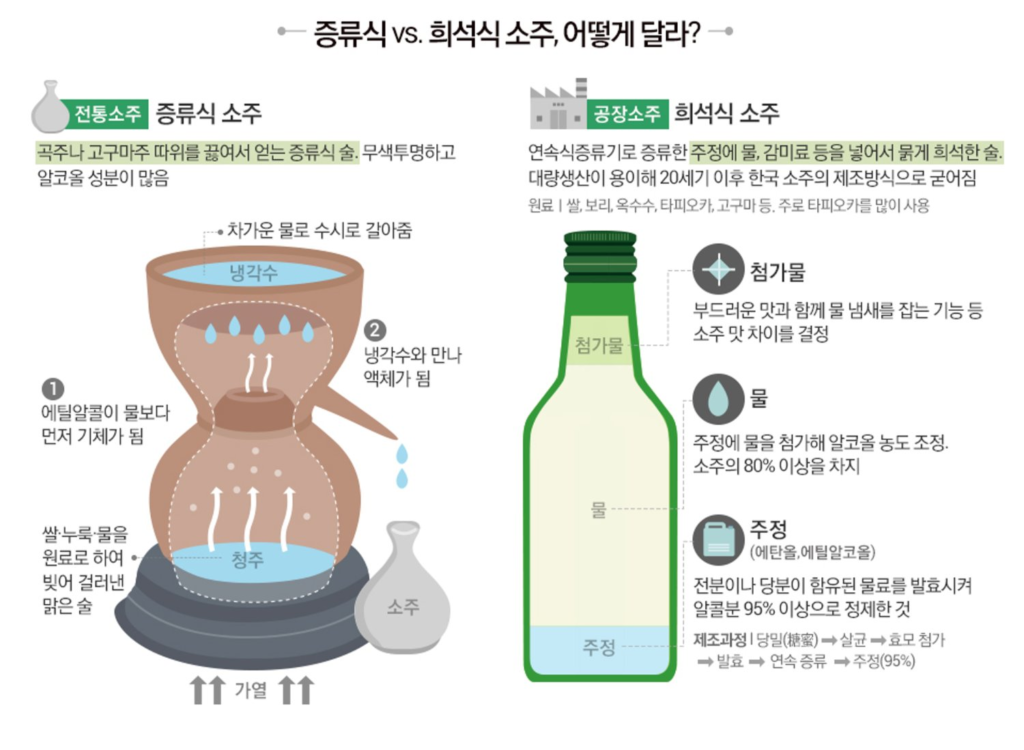
That early 소주 (soju) was a proper distilled spirit. You ferment grain, usually rice, then heat it and capture the vapour. What drips out is strong, clean, and expensive. For most of Korean history this was a drink for people who could afford grain to burn, not an everyday thing. The word itself tells you how it was made: 소주 comes from characters meaning “burned liquor,” a nod to the heat of distillation.
A useful word here is 증류 (jeungnyu, distillation). If you ever visit a traditional distillery, you’ll see it on the tour.
The rice problem that changed everything
Now the plot turns. After the Korean War, Korea was poor and hungry, and rice was too precious to pour into liquor. In 1965 the government banned the use of rice for making soju. That single decision reshaped the drink completely.
Distillers switched to a cheaper method called 희석식 소주 (huiseoksik soju, diluted soju). Instead of distilling grain into a flavourful spirit, factories produced a nearly pure, neutral alcohol from things like sweet potato, tapioca, and other starches, then watered it down and added a touch of sweetener. It was smooth, cheap, and could be made in huge quantities. This is the soju in the green bottle, and it’s what almost everyone in Korea actually drinks.
So when someone tells you soju is a centuries-old tradition, they’re half right. The spirit is old. The cheap, mass-produced version that became the national drink is a product of the 1960s and 70s, born out of scarcity and industrial scale.
Why green, and why so cheap
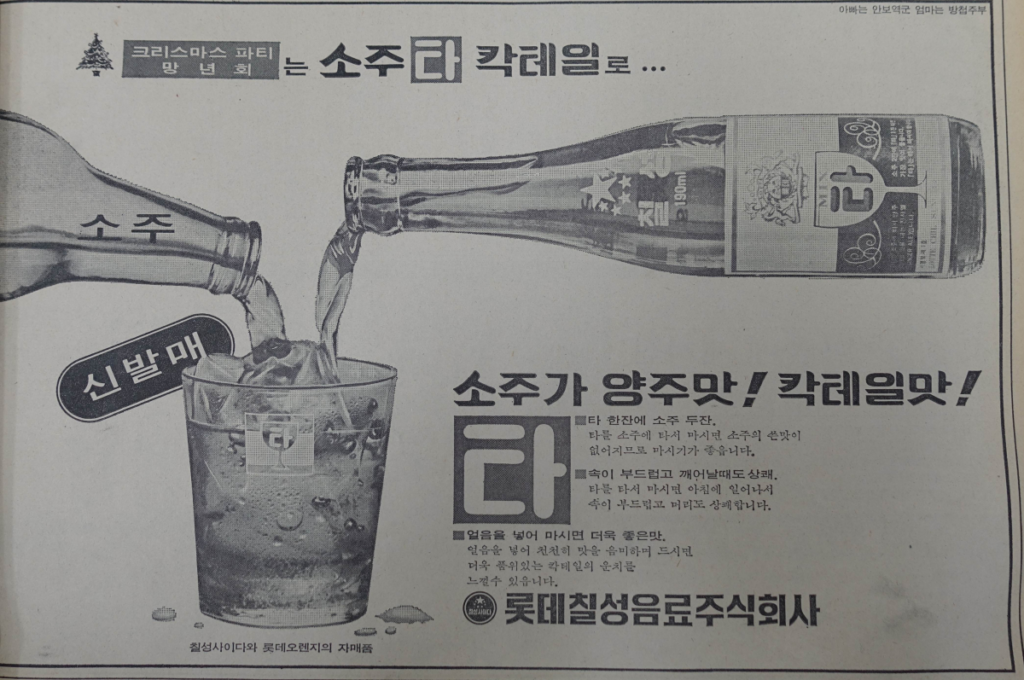
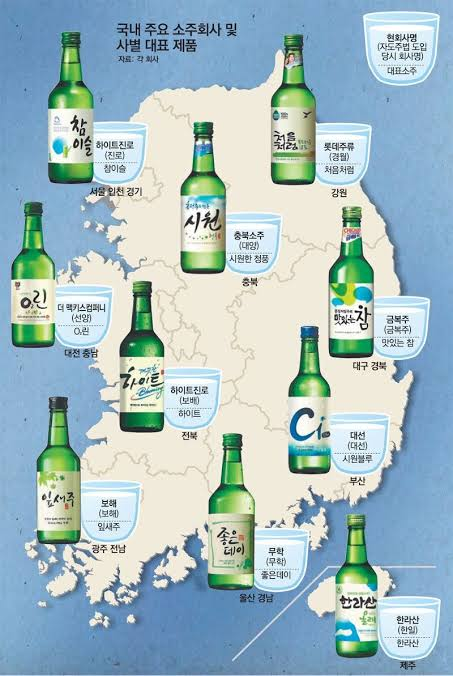
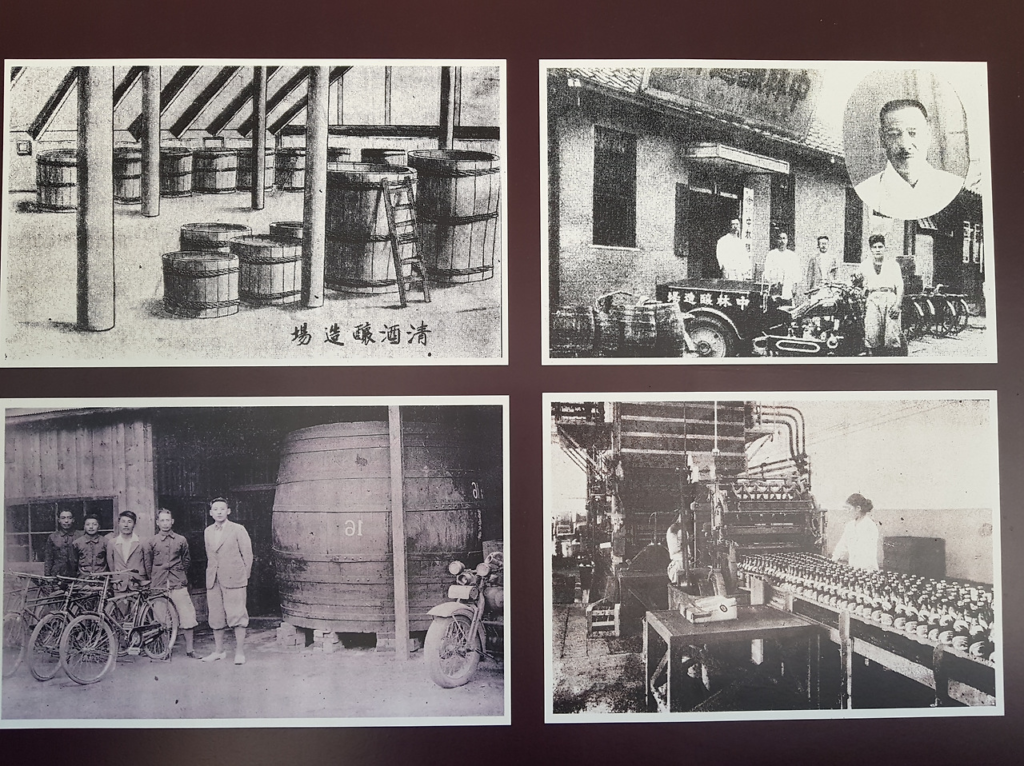
The green bottle feels eternal, but it isn’t. For decades soju came in clear or transparent bottles. The now-iconic green glass became the standard in the 1990s, when one major brand switched colours and the rest of the industry followed, partly for recycling and partly because the look caught on. The bottles are returned, washed, and refilled over and over, which is one reason soju has stayed astonishingly affordable even as everything else got pricey.
Industrialisation did the rest. As Koreans moved into cities and into factory and office jobs through the 70s and 80s, the after-work 회식 (hoesik, company dinner) became a fixture, and soju was its fuel. Cheap, strong, and shared, it fit the moment perfectly. A phrase you’ll hear a lot at these gatherings is 한 잔 하자 (han jan haja, let’s have a drink).
The moment soju almost stopped being Korean
Then came 1997, and the IMF crisis. When the financial collapse hit, Korean companies across every industry were suddenly up for sale, drowning in debt and desperate for foreign cash. Soju makers weren’t spared. During those years, major soju companies faced the real risk of being bought out by foreign firms, which would have meant that Korea’s most everyday, most emotional drink could have ended up owned from abroad. It’s a strange thought: the bottle on your dinner table, the one tied to every late-night confession and office party, nearly changing hands to a company in another country.
That didn’t end up happening in the way people feared, and soju stayed close to home. But the near-miss is a good reminder that this drink isn’t some untouchable relic. It’s been shaped by war, by poverty, by government rules, and by a financial crash, all within living memory.
How it shows up now
Today soju is doing something its 1960s makers never planned. Flavoured versions in soft fruit colours sell by the millions, and the drink has gone global, turning up in bars from Los Angeles to Bangkok. Back home, the rituals around it are what matter most. You pour for others, not yourself. You turn slightly away from an elder when you drink. You hold the glass with both hands when someone older pours for you.
Learn one phrase and you’ll fit right in at a Korean table: 건배 (geonbae, cheers). Say it, clink glasses, and remember to let the oldest person at the table lift theirs first.
Next time you see that green bottle, you’ll know it carries a Mongol distillery, a rice ban, a recycling scheme, and a brush with foreign ownership, all in one cheap, cold pour.
Practice What You Learned
Try these interactive quizzes related to this topic:












Responses