
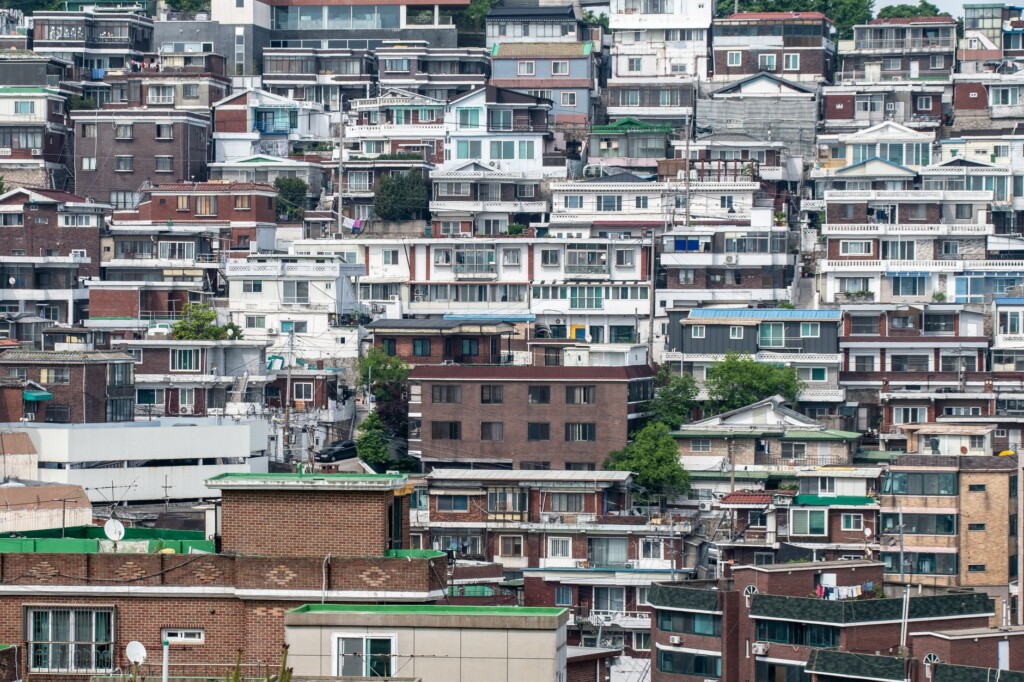
Finding an Apartment in Seoul as a Foreigner in 2026: Jeonse, Wolse, and What’s Changed

You’ve landed the job, booked the flight, and now the real puzzle begins: finding an apartment in Seoul as a foreigner. If you’re arriving in the busy second half of the year, you’re in good company—and you’re about to meet Korea’s two most confusing words: jeonse and wolse. Don’t worry. Once you understand how they work, the whole process gets a lot less scary.
Jeonse vs. Wolse: The Two Ways Koreans Rent
Korea has a rental system unlike almost anywhere else in the world. Instead of a simple monthly rent, you’ll usually choose between two structures.
전세 (jeonse) — the “key money” lease
With jeonse (전세), you hand the landlord one enormous lump-sum deposit—often 50–80% of the apartment’s value—and pay zero monthly rent. When your contract ends (usually two years), you get the entire deposit back. Sounds magical, but for a modest Seoul apartment that deposit can easily be ₩200–400 million. Most newly arrived foreigners simply can’t front that much cash.
월세 (wolse) — monthly rent
Wolse (월세) means “monthly payment.” You put down a smaller deposit—commonly ₩5–20 million—and then pay monthly rent on top, typically ₩500,000–₩1,500,000 depending on size and location. This is what the vast majority of foreign newcomers use because the upfront cost is manageable.
There’s also a middle option called ban-jeonse (반전세), literally “half jeonse”: a bigger deposit with lower monthly rent. If you have some savings, it can meaningfully cut your monthly bills.
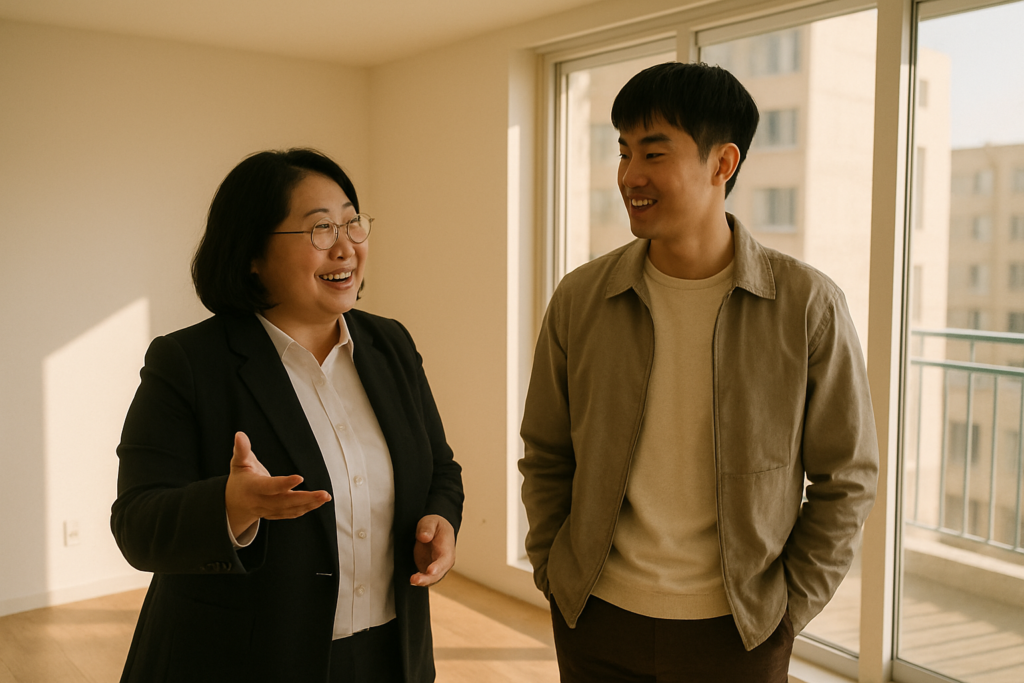
What’s Changed for Foreign Renters in 2026
The rental market has tightened after several years of high-profile jeonse fraud (전세사기, jeonse-sagi) cases, where landlords disappeared with deposits. The good news: protections are stronger now, but they come with more paperwork.
- Deposit protection is front and center. Always register your lease at the local district office to get confirmed date (확정일자, hwakjeong-ilja) status, which gives you legal priority to recover your deposit if things go wrong.
- Move-in registration (전입신고, jeonip-singo) combined with the confirmed date is now considered essential, not optional. Do both on the day you move in.
- Check the property’s debt. Ask your agent for the property register (등기부등본, deunggibu-deungbon) to confirm the landlord doesn’t owe more than the apartment is worth. Reputable agents expect this question in 2026.
- Deposit guarantee insurance through agencies like HUG or SGI is increasingly used and sometimes required by cautious tenants—budget for a small premium.
- Foreigner-friendly banking has improved, but you’ll still need your Alien Registration Card (외국인등록증) before signing most contracts, so prioritize getting it.
A quick tip: many landlords prefer wolse for foreigners precisely because the deposits are smaller and the legal exposure is lower. Lean into that—it works in your favor.
Best Seoul Neighborhoods for International Newcomers
Where you live shapes your whole experience. Here are areas that consistently work well for first-timers.
Itaewon & Hannam-dong (이태원 / 한남동)
The classic expat hub. English is widely spoken, international grocers are everywhere, and agents here handle foreigners daily. Rents run higher, but the soft landing is worth it for many.
Mapo-gu: Hongdae & Yeonnam-dong (홍대 / 연남동)
Young, creative, and packed with cafés and nightlife. Yeonnam-dong in particular is a favorite for its leafy “Yeontral Park” and reasonable wolse studios (원룸, one-room).
Gangnam & Yeoksam (강남 / 역삼)
Ideal if you work in tech or finance. It’s pricier, but transit is excellent and many buildings are newer. Expect competition and act fast when you see something good.
Seongdong-gu: Seongsu (성수)
Seoul’s “Brooklyn.” Converted warehouses, specialty coffee, and a strong startup scene. Rising rents, but a fantastic community for creatives.
Seongbuk & university areas
If you’re a student, look near your campus—Sinchon, Anam, or Hoegi—where goshiwon (고시원) and studio apartments are cheap and lease terms are flexible.
A Realistic Step-by-Step Plan
- Book temporary housing (a serviced apartment or share house) for your first 2–4 weeks so you can view places in person.
- Get your Alien Registration Card and a Korean bank account as early as possible.
- Use a licensed real estate agent (부동산, budongsan). Their fee (복비, bokbi) is regulated and split-friendly—expect roughly 0.3–0.5% of the deposit/rent value.
- View, then verify. Check water pressure, mold, heating (온돌, ondol floor heating), and the register document before signing.
- Register immediately for move-in and confirmed date at the district office.
Useful phrases to keep handy: “보증금이 얼마예요?” (bojeunggeum-i eolmayeyo?) — “How much is the deposit?” and “월세가 얼마예요?” (wolse-ga eolmayeyo?) — “How much is the monthly rent?”
You’ve Got This
The Korean rental system feels intimidating from the outside, but it’s logical once the vocabulary clicks. For most foreigners arriving in 2026, the winning formula is simple: choose wolse, protect your deposit with proper registration, and start in a newcomer-friendly neighborhood. Do that, and within a few weeks you’ll be handing over your key money, unpacking boxes, and calling Seoul home. Happy apartment hunting!
Practice What You Learned
Try these interactive quizzes related to this topic:









Responses