
That green bottle of soju? It used to taste nothing like this

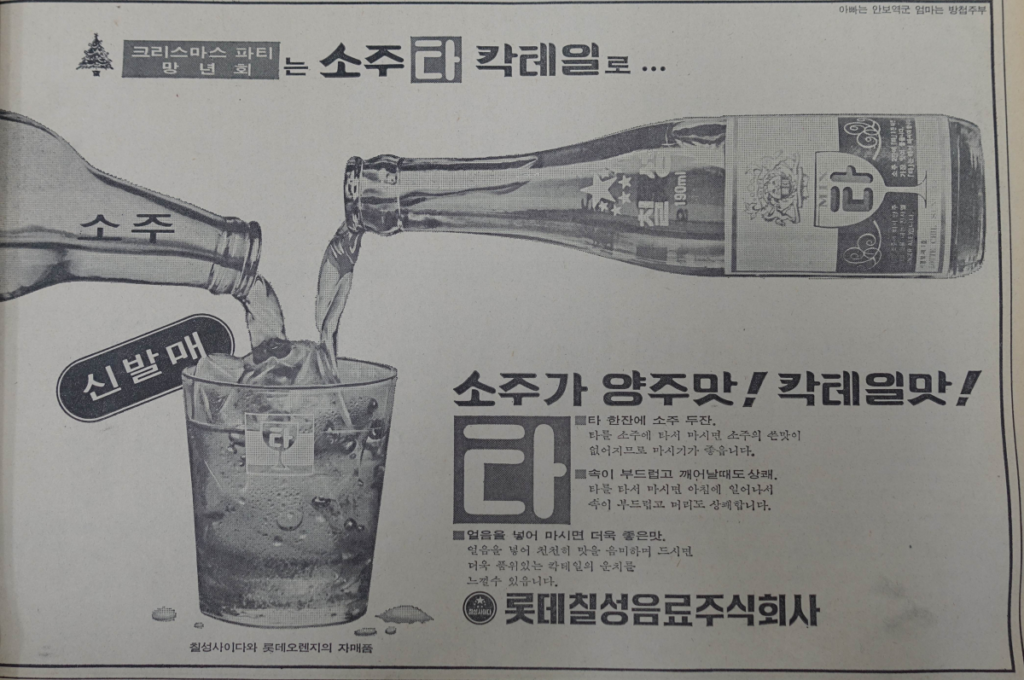
Pick up a bottle of soju today and you know exactly what you’re getting. Clear liquid, green glass, around 16 to 17 percent alcohol, smooth enough to shoot and cheap enough to order three bottles without flinching. But that drink is actually pretty young. The soju your Korean friends love wasn’t always this.
Go back a few hundred years and soju (
o
o
o, “soju”, roughly “burned liquor”) was a serious craft spirit. The name itself gives it away.
When soju meant real distillation
The word
o
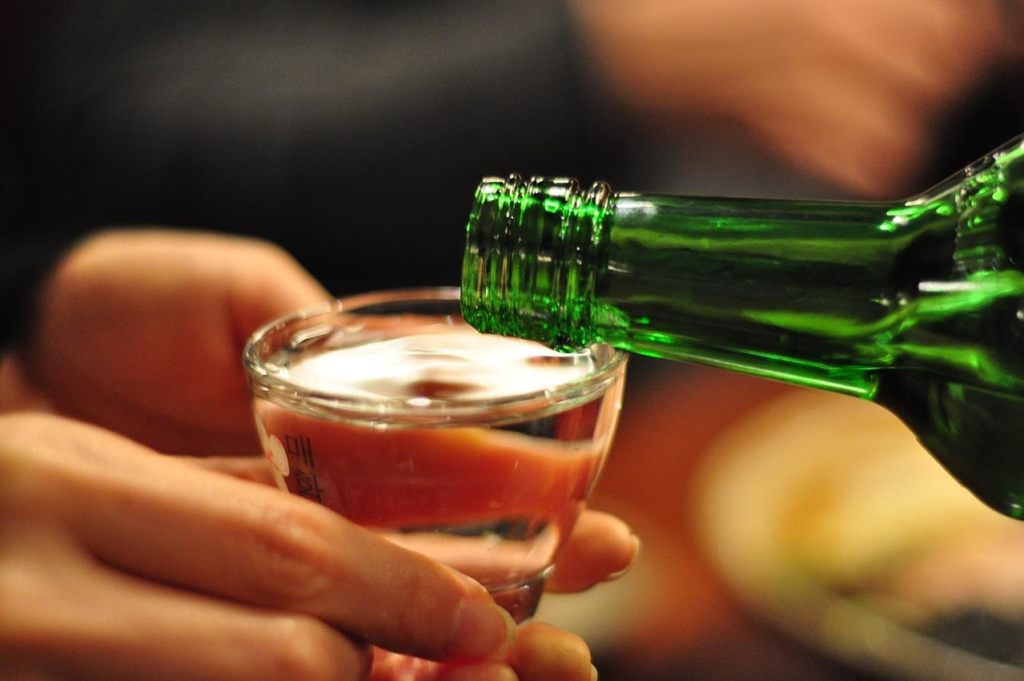
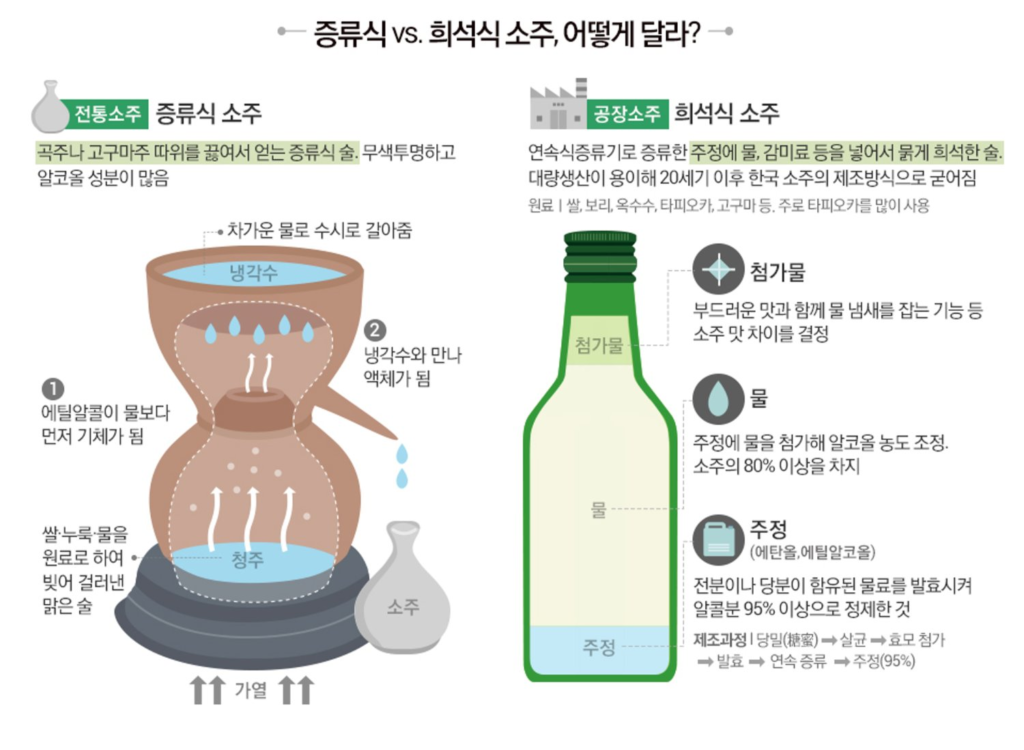
o (soju) literally points to heat and burning, which makes sense once you know how it was made. Grain was fermented, then distilled in a clay pot still, and the vapor was collected as it cooled. The result was strong, clean, and expensive. We’re talking 35 to 45 percent alcohol, closer to a good whisky than anything in a convenience store today.
Regional versions became famous. Andong soju from the southeast is still made the old way, and it packs a punch. Making it took a lot of grain, so for most of Korean history this was a drink for special occasions and people with money, not an everyday pour.
A useful word here:
o
o
o
o (“jeung-nyu-ju”, distilled liquor). If you ever see it on a menu or a bottle, you’re looking at the traditional, higher-proof style that your grandparents’ generation would recognize.
The switch that changed everything
Here’s the twist most people don’t know. The soju in the green bottle isn’t distilled the old way at all. It’s
o
o
o
o
o (“huiseoksik soju”, diluted soju).
What happened? Grain got scarce. During and after the Korean War, Korea couldn’t afford to burn mountains of rice to make liquor. In 1965 the government banned using grain to distill soju outright. So makers switched to a cheaper method: produce a nearly pure, flavorless ethanol from things like sweet potato or tapioca, then dilute it with water and add a little sweetener to soften the edge.
That’s why modern soju tastes so mild and neutral. It was never meant to taste like the craft spirit. It was engineered to be affordable. And it worked. Soju went from a rare treat to the drink everyone could put on the table.
The drink that got a whole country through the 70s and 80s
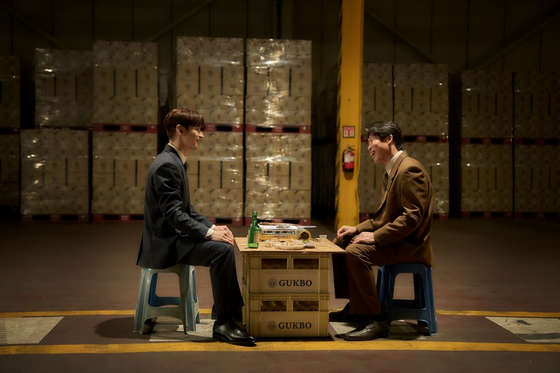
Now think about who was drinking it. Korea in the 1970s and 80s was changing fast and working brutally hard. Factory shifts ran long. Men and women left the countryside for the cities, chasing jobs and a better life for their kids. The days were exhausting, and money was tight.
At the end of those days, a cheap bottle of soju was there. Workers would gather after their shift, pour for each other, and talk through the stress. There’s a real tenderness in it. One glass to swallow a hard day, and tomorrow you start again.
A phrase worth keeping:
o
o
o
o
o (“han jan hal-kka-yo?”, “shall we have a drink?”). It’s less about the alcohol and more about sitting down together. And when someone pours for you, hold your glass with two hands if they’re older than you. That small gesture says a lot.
That generation built the country you see now. The same Korea that couldn’t spare rice for liquor in the 60s turned into one of the world’s advanced economies. Soju was quietly in the background the whole time, in the hands of the people doing the building.
So why is the bottle green?
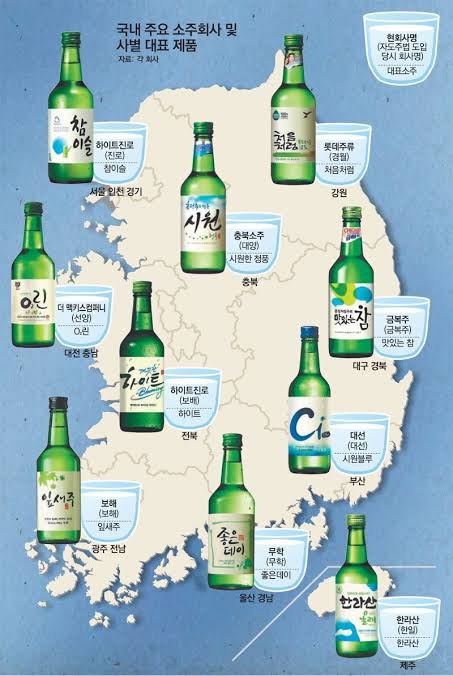
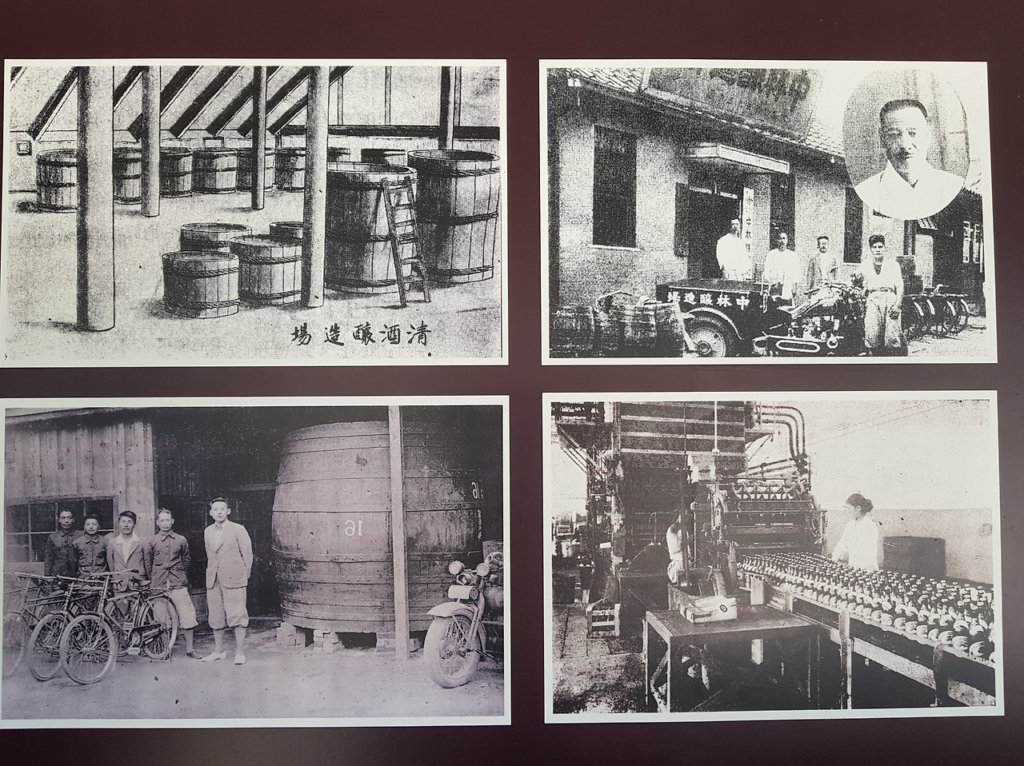
For a long time soju bottles were clear. The green standard really took hold in the 1990s, when one brand’s fresh, green-glass look became a hit and the rest of the industry followed. Green signaled “clean” and “soft,” which matched the smoother, lower-proof soju people were starting to prefer. Before long, green just became what soju looked like, and it’s stayed that way ever since.
There’s even a drama in the business history. Over the decades, major soju companies were bought, sold, and nearly sold again as big conglomerates fought over them. One of the most famous brands came close to changing hands during Korea’s late-90s financial crisis, when companies everywhere were being carved up to survive. The green bottle you know had a bumpy corporate road behind it.
A few words to take with you
If you want to sound natural around a soju table, start with these:
o
o (soju) the drink itself.
o
o
o
o (jeung-nyu-ju) traditional distilled liquor, the old strong style.
o
o
o
o
o (huiseoksik soju) the diluted modern kind in the green bottle.
o
o
o (“geonbae”, cheers) say it before the first sip.
o
o
o
o
o? (han jan hal-kka-yo?) “shall we grab a drink?”
Next time you hold one of those green bottles, remember it carries more than alcohol. It carries a switch from craft to cheap, a country that worked itself up from nothing, and a lot of quiet conversations at the end of long days. Pour one for a friend, hold your glass with two hands, and say
o
o
o. That’s the real tradition.
Practice What You Learned
Try these interactive quizzes related to this topic:









Responses