
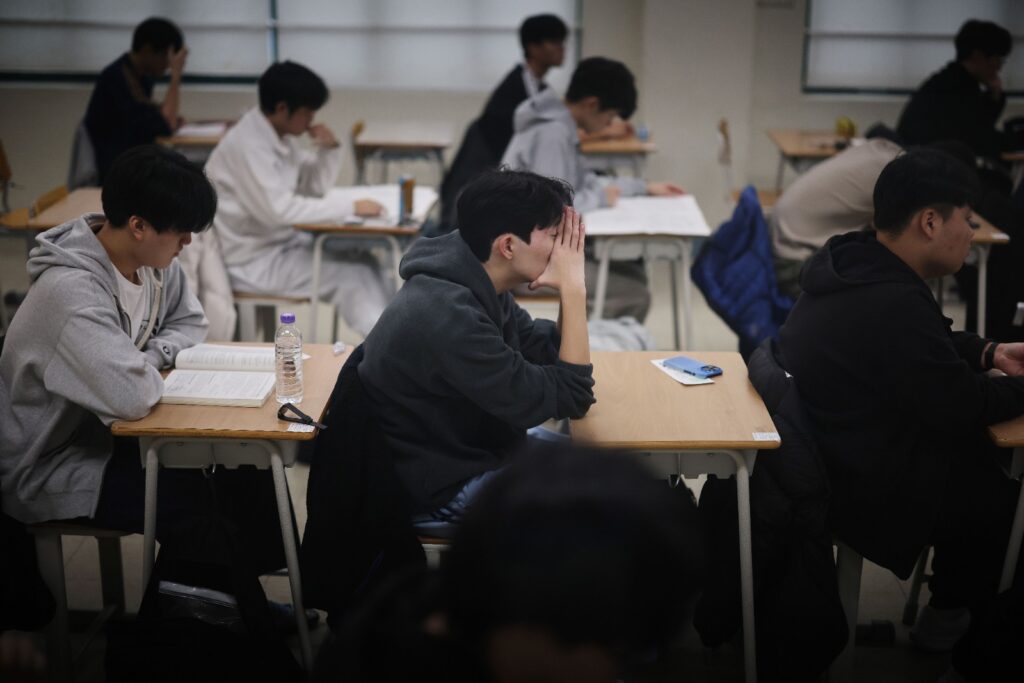
On Suneung day, Korea’s planes stop flying. The 2026 fraud scandal shows why the stakes run this deep

For about 30 minutes every November, planes across South Korea stay grounded. Not because of weather. Because students sitting the 수능 (Suneung, the national college entrance exam) are reaching the English listening section, and the country decides a passing jet engine is too much noise to risk.
That one detail tells you almost everything. A nation reorganizes its airspace, its traffic lights, its office hours, all for a single test. And in 2026, a tragedy has forced people to ask out loud what that pressure actually costs.
What just happened
The shocking death of a Suneung fraud suspect in Seoul has reignited a global conversation about the extreme psychological pressure surrounding Korea’s most important exam. The details are still painful and raw, but the reaction says a lot. People weren’t only talking about the alleged cheating. They were talking about a system where the exam feels so total, so final, that the fallout around it can turn deadly.
Cheating scandals aren’t new anywhere. What’s different here is the intensity. When a test carries this much weight, the temptation to game it, and the shame of getting caught, scale up to match. The 2026 case became a mirror. A lot of Koreans looked into it and didn’t like what the pressure had become.
Why one exam matters this much
In many countries, your university admission comes from a blend of grades, essays, interviews and activities. In Korea, the Suneung still looms over all of it. For a huge share of students, your score shapes which universities will even look at you, and in a society where a handful of top schools (the so-called SKY universities: 서울대, 고려대, 연세대) dominate hiring and networks, that score can echo for decades.
So the exam stops being a test of knowledge. It becomes a verdict on your future. Students call the intensity 입시 지옥 (ipsi jiok), literally “entrance exam hell,” and they don’t mean it lightly. Many spend their late teens in 학원 (hagwon, private cram academies) until 10 or 11 at night, then study more at home.
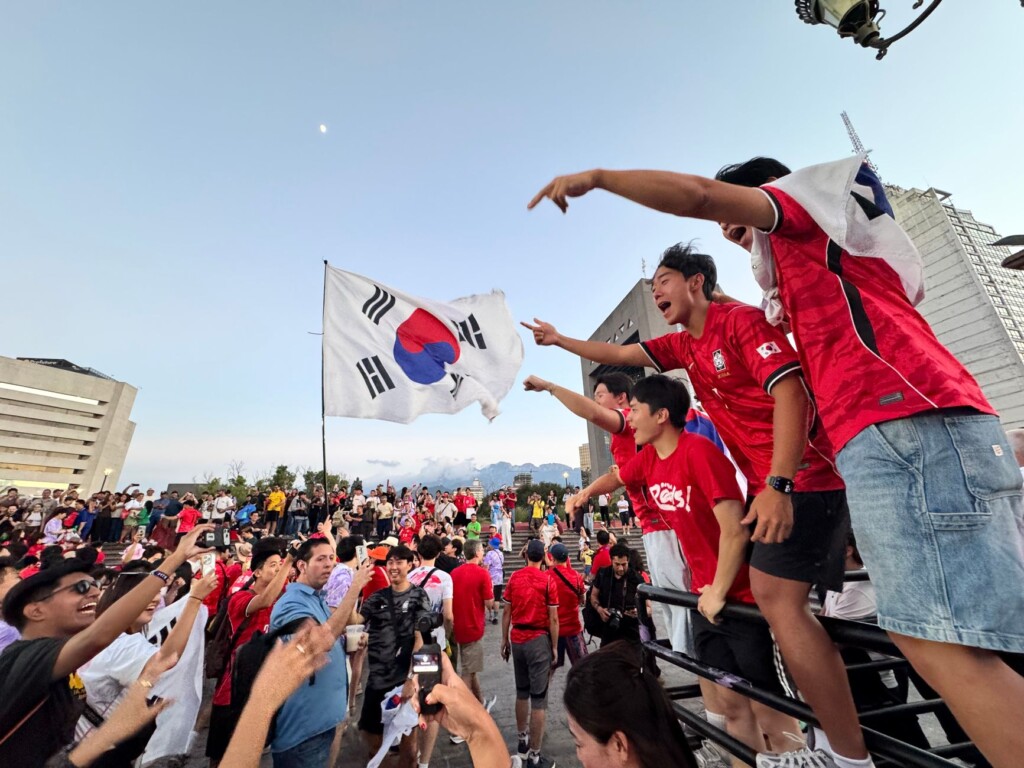
The rituals around exam day
The pressure is real, but so is the care around it. Suneung morning in Korea is genuinely moving to witness.
- Police escorts. Officers ferry late or stranded students to test centers on motorbikes. Running behind on Suneung day is treated like an emergency, because for that student it is one.
- Younger students cheering. High school juniors gather outside exam gates at dawn, bowing, shouting encouragement, handing out hot drinks to the seniors walking in.
- Lucky foods. Families give 엿 (yeot, a sticky taffy) and 찹쌀떡 (chapssaltteok, glutinous rice cakes) because the word for “stick” also means “to pass.” You don’t give someone 미역국 (miyeokguk, seaweed soup) that day, since it’s slippery and you might “slip” the exam.
- Parents at temples and churches. For weeks beforehand, mothers and fathers pray through 100-day vows for their kids. The sacrifice is a family project, not a solo one.
The family weight nobody sees on test day
Here’s the part international learners often miss. The student isn’t carrying this alone, and that’s both beautiful and brutal. Parents reshape their careers and budgets around 사교육 (sagyoyuk, private education). A good score can feel like repaying years of a mother’s packed lunches and a father’s overtime.
That love is real. But love plus a single high-stakes number creates a weight that’s hard to put down. When a kid believes their whole family’s hope rides on one morning, a disappointing result doesn’t feel like a setback. It feels like failing everyone who sacrificed for you. That’s the fuse the 2026 scandal lit back up.
What’s actually changing
It’s not all grim, and the conversation is shifting. More Korean universities now weigh 수시 (susi), an admissions track based on school records, portfolios and interviews rather than one exam score. Mental health hotlines ramp up around test season. Young Koreans online are openly pushing back on the idea that one test should define a life, and plenty of successful people now talk loudly about building careers outside the SKY path.
The grounded planes probably aren’t going anywhere soon. But the culture around them is loosening, slowly, as more people decide that protecting kids matters more than protecting the ritual.
How to hold this as a learner
If you’re studying Korean, the Suneung is a window into something deeper than grammar. It explains why Koreans ask 몇 학번이에요? (myeot hakbeonieyo, “what’s your university entry year?”) as a way of placing you socially. It explains the near-religious respect for 선배 (seonbae, seniors) and the pull of certain schools.
When you talk with Korean friends about school or exams, lead with gentleness. A simple 수고했어 (sugohaesseo, “you worked hard, well done”) lands far better than asking what score someone got. And if the 2026 tragedy teaches learners anything, it’s this: behind every cultural ritual there are real people carrying real weight, and the kindest thing you can do is notice it.
Practice What You Learned
Try these interactive quizzes related to this topic:













Responses