
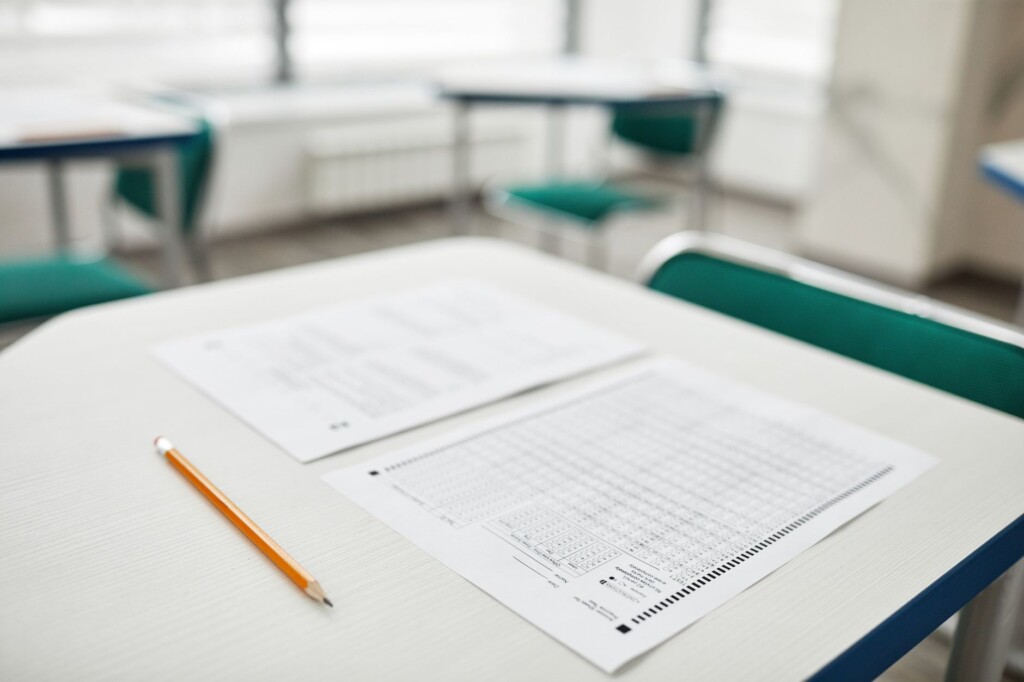
On Suneung day Korea grounds its planes and escorts students by police. Here’s why one exam carries that much weight

Picture a whole country holding its breath for a single morning. Planes don’t take off during the English listening section. Police motorcycles weave through traffic to get a panicked student to the right gate. Parents kneel at temples before dawn, foreheads to the floor. This is Suneung (수능) day, and if you’ve never seen it, it looks less like a test and more like a national ceremony.
The full name is 대학수학능력시험 (daehak suhak neungnyeok siheom), the College Scholastic Ability Test. It happens once a year, usually on a Thursday in mid-November, and it’s the gatekeeper to Korean universities. For a lot of 18-year-olds, this is the day they’ve been pointing at since they were small.
What actually shuts down
The disruptions aren’t exaggerations people tell foreigners. They’re real, scheduled and official.
- Flights are grounded or rerouted. During the roughly 35-minute English listening portion, usually in the early afternoon, takeoffs and landings are halted and aircraft are kept at higher altitudes to cut noise near test sites.
- The workday moves. Banks, government offices and many companies open an hour late (often 10 a.m. instead of 9) so the roads clear for students heading to exam halls.
- Police become a taxi service. If you oversleep or get stuck, you call the police, and officers really will escort you, sirens on, to make the bell. Every year the news shows a kid hopping off the back of a patrol bike with seconds to spare.
- Public transport ramps up. Extra subway trains and buses run during the morning rush, specifically to stop test-takers from being late.
Construction near test centres pauses. Even the stock market opens late. For one day, the whole clock of the country bends around a group of teenagers.
The scenes outside the gates
The part that surprises first-time visitors most is the noise outside the school. Younger students, teachers and family members gather at dawn to cheer the test-takers in. There’s shouting, drumming, banners and hugs. It feels like the start of a marathon, which in a way it is.
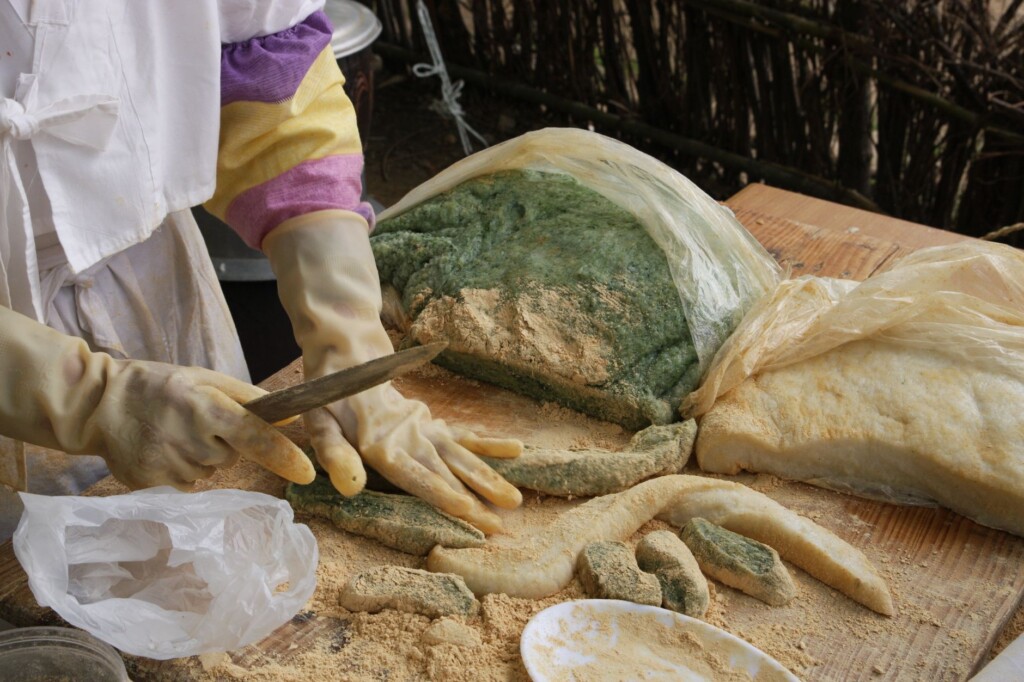
Then there are the superstitions, and people lean into them. You give a 엿 (yeot), a sticky taffy, or 찹쌀떡 (chapssaltteok), sticky rice cake, because the Korean verb for passing an exam, 붙다 (butda), also means ‘to stick’. The idea is that the answers will stick in your head. What you absolutely do not give is 미역국 (miyeokguk), seaweed soup, because that broth is slippery and the word for slipping is the same word used for failing.
Meanwhile the temples and churches fill up. Parents, usually mothers, go through the whole 100-day countdown doing dawn prayers, bowing hundreds of times a day. Some fast. Some bring a piece of their child’s clothing. The devotion is genuine, and it’s heavy.
Why one exam carries all of this
Here’s the uncomfortable truth underneath the spectacle. For generations, Korean families have seen education as the cleanest route out of a hard life into a secure one. After the Korean War, the country had almost nothing. What it built its recovery on was schooling, and the belief took root that if you studied hard enough, you could lift your whole family.
That belief is baked into a single word you’ll hear constantly: 교육열 (gyoyungyeol), literally ‘education fever’. It’s the shared conviction that academic success equals a good job, a good marriage and respect. Suneung is where that fever comes to a point, because a strong score can open the doors to the top universities, and in Korea the name of your university can follow you into job interviews decades later.
So the exam isn’t only about the student. It carries the money parents spent on 학원 (hagwon), the private cram schools kids attend until late at night. It carries years of early mornings and skipped weekends. When the country grounds its planes, it’s acknowledging that weight out loud.
How to talk about it with Korean friends
If you’re learning Korean and want to connect over this, a few phrases go a long way in November:
- 수능 봤어요? (suneung bwasseoyo?) means ‘Did you take the Suneung?’ A warm way to ask an older friend about their experience.
- 시험 잘 보세요! (siheom jal boseyo!) means ‘Do well on your test!’ The go-to thing to say the day before.
- 화이팅! (hwaiting!) is the all-purpose ‘You’ve got this!’ cheer you’ll hear shouted outside every gate.
And it’s worth knowing the mood has been shifting. Plenty of Koreans now question whether one day should decide so much, and more students take alternative admission tracks or retake the exam as 재수생 (jaesusaeng), repeat test-takers, without the old shame attached. The pressure is real, but so is the pushback against it.
If you’re in Korea this November, don’t schedule anything important before 10 a.m. on Suneung day. Buy a box of yeot. And if you pass a school gate at dawn and hear the drums, stand there a minute. You’re watching a whole country wish its kids luck at the same time.
Practice What You Learned
Try these interactive quizzes related to this topic:









Responses