

Improve Real-Life Korean for Daily Life: Without Memorizing Too Much

You’ve been studying Korean for months—maybe even years. You can recognize 한글 (hangeul) when you see it, and you’ve memorized countless vocabulary lists. But when you try to actually speak in real situations? Your mind goes blank. Sound familiar? You’re not alone, and here’s the good news: you don’t need to memorize thousands of words to start having real Korean conversations today.
The secret to fluency isn’t cramming more grammar rules or vocabulary into your brain—it’s about building smart, practical routines that focus on what you’ll actually use in daily life. Let’s dive into how you can learn Korean speaking skills that stick, without the overwhelming memorization most textbooks demand.
Why Traditional Korean Study Methods Feel Like Running on a Treadmill
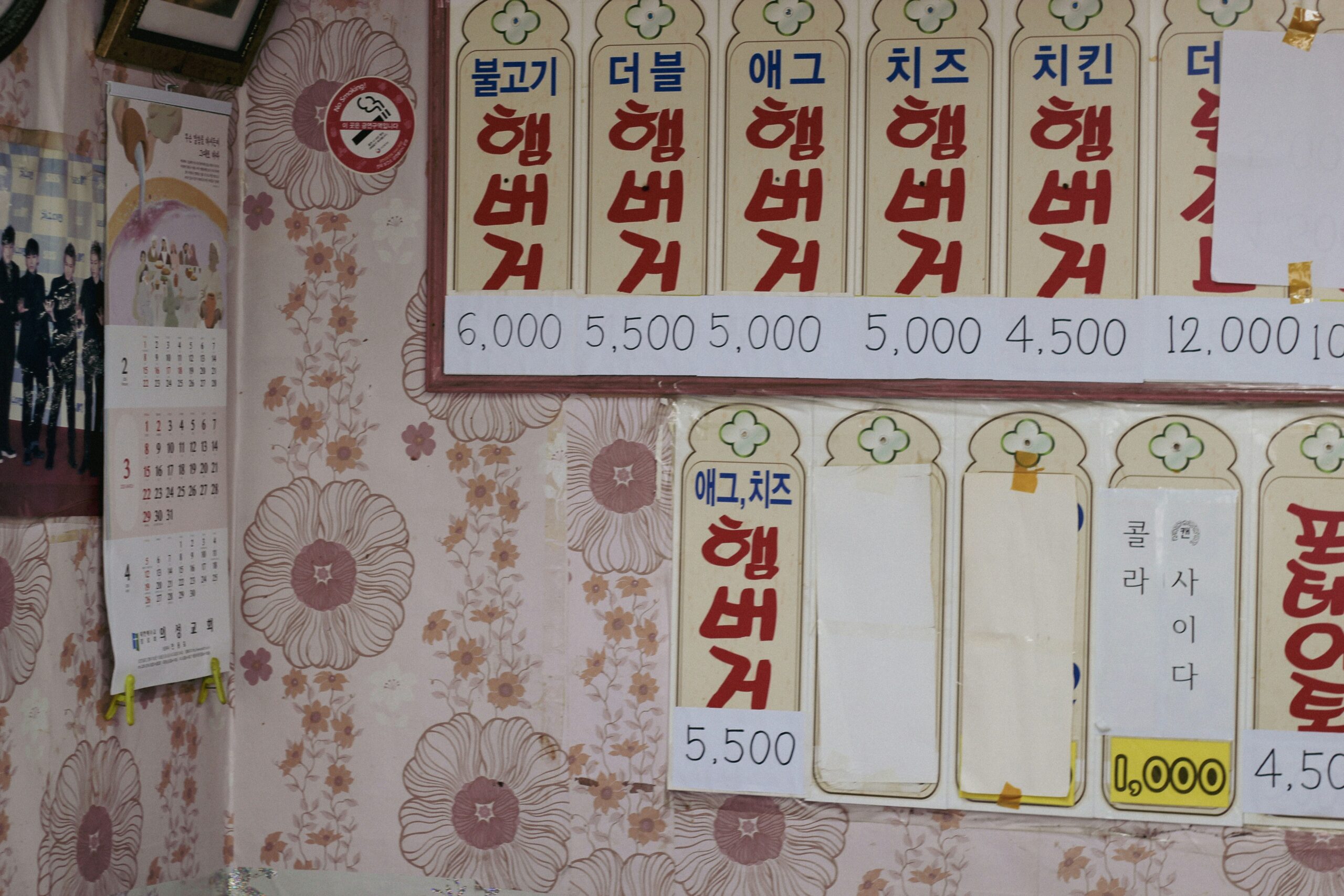
Here’s the brutal truth: most Korean learners spend 80% of their time on activities that contribute to only 20% of their speaking ability. They’re stuck in what I call the “study loop”—endlessly reviewing flashcards, completing workbook exercises, and watching Korean dramas with subtitles, all while wondering why they still freeze up when a Korean person asks them a simple question.
The problem isn’t your dedication or intelligence. It’s that passive learning doesn’t translate to active speaking. You can recognize 감사합니다 (gamsahamnida) – thank you when you hear it, but your brain hasn’t practiced the motor pathway of actually saying it in context.
Think about it: when was the last time you needed to fill in a grammar worksheet in real life? Never. But when was the last time you needed to quickly respond to “뭐 드실래요?” (mwo deusillaeyo?) – What would you like to eat? Probably every time you went to a Korean restaurant.
This disconnect is why your daily Korean practice needs to look completely different from traditional study. Instead of memorizing lists, you need to build conversational reflexes—automatic responses that come naturally when you need them.
The 3-Tier System: Focus on What Actually Matters

Imagine your Korean vocabulary as a pyramid. At the bottom, you have survival phrases—the 50-100 expressions that get you through 80% of daily situations. In the middle, you have comfort phrases—another 100-200 expressions that make conversations flow naturally. At the top, you have specialized vocabulary—words specific to your interests or profession.
Most learners make the mistake of trying to build all three levels simultaneously. Instead, master each tier before moving up. Here’s what that looks like in practice:
Tier 1: Survival Phrases (Master These First)
- 얼마예요? (eolmayeyo?) – How much is it?
- 이거 주세요 (igeo juseyo) – Please give me this
- 화장실 어디예요? (hwajangsil eodiyeyo?) – Where is the bathroom?
- 잘 모르겠어요 (jal moreugesseoyo) – I don’t really know
- 천천히 말씀해 주세요 (cheoncheonhi malsseum hae juseyo) – Please speak slowly
These aren’t glamorous, but they’re functional. Practice these until they’re automatic—not just memorized, but deeply ingrained through repetition in realistic scenarios.
Tier 2: Comfort Phrases (Your Personality Emerges)
- 그렇구나 (geureokuna) – I see / Oh, really
- 어떻게 지내세요? (eotteoke jinaeseyo?) – How are you?
- 맛있어요! (masisseoyo!) – It’s delicious!
- 다음에 또 봐요 (daeume tto bwayo) – See you next time
Tier 3: Specialized Vocabulary (Your Unique Interests)
This is where you customize based on your life. Love cooking? Learn kitchen vocabulary. Work in tech? Focus on business Korean. The key is that you don’t touch Tier 3 until Tiers 1 and 2 are solid.
Building a Korean Study Routine That Actually Builds Speaking Skills
Forget the two-hour weekend study sessions. The fastest progress comes from strategic, consistent micro-practices that fit into your existing daily life. Here’s a proven korean study routine that takes less than 30 minutes per day but delivers exponential results:
Morning (5 minutes): Shadow Speaking
While making coffee or getting ready, play a short Korean dialogue at natural speed. Don’t worry about understanding every word—just mimic the sounds, rhythm, and intonation. This trains your mouth muscles and accent before your brain is fully awake and self-conscious.
Commute (10 minutes): Scenario Rehearsal
Think about where you’ll be today. Going to a café? Mentally rehearse: “아메리카노 한 잔 주세요 (amerikano han jan juseyo) – One Americano, please.” Meeting a friend? Practice: “오랜만이야! (oraenmaniya!) – Long time no see!” This contextual preparation makes vocabulary stick because it’s tied to real intentions.
Lunch Break (5 minutes): Voice Message Practice
Record yourself saying today’s target phrases. Don’t just read them—use them in complete thoughts. “I went to the café and said ‘아메리카노 한 잔 주세요’ and the barista understood me!” Speaking out loud, even to yourself, activates different neural pathways than silent reading.
Evening (10 minutes): Real Conversation (Even Simulated)
This is where tools like uBitto’s AI conversation practice become game-changers. Unlike static textbooks, conversational AI responds to what you actually say, forcing you to think on your feet—just like a real conversation. You can practice ordering food, asking for directions, or chatting about your day without the pressure of a live audience.
The “Situation-First” Approach to Learning Korean Speaking

Here’s a radical idea: stop learning Korean by topic (colors, numbers, food) and start learning by situation. Your brain doesn’t categorize language by vocabulary lists—it organizes by context and need.
Let’s take a common scenario: Ordering at a Korean restaurant
Instead of memorizing “rice = 밥 (bap), water = 물 (mul), spoon = 숟가락 (sutgarak),” learn the entire interaction flow:
- Entering: “몇 분이세요?” (myeot buniseyo?) – How many people? → “두 명이요” (du myeongiyeo) – Two people
- Ordering: “주문하시겠어요?” (jumunhasigesseoyo?) – Are you ready to order? → “불고기 이 인분 주세요” (bulgogi i inbun juseyo) – Two servings of bulgogi, please
- During meal: “물 좀 주세요” (mul jom juseyo) – Water, please
- Finishing: “잘 먹었습니다” (jal meogeotseumnida) – Thank you for the meal (literally: I ate well)
- Paying: “계산할게요” (gyesanhalgeyo) – I’ll pay now
Now you haven’t just learned words—you’ve learned a script you can actually use. And scripts are modular. Once you know how to order bulgogi, you can swap in 김치찌개 (kimchijjigae) – kimchi stew or 비빔밥 (bibimbap) – mixed rice.
This situational approach is why structured Korean programs that focus on real-life scenarios accelerate your progress so dramatically. You’re not just accumulating knowledge—you’re building usable skills.
Cultural Context: The Secret Ingredient to Natural Korean
Here’s something textbooks rarely teach: the same Korean words can sound completely different depending on how you say them. Korean communication relies heavily on context, relationship dynamics, and non-verbal cues.
For example, 네 (ne) – yes, seems simple enough. But in actual conversation:
- 네 (short and crisp) = Yes (neutral)
- 네~ (drawn out) = Yes, I’m listening / I acknowledge you
- 네! (enthusiastic) = Yes! / Absolutely!
- 네… (hesitant) = Well, yes, but… (implies reservation)
This is why daily Korean practice needs to include exposure to real Korean speakers in natural contexts—not just actors in language videos. Listen to how shopkeepers greet customers, how friends tease each other, how colleagues show respect.
Another critical cultural element: 반말 (banmal) – informal speech versus 존댓말 (jondaenmal) – formal/polite speech. Until you’re explicitly told otherwise, always use the polite form. It’s better to sound overly respectful than accidentally rude. As you build relationships, Koreans will often say “반말해도 돼요” (banmalhaedo dwaeyo) – You can speak informally, which is your cue to switch.
Fast Progress Routines: The Compound Effect of Small Wins
Want to know the real secret to fast progress? It’s not intensity—it’s consistency multiplied by immediate application. Every phrase you learn should be used within 24 hours, even if just with yourself.
Try this 30-Day Speaking Challenge:
- Week 1: Master 5 survival phrases. Use each one at least once per day (even if just rehearsing scenarios).
- Week 2: Add 5 comfort phrases. Combine them with Week 1 phrases to create mini-conversations.
- Week 3: Focus on one situation (café, grocery store, meeting friends). Learn the complete interaction script.
- Week 4: Record yourself having a 2-minute conversation about your day using only what you’ve learned. Watch your own progress.
The technology available today makes this easier than ever. Platforms like uBitto use AI to create responsive speaking practice that adapts to your level, giving you the repetition you need without the awkwardness of constantly bothering language exchange partners.
For educators looking to implement these strategies, AI-powered teaching tools can help track student speaking practice and provide personalized feedback at scale—something impossible with traditional methods.
Frequently Asked Questions
How long does it take to have basic Korean conversations?
With focused, situation-based practice, you can handle basic daily interactions in 3-4 months. The key is prioritizing speaking practice over passive study. Most learners waste time on breadth (learning many words) when they should focus on depth (using fewer phrases confidently and automatically).
Do I need to memorize grammar rules before speaking Korean?
No! While grammar understanding helps eventually, starting with complete phrases and scripts is more effective for beginners. You’ll naturally internalize grammar patterns through repeated use. Children learn to speak before they learn to explain why sentences work—you can too.
What if I’m too shy to practice speaking out loud?
Start with solo practice—talk to yourself in Korean, narrate your actions, or use AI conversation tools where there’s zero judgment. As your confidence builds through private practice, speaking with real people becomes exponentially easier. Remember: every fluent speaker was once exactly where you are now.
How can I practice Korean speaking without living in Korea?
Technology has eliminated this barrier. Combine AI conversation practice, voice recording exercises, and virtual language exchanges. Focus on simulating real situations in your daily life—narrate your cooking in Korean, practice ordering from Korean restaurant menus online, or describe your surroundings as if giving a tour. Quality practice matters more than location.
Should I focus on formal or informal Korean first?
Always start with formal/polite Korean (존댓말). It’s appropriate in all situations until told otherwise, while informal speech (반말) can be offensive if used prematurely. As you build relationships, native speakers will invite you to switch to informal speech. This approach keeps you socially safe while you learn.
What’s the biggest mistake Korean learners make?
Confusing “studying Korean” with “learning to speak Korean.” These are different skills. You can study for years and still struggle in basic conversations if you never practice actually speaking. Shift at least 50% of your learning time to active speaking practice—even if it’s just talking to yourself or AI—and you’ll see dramatically faster results.
Your Korean Speaking Journey Starts Now
The difference between learners who eventually speak fluently and those who stay stuck in textbooks forever comes down to one thing: they started speaking from day one, even imperfectly.
You don’t need to memorize every grammar rule or master perfect pronunciation before you begin. You need to start building conversational reflexes with the phrases you’ll actually use, practice them in realistic scenarios, and gradually expand your comfort zone.
Remember: every Korean speaker you admire—whether a K-pop idol handling English interviews or a multilingual businessperson—started with the same basic phrases you’re learning now. The only difference is they kept speaking, kept practicing, and kept pushing through the awkward stage.
Your Korean speaking ability is like a muscle. It doesn’t grow from reading about exercise—it grows from consistent, strategic practice. Start small, stay consistent, and watch how quickly your confidence and capability expand.
Ready to transform your Korean from passive knowledge to active speaking skills? Explore structured programs designed for real-life practice that focus on what you’ll actually use, not what textbooks think you should memorize. The fastest path to fluency isn’t through more study—it’s through smarter practice. Start your speaking journey today.
Practice What You Learned
Try these interactive quizzes related to this topic:











Responses