
Koreans switch their entire skincare routine every season — here’s the autumn shift

If you scroll through Korean beauty forums in early September, you’ll notice a very specific kind of panic — not about work or exams, but about skin. As the humid summer air (습기, seupgi, “humidity”) finally breaks, Koreans begin one of the country’s quietest but most consistent rituals: the seasonal skincare switch. And no, it isn’t marketing hype. It’s a genuine cultural rhythm, one tied to a deeper philosophy about living in harmony with the seasons.
Why Koreans treat skincare like a seasonal wardrobe
Korean skincare culture is built on a simple, almost intuitive idea: your skin lives in the same climate you do, so it should change as the weather changes. Just as you’d never wear a summer linen shirt in a Seoul November, you wouldn’t keep using your lightweight summer gel moisturizer once the air turns dry and crisp.
This thinking has roots in 사계절 (sagyejeol, “the four seasons”), a concept Koreans grow up deeply aware of because the country’s climate genuinely swings hard between them. Summers are hot and sticky; winters are bone-dry and freezing. Skincare, then, isn’t a fixed set of products — it’s a responsive system that shifts four times a year.
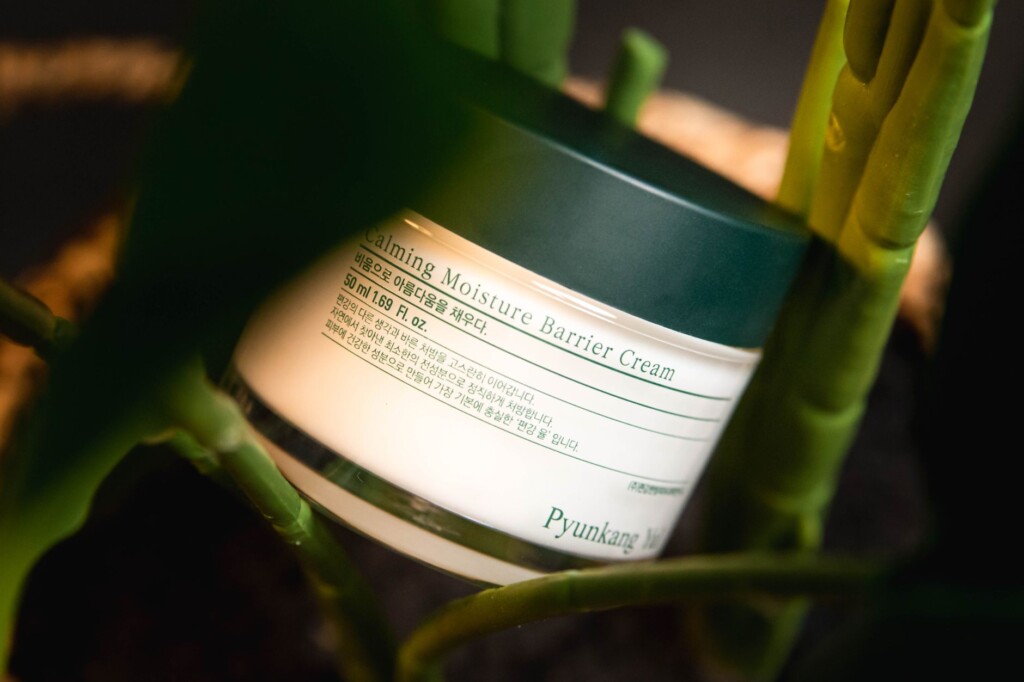
September is the big one. When humidity drops and the first cool mornings arrive, it triggers what feels like a national reset. Summer’s oil-controlling toners, mattifying essences, and featherlight lotions get retired. In come the richer, more nourishing, barrier-focused formulas designed to hold moisture in as the environment starts pulling it out.
Meet ‘skin cycling,’ the Korean way
You may have heard “skin cycling” trending on Western beauty apps — the idea of rotating actives across the week. Koreans have practiced a broader, seasonal version of this logic for years. Instead of just cycling within a week, the Korean approach cycles across the year, adjusting the entire routine’s intensity and texture to match the season.
The autumn phase of this cycle has one clear goal: rebuild and protect the skin barrier after summer stress. Sun, sweat, air conditioning, and heavy cleansing all leave late-summer skin a little compromised. Autumn skincare is about repair — think of it as tucking your skin into a warmer blanket before winter hits.
The autumn shift, product by product
Here’s how a typical Korean routine transforms from summer to autumn. Notice the pattern: everything gets a little gentler, a little richer, and a little more focused on hydration.
- Cleanser: Swap foaming, oil-stripping summer cleansers for a low-pH gel or a creamy cleanser. The Korean term to look for is 약산성 (yaksanseong, “mildly acidic”) — it keeps your barrier intact.
- Toner: Retire the astringent, pore-tightening toners of summer. Autumn calls for a hydrating 토너 (toner) — often layered in the famous “7-skin method,” pressing in several thin layers of watery toner.
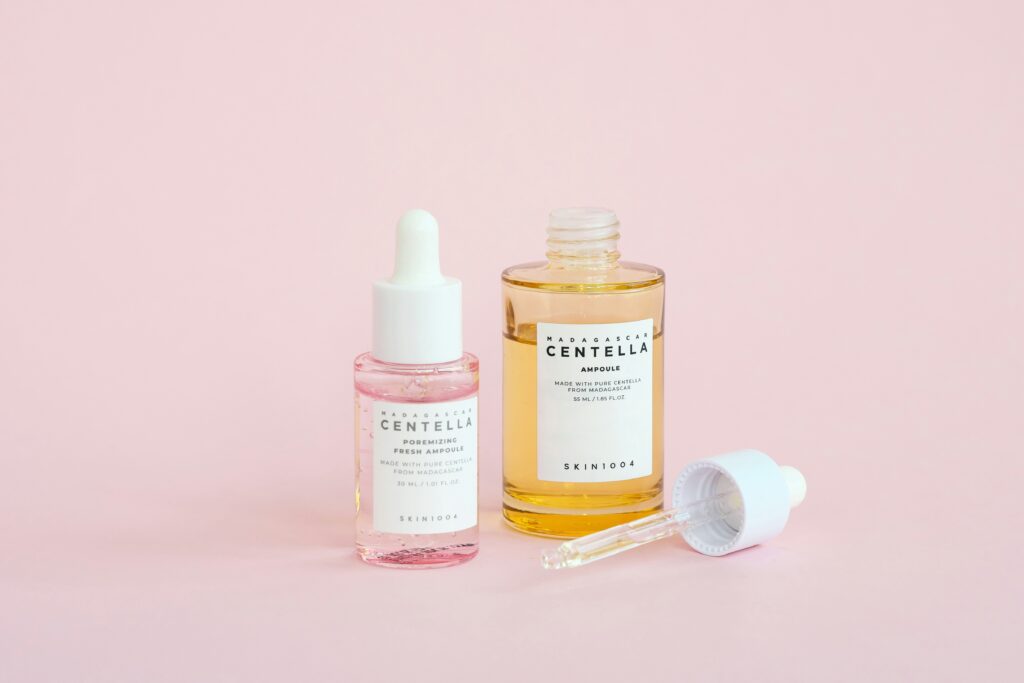
- Essence & serum: Bring in humectant heroes. Look for hyaluronic acid, panthenol, and ceramides — the last one is the star of Korean autumn skincare because it reinforces the barrier directly.
- Moisturizer: This is the biggest change. Light gels are out; a richer cream or a “cream + facial oil” combo is in.
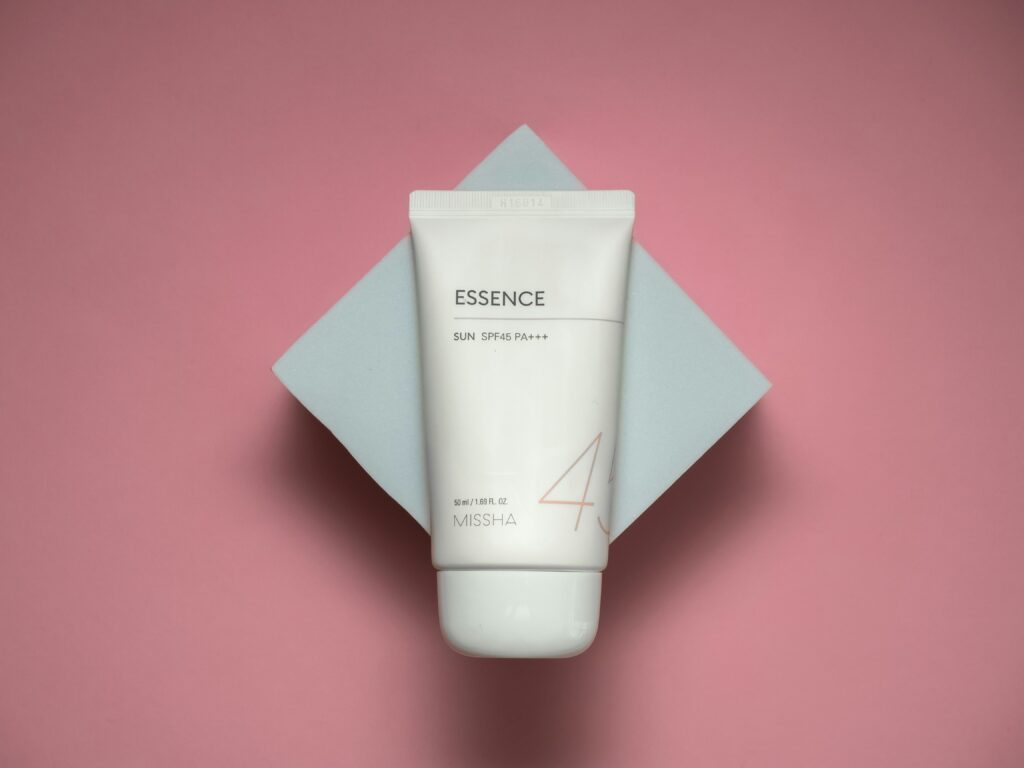
- Sunscreen: Never retired. Koreans wear 선크림 (seonkeurim, “sunscreen”) year-round, rain or shine.
A simple autumn routine to try tonight
You don’t need 12 steps. Here’s a beginner-friendly version of the Korean autumn approach:
- Morning: Gentle low-pH cleanse → hydrating toner (2–3 layers) → ceramide serum → rich moisturizer → generous sunscreen.
- Evening: Oil cleanse to remove sunscreen → gentle water-based cleanse → hydrating toner → repairing serum → richer night cream (add a few drops of facial oil on very dry days).
The mindset shift matters more than the products
Here’s the part that’s easy to miss: the real lesson from Korean seasonal skincare isn’t which cream to buy. It’s the habit of paying attention. Koreans check the weather, notice when their skin feels tight, and respond before problems appear. That’s the whole philosophy — skincare as an ongoing conversation with your environment, not a one-and-done purchase.
There’s even a comforting word for the feeling of a well-cared-for face: 촉촉 (chokchok), that plump, dewy, freshly-hydrated quality Koreans genuinely aim for. Achieving chokchok skin in autumn is a small, satisfying seasonal goal.
So as the humidity drops wherever you are, take a page from Korea’s playbook. Reach for something richer, layer in some ceramides, and treat the season change as a reminder to check in with your skin. Your barrier — and your future winter self — will thank you.
Practice What You Learned
Try these interactive quizzes related to this topic:






Responses