
The Korean Holiday That Marks the End of 35 Years of Silence

Every August 15, South Korea pauses to remember one of the most defining moments in its modern history. On this day in 1945, Korea was liberated from 35 years of Japanese colonial rule. Koreans call it 광복절 (Gwangbokjeol, Liberation Day) — literally, “the day the light returned.”
For international learners of Korean, understanding 광복절 is about far more than memorizing a date. It opens a window into the values, emotions, and national identity that shape how Koreans see themselves today.
What Does 광복절 Actually Mean?
The word itself is beautifully constructed. Let’s break it down:
- 광 (gwang, light)
- 복 (bok, to restore or return)
- 절 (jeol, holiday or festive day)
Put together, 광복 (gwangbok) means “the restoration of light” — a poetic way of describing the return of national sovereignty. So 광복절 is “the festival of restored light.” It’s one of Korea’s five national holidays and is written on calendars as a red day, meaning it’s a public holiday when most people don’t work.
The date carries a double significance. August 15, 1945 marked liberation from Japan. Exactly three years later, on August 15, 1948, the government of the Republic of Korea was officially founded. In this sense, 광복절 celebrates both freedom and the birth of the modern Korean state.
Why This Day Still Matters
You might wonder why a day from 1945 remains so emotionally powerful nearly 80 years later. The answer lies in what was nearly lost during the colonial period.
Under Japanese rule, Koreans were pressured to abandon their language, adopt Japanese names, and worship at Japanese shrines. The Korean language itself — the very thing you are studying — was suppressed in schools and public life. When you learn Hangul today, you are engaging with something previous generations fought to preserve.
Here are a few key terms that appear often around 광복절:
- 독립 (dongnip, independence) — the goal of the resistance movement
- 해방 (haebang, liberation) — freedom from oppression
- 애국 (aeguk, patriotism / love of country)
- 순국선열 (sungukseonyeol, patriotic martyrs) — those who died for independence
- 태극기 (taegeukgi, the Korean national flag)
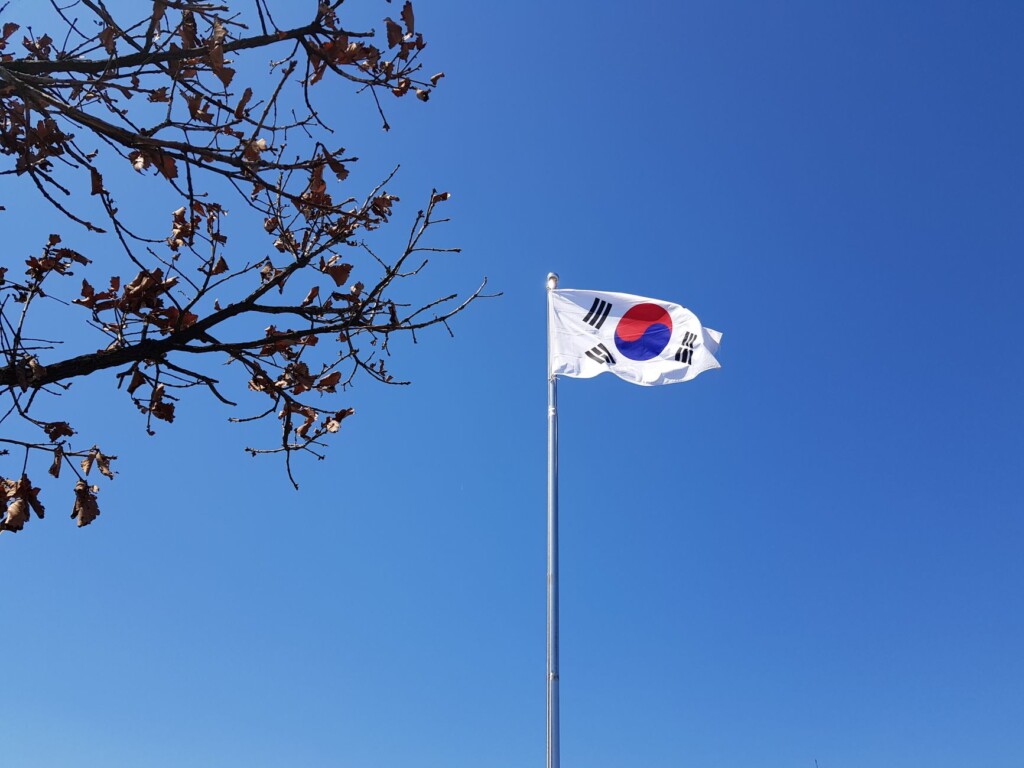
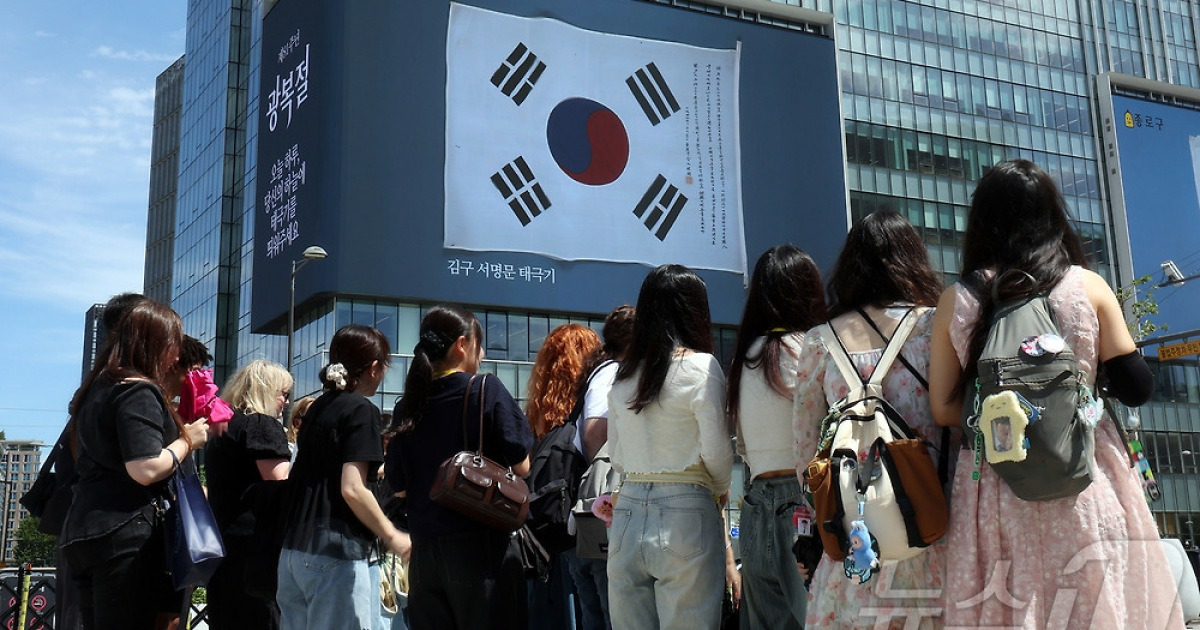
On this day, you’ll see the 태극기 hung outside homes, apartments, and shops across the country. There’s even a phrase for this: 국기 게양 (gukgi geyang, flag hoisting). Displaying the flag is a quiet, personal act of remembrance that ordinary citizens perform.
How Koreans Observe 광복절
The day is marked by an official government ceremony, often attended by the president, where speeches honor the independence activists. National broadcasts revisit historical footage and stories of resistance fighters. Many families visit memorials or take part in community events.
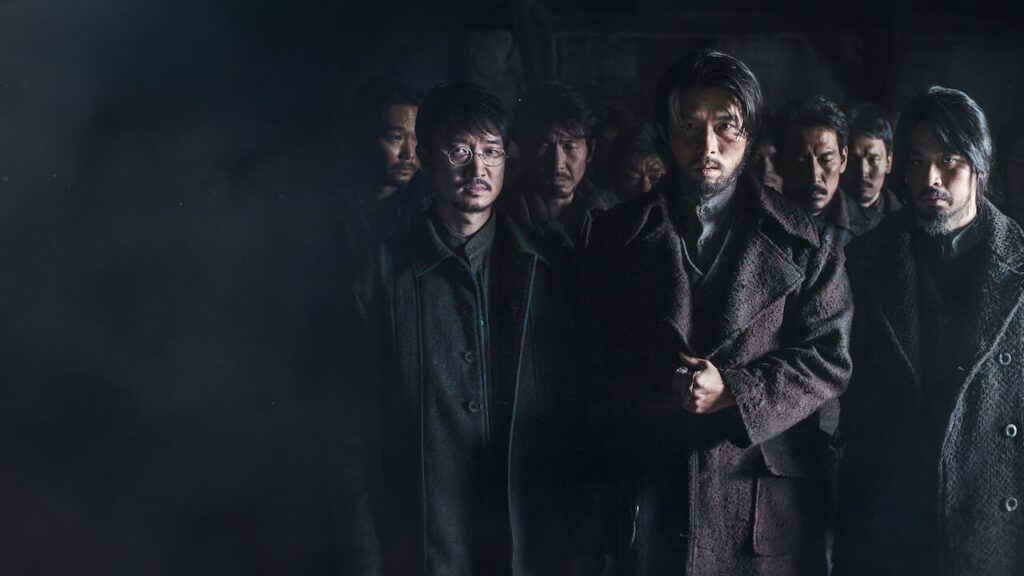
A phrase you may hear during commemorations is 대한 독립 만세 (Daehan dongnip manse, “Long live Korean independence!”). This was the rallying cry of the 삼일운동 (Samil Undong, the March 1st Independence Movement of 1919), a pivotal moment when Koreans across the country peacefully demonstrated against colonial rule. Learning this expression connects you directly to the emotional core of the day.
A Complicated Legacy and the Road Ahead
광복절 is not only a celebration — it also invites reflection. Historical tensions between Korea and Japan over issues like wartime forced labor and the so-called “comfort women” remain unresolved and continue to surface in diplomacy and public debate. Every year, political leaders’ words on this day are closely watched for how they address reconciliation versus remembrance.
There is also an internal conversation in Korea about how to interpret its own history — how to honor those who resisted while building a forward-looking, confident nation. For many younger Koreans, 광복절 is evolving from a day of pure solemnity into a broader reflection on identity, peace, and Korea’s role in the world.
Looking ahead, the challenge for Korea is to hold two truths at once: to never forget the sacrifices that restored its sovereignty, and to move forward as a modern, globally connected democracy. The rise of Korean culture worldwide — the very reason many of you are learning this language — is itself a kind of continuation of that restored “light.” A country that was once forbidden from using its own language now watches the world eagerly study it.
A Takeaway for Language Learners
Understanding holidays like 광복절 makes your Korean feel alive rather than academic. Words like 독립 (dongnip) and 해방 (haebang) aren’t just vocabulary — they carry the weight of a nation’s memory.
Here’s a practical tip: try using the polite phrase 오늘은 광복절이에요 (Oneureun Gwangbokjeorieyo, “Today is Liberation Day”) in conversation with a Korean friend. It signals cultural awareness and often opens the door to meaningful discussion. You might also learn 역사 (yeoksa, history) and 기념하다 (ginyeomhada, to commemorate) to talk about the day naturally.
Every time you write in Hangul, you honor a language that was once fought for. That’s what makes learning Korean more than a hobby — it’s participation in a story of resilience that 광복절 celebrates every single year.
Practice What You Learned
Try these interactive quizzes related to this topic:












Responses