
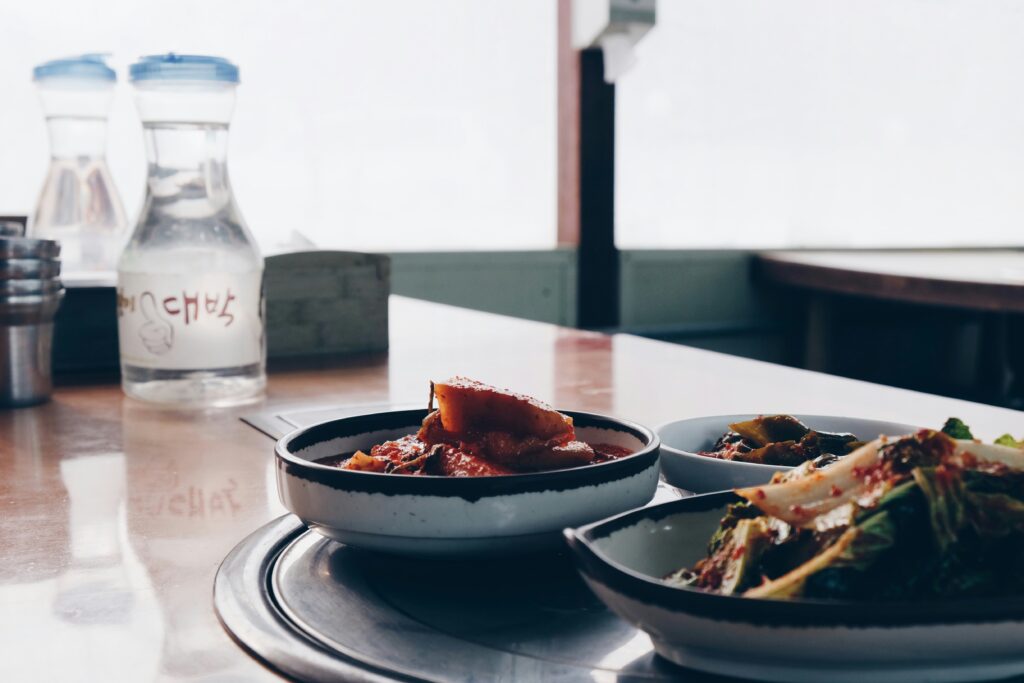
Fun Korean Expressions Singles Use on Black Day and Everyday Life

Picture this: April 14th rolls around, and all over Korea, single friends are gathering at Chinese restaurants, dressed in black, ready to drown their sorrows in bowls of **짜장면** (jjajangmyeon) – black bean noodles. Welcome to Black Day, the uniquely Korean “holiday” where singles who didn’t receive gifts on Valentine’s Day or White Day get together to commiserate about their relationship status. But here’s the thing – Black Day isn’t just about eating noodles and feeling blue. It’s actually a goldmine for learning authentic Korean slang phrases that singles use not just on this day, but in everyday conversations about dating, relationships, and life.
If you’ve been studying Korean but feel lost when your Korean friends start joking about their love lives, this is your chance to bridge that gap. Today, we’re diving deep into the real Korean expressions that singles throw around on Black Day and beyond – the kind of natural Korean usage you won’t find in textbooks but hear constantly in real conversations.
Why Black Day Korean Hits Different: The Cultural Context Behind the Slang
Before we jump into the expressions, let’s understand why Black Day exists and why the language around it is so unique. Korea has commercialized romance like no other country – with Valentine’s Day (when women give men chocolate), White Day (when men return the favor), and finally Black Day on April 14th for everyone who got left out of the romance equation.
This cultural context created a whole vocabulary around being single, and Koreans – especially younger generations – have turned what could be a depressing day into an opportunity for humor and solidarity. The korean slang phrases that emerged from this culture are self-deprecating, witty, and incredibly useful for understanding how Koreans really talk about relationships.
Here’s the real problem learners face: textbooks teach you **사랑해요** (saranghaeyo) – “I love you” – but they don’t teach you what actual Korean singles say when they’re swiping through dating apps or explaining why they’re still single at family gatherings. That gap between classroom Korean and real-life Korean? That’s exactly what we’re closing today.
Essential Single Life Vocabulary: Korean Slang Phrases You’ll Actually Hear
Let’s start with the foundation – the everyday terms singles use to describe their relationship status and experiences:
솔로** (sollo) – single
This is borrowed from English “solo” but it’s the most common way young Koreans refer to being single. You’ll hear this constantly: **나 아직 솔로야** (na ajik solloya) – “I’m still single.”
모솔** (mosol) – short for **모태솔로** (motae sollo)
Literally means “solo since birth” – someone who has never dated. It’s self-deprecating but said with humor: **나 모솔이라 연애 경험이 없어** (na mosol-ira yeonae gyeongheomi eopseo) – “I’m a ‘forever single,’ so I have no dating experience.”
썸 타다** (sseom tada) – to have a “thing” with someone
This is that ambiguous stage before officially dating. **썸** (sseom) comes from “something,” and **타다** means “to ride.” It perfectly captures that uncertain relationship phase: **우리 지금 썸 타는 중이야** (uri jigeum sseom taneun jungiya) – “We’re in that ‘talking’ stage right now.”
현타** (hyeonta) – short for **현실자각타임** (hyeonsil jageok taim)
“Reality check time” – that moment when reality hits you hard. Singles use this when they suddenly realize they’re alone while everyone else is coupled up: **다들 연애하는 거 보니까 현타 왔어** (dadeul yeonaehaneun geo bonikka hyeonta wasseo) – “Seeing everyone dating gave me a reality check.”
N포세대** (N po sedae) – the generation that gives up on N things
While not exclusively about dating, many young Koreans include romance in the list of things they’ve given up on due to economic pressures: **요즘 연애도 포기한 3포세대야** (yojeum yeonaedo pogihan sampo sedaeya) – “These days we’re the three-giving-up generation, including giving up on dating.”
Black Day Special: Expressions for Commiserating and Coping
On Black Day specifically, you’ll hear these expressions that blend humor with the shared experience of being single:
자장면 먹으러 가자** (jajangmyeon meogeureo gaja) – “Let’s go eat jajangmyeon”
On Black Day, this isn’t just about noodles – it’s code for “Let’s commiserate about being single together.” The context matters: **4월 14일에 자장면 먹으러 갈 사람?** (saweol sipsail-e jajangmyeon meogeureo gal saram?) – “Who wants to eat jajangmyeon on April 14th?” Everyone knows what you’re really asking.
혼밥** (honbap) and **혼술** (honsul)
Eating alone and drinking alone, respectively. These aren’t Black Day specific, but they’re frequently mentioned: **블랙데이니까 혼자 짜장면 먹어야지** (beullaekdeinikka honja jajangmyeon meogeo-yaji) – “Since it’s Black Day, I guess I’ll eat jajangmyeon alone.”
연애세포가 죽었어** (yeonae sepoga jugeosseo) – “My romance cells are dead”
A dramatic but common way to express that you’ve lost interest in dating or feel incapable of romance: **나 연애세포 다 죽어서 연애 못 해** (na yeonae sepo da jugeoseo yeonae mot hae) – “All my romance cells are dead, so I can’t date.”
The beauty of daily korean practice is catching these expressions in context. When you understand not just what they mean but when and how to use them, you’re moving from textbook Korean to natural Korean usage. This is exactly the kind of real-life conversation mastery that separates intermediate learners from advanced speakers.
Beyond Black Day: Korean Slang Phrases for Everyday Dating Talk
These expressions aren’t limited to Black Day – they’re part of regular conversation among Korean friends discussing their love lives:
밀당** (mildang) – push and pull (in dating)
From **밀고 당기기** (milgo danggigi), this refers to the strategic game of showing and withdrawing interest: **그 사람 밀당 너무 심해** (geu saram mildang neomu simhae) – “That person’s push-pull game is too intense.”
어장 관리** (eojang gwalli) – “managing a fish farm”
When someone keeps multiple people interested without committing to anyone. **어장** means fish farm, implying the person is “keeping fish” (potential dates) around: **걔는 어장 관리하는 스타일이야** (gyaeneun eojang gwalli-haneun seutail-iya) – “That person’s the type to string people along.”
취향 저격** (chwihyang jeogyeok) – “hitting your taste exactly”
When someone is exactly your type: **완전 내 취향 저격이야** (wanjeon nae chwihyang jeogyeok-iya) – “They’re exactly my type.”
애인 있어요?** (aein isseoyo?) vs. **사귀는 사람 있어요?** (saguineun saram isseoyo?)
Both mean “Do you have a girlfriend/boyfriend?” but the second is more casual and commonly used among young people. In natural conversation, you’ll more often hear: **지금 사귀는 사람 있어?** (jigeum saguineun saram isseo?)
프리하다** (peuri-hada) – to be free/single
From English “free,” meaning available for dating: **나 지금 프리야** (na jigeum peuriya) – “I’m single right now.”
Here’s where structured learning makes a difference. While picking up these korean slang phrases from dramas or friends is fun, having a system to practice them in context accelerates your progress dramatically. Platforms that focus on real-life Korean usage help you move from recognition to active use – the difference between understanding a phrase when you hear it and confidently using it yourself.
Putting It All Together: Real Conversations, Real Progress
Let’s see how these expressions work in an actual conversation you might have with Korean friends on or around Black Day:
친구 A: 야, 4월 14일에 뭐 해? (Ya, saweol sipsail-e mwo hae?)
“Hey, what are you doing on April 14th?”
친구 B: 블랙데이잖아. 당연히 짜장면 먹으러 가야지. 너도 갈래? (Beullaekdei-jana. Dangyeonhi jajangmyeon meogeureo gayaji. Neodo gallae?)
“It’s Black Day. Obviously going to eat jajangmyeon. Want to come?”
친구 A: 나 요즘 썸 타는 사람 있어서… (Na yojeum sseom taneun saram isseoseo…)
“I’ve got someone I’m talking to these days, so…”
친구 B: 진짜? 나는 아직도 모솔인데. 현타 온다. (Jinjja? Naneun ajikdo mosol-inde. Hyeonta onda.)
“Really? I’m still a forever single. That’s a reality check.”
Notice how natural this sounds? This is the goal of daily korean practice – not memorizing grammar rules, but absorbing the rhythm and flow of real conversation. The more you expose yourself to these authentic exchanges, the more naturally they’ll come to you.
For educators and language programs looking to teach this kind of authentic Korean, AI-powered tools can help create practice scenarios that mirror these real-life conversations, giving students the repetition they need without the awkwardness of making mistakes in actual social situations.
Tips for Mastering Korean Slang and Casual Speech
1. Context is everything: Korean slang phrases change meaning based on tone and situation. **솔로** said cheerfully among friends is different from **솔로** said dejectedly at a family gathering. Pay attention to context clues.
2. Start with observation: Before using slang, listen to how native speakers use it. Notice who says what to whom, and in what situations. Korean has complex social hierarchies, so some slang is fine with friends but inappropriate with seniors.
3. Practice with low stakes: Use structured programs that let you practice conversational Korean before trying it out in real situations. AI conversation partners are perfect for this – they won’t judge if you misuse an expression.
4. Don’t overdo it: Using too much slang makes you sound like you’re trying too hard. Sprinkle these expressions naturally into otherwise standard Korean.
5. Stay current: Korean slang evolves rapidly. **대박** (daebak) was the height of cool a few years ago; now younger Koreans might use **핵인싸** (haek inssa). Keep your ears open for what’s current.
6. Embrace the humor: Many Korean slang phrases about dating and single life are intentionally funny and self-deprecating. Understanding the humor helps you use them appropriately.
Frequently Asked Questions
Q: Is it okay for Korean learners to use slang like 모솔 or 썸 타다?
A: Absolutely! When used with friends or peers in casual settings, these expressions make you sound natural and relatable. Just avoid using them in formal situations or with people significantly older than you. If you’re unsure, stick to standard Korean until you better understand the social dynamics.
Q: How do I know if a Korean slang phrase is still current or outdated?
A: The best way is to pay attention to what young Koreans are actually saying in recent content – current dramas, variety shows, YouTube videos, and social media. If you only hear a phrase in older content, it might be dated. When in doubt, ask a Korean friend or language partner.
Q: Can I use these expressions in writing, or are they only for spoken Korean?
A: Most of these korean slang phrases appear in casual written Korean too – text messages, social media posts, and informal online communication. You’ll see **솔로**, **썸**, and **현타** regularly in KakaoTalk messages and Instagram captions. Just keep it casual – don’t use them in formal emails or academic writing.
Q: What’s the difference between 솔로 and 싱글 (single)?
A: Both mean “single,” but **솔로** is more commonly used in everyday conversation among young people, while **싱글** sounds slightly more formal or direct. You might see **싱글** in dating app profiles or more official contexts, while **솔로** dominates casual conversation.
Q: Do I need to participate in Black Day to use these expressions?
A: Not at all! While some expressions like **블랙데이** (beullaekdei) are specific to the event, most of the korean slang phrases we’ve covered are used year-round in any conversation about dating and relationships. Black Day just happens to be a concentrated opportunity to hear them all at once.
Q: How long does it take to naturally use Korean slang in conversation?
A: This varies by learner, but with consistent daily korean practice focusing on real-life usage, most learners start naturally incorporating slang within 3-6 months of intermediate study. The key is exposure and practice – passive learning (just watching dramas) takes longer than active practice through conversation.
Conclusion: From Textbook to Real Talk
Black Day might seem like a quirky Korean holiday, but it’s opened a window into something much more valuable – the authentic, unfiltered way Koreans talk about relationships, dating, and single life. These korean slang phrases aren’t just vocabulary to memorize; they’re your passport to natural Korean usage and real-life conversation mastery.
The journey from understanding textbook Korean to speaking like an actual Korean involves bridging gaps – between formal and casual, written and spoken, standard and slang. Every expression you’ve learned today represents a step across that bridge. Whether you’re commiserating with Korean friends on Black Day over **짜장면**, explaining your **썸** situation, or just trying to avoid **현타** when everyone around you is coupled up, you now have the language to participate authentically.
Remember, language learning isn’t about perfection – it’s about connection. The Koreans around you won’t expect flawless grammar; they’ll appreciate your effort to speak naturally and understand their culture. So embrace the humor, practice the phrases, and don’t be afraid to join the conversation.
Ready to take your Korean beyond the basics and into real-life mastery? Explore structured programs that focus on practical, conversational Korean – the kind you’ll actually use with friends, not just in exams. Because the best way to learn Korean isn’t through textbooks alone; it’s through practice, context, and real human connection.
Now go forth and confidently tell someone about your **솔로** status, invite friends to **짜장면**, or describe that complicated **썸** situation. You’ve got this! 화이팅! (hwaiting!)
Practice What You Learned
Try these interactive quizzes related to this topic:








Responses