
The 10-Step Korean Skincare Routine: Is It Worth It?

New year, new you—or at least that’s what the influencers on your feed are saying. But if you’re looking at your bathroom counter and wondering whether you need one product or ten to achieve that coveted Korean glass skin, you’re not alone. The famous 10-step Korean skincare routine has taken the beauty world by storm, but is it actually necessary, or just an elaborate marketing scheme? Let’s dive deep into this K-beauty phenomenon and discover what’s really worth your time (and money).
Understanding the Philosophy Behind Korean Skincare
Before we dissect the steps, it’s important to understand the fundamental difference between Korean and Western skincare approaches. In Korea, skincare isn’t viewed as a chore—it’s a form of self-care called 피부 관리 (pibu gwanri) – skin management. The philosophy centers around prevention rather than treatment, consistency over quick fixes, and hydration as the key to healthy skin.
The term 꿀피부 (kkul pibu) – honey skin, describes that dewy, luminous complexion many aspire to achieve. Unlike the matte finish that dominated Western beauty trends for years, Korean beauty celebrates a natural glow that suggests well-hydrated, healthy skin from within. This isn’t about covering imperfections; it’s about creating a canvas so healthy that makeup becomes optional.
The dedication to skincare runs deep in Korean culture. Walk through any 올리브영 (ollibeu-yeong) – Olive Young, Korea’s largest health and beauty store chain, and you’ll find entire aisles dedicated to single product categories. This retail experience reflects a broader cultural value: taking time for yourself isn’t selfish, it’s necessary. When learning about Korean culture through structured language programs, you’ll discover that this attention to detail and process extends far beyond skincare—it’s embedded in everything from tea ceremonies to meal preparation.
Breaking Down the Famous 10 Steps
Let’s demystify each step with the Korean vocabulary you’ll need to navigate K-beauty:
1. 오일 클렌저 (oil keullenjeo) – Oil Cleanser
The first step in the double-cleansing method removes makeup, sunscreen, and oil-based impurities. Think of it as the preliminary cleaning—you wouldn’t mop your floor without sweeping first, right?
2. 폼 클렌저 (pom keullenjeo) – Foam Cleanser
This water-based cleanser tackles sweat, dirt, and any remaining residue. Together with the oil cleanser, this duo ensures your skin is truly clean without being stripped.
3. 각질 제거 (gakjil jegeo) – Exfoliator
Used 1-2 times weekly, not daily. Koreans prefer gentle chemical exfoliants over harsh physical scrubs, keeping the 피부 장벽 (pibu jangbyeok) – skin barrier, intact.
4. 토너 (toneo) – Toner
Unlike astringent Western toners, Korean toners are hydrating and prepare skin to absorb subsequent products. They’re often called 스킨 (seukin) – skin, in Korea.
5. 에센스 (eseonseu) – Essence
This uniquely Korean product category is a lightweight, concentrated treatment that delivers active ingredients deep into the skin.
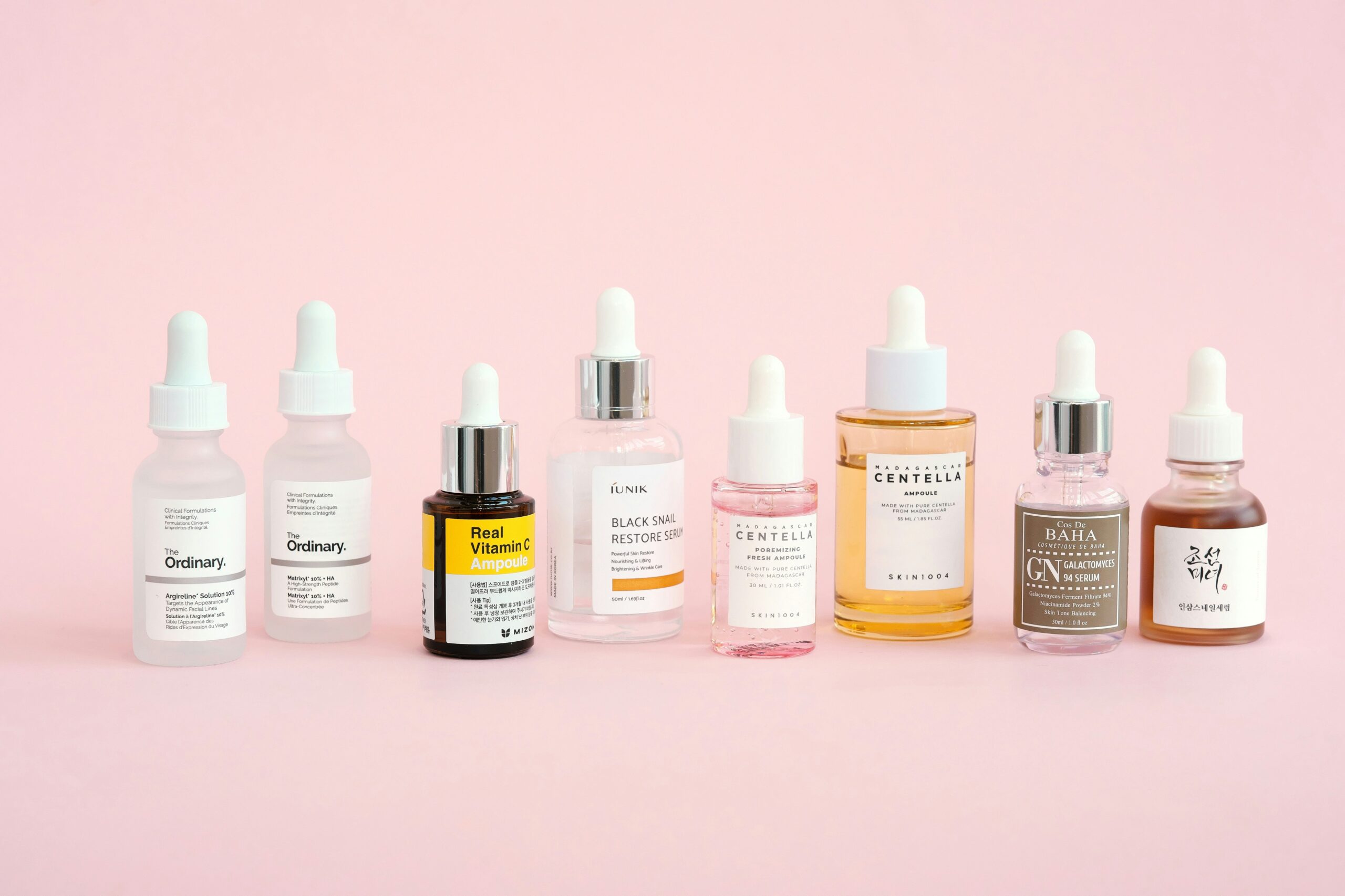
6. 세럼/앰플 (sereum/aempeul) – Serum/Ampoule
Target specific concerns like dark spots, wrinkles, or acne with these potent formulations.
7. 시트 마스크 (siteu maseukeu) – Sheet Mask
The Instagram-famous step! These are used 2-3 times weekly for an extra hydration boost.
8. 아이 크림 (ai keurim) – Eye Cream
The delicate eye area needs special attention with gentler, targeted formulations.
9. 모이스처라이저 (moiseucheoraijeo) – Moisturizer
Locks in all the goodness from previous steps and keeps skin hydrated.
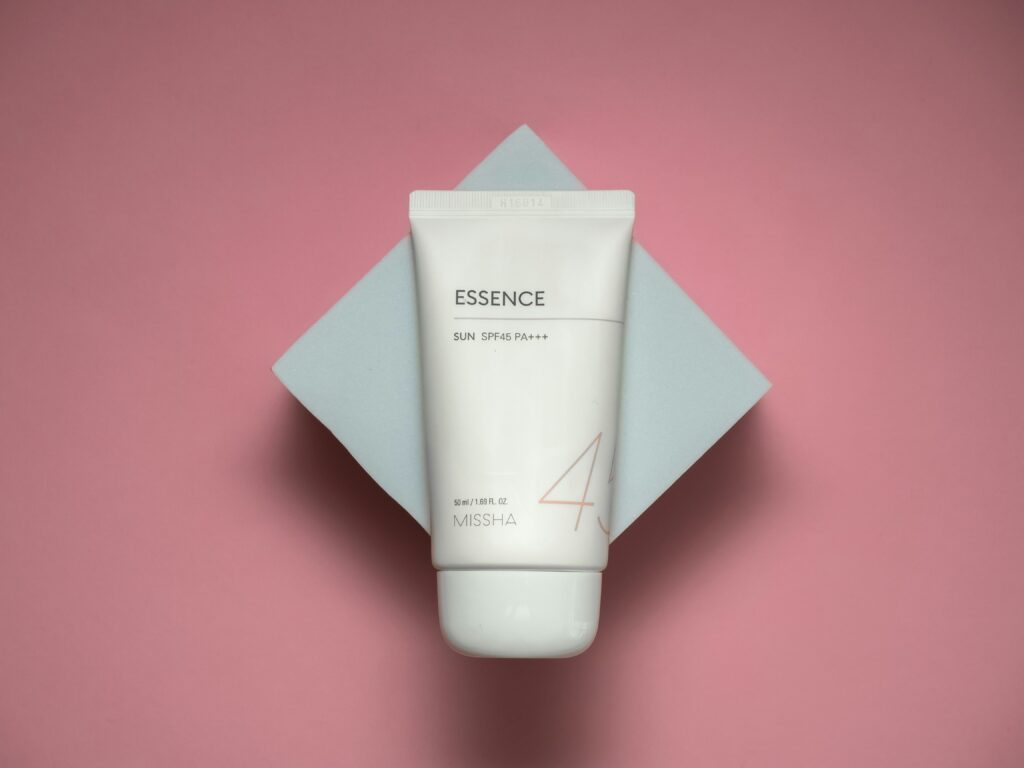
10. 선크림 (seonkeurim) – Sunscreen
The non-negotiable final morning step. Koreans are religious about sun protection, viewing it as the single most important anti-aging measure.
Do You Really Need All 10 Steps?
Here’s the truth: most Koreans don’t do all 10 steps every single day. The routine is meant to be customized to your 피부 타입 (pibu taip) – skin type, and your lifestyle. A busy professional in Seoul on a Monday morning might only do steps 2, 4, 9, and 10. But on Sunday evening, they might indulge in the full experience.
The key is understanding which products address your specific concerns. Someone dealing with 여드름 (yeodeureum) – acne, might focus on cleansing and targeted treatments, while someone concerned with 주름 (jureum) – wrinkles, might emphasize hydration and anti-aging serums.
Think of the 10-step routine as a menu, not a mandate. Here’s a realistic breakdown:
- Minimum routine (5-10 minutes): Cleanser, toner, moisturizer, sunscreen (AM) / Cleanser, toner, treatment, moisturizer (PM)
- Standard routine (15-20 minutes): Double cleanse, toner, essence, serum, moisturizer, sunscreen (AM) / Double cleanse, toner, essence, serum, eye cream, moisturizer (PM)
- Full routine (30-40 minutes): All 10 steps, typically reserved for 자기 관리 (jagi gwanri) – self-care, sessions on weekends
The beauty of Korean skincare lies in its flexibility and the emphasis on listening to your skin. Had a late night? Skip the essence. Skin feeling extra dry? Add a sleeping mask. This intuitive approach to skincare requires the same kind of attentive observation you’d use when learning a new language—paying attention to subtle cues and adjusting accordingly.
The Cultural Connection: More Than Just Beauty
What makes Korean skincare fascinating isn’t just the products—it’s the cultural values they represent. The concept of 정성 (jeongseong) – sincerity and devotion, applies here. Taking time for a multi-step routine demonstrates care for yourself, similar to how Koreans approach other aspects of daily life with intentionality.
This same attention to detail and process-oriented thinking appears throughout Korean culture. Whether you’re watching someone perform a traditional tea ceremony or observing how carefully a meal is plated, there’s an appreciation for taking time to do things properly. Understanding these cultural nuances enriches your connection to Korean practices, which is why learning the language opens up so much more than just vocabulary—it provides insight into a whole way of thinking.
When you visit Korea, you’ll notice that 피부과 (pibugwa) – dermatology clinics, are everywhere, and regular skin checkups are as normal as dental visits. The 찜질방 (jjimjilbang) – Korean spa, culture also plays into this, where people spend hours in various temperature rooms, scrubbing and treating their skin. It’s social, it’s relaxing, and it’s an integral part of wellness.
Making It Work for You: Practical Tips
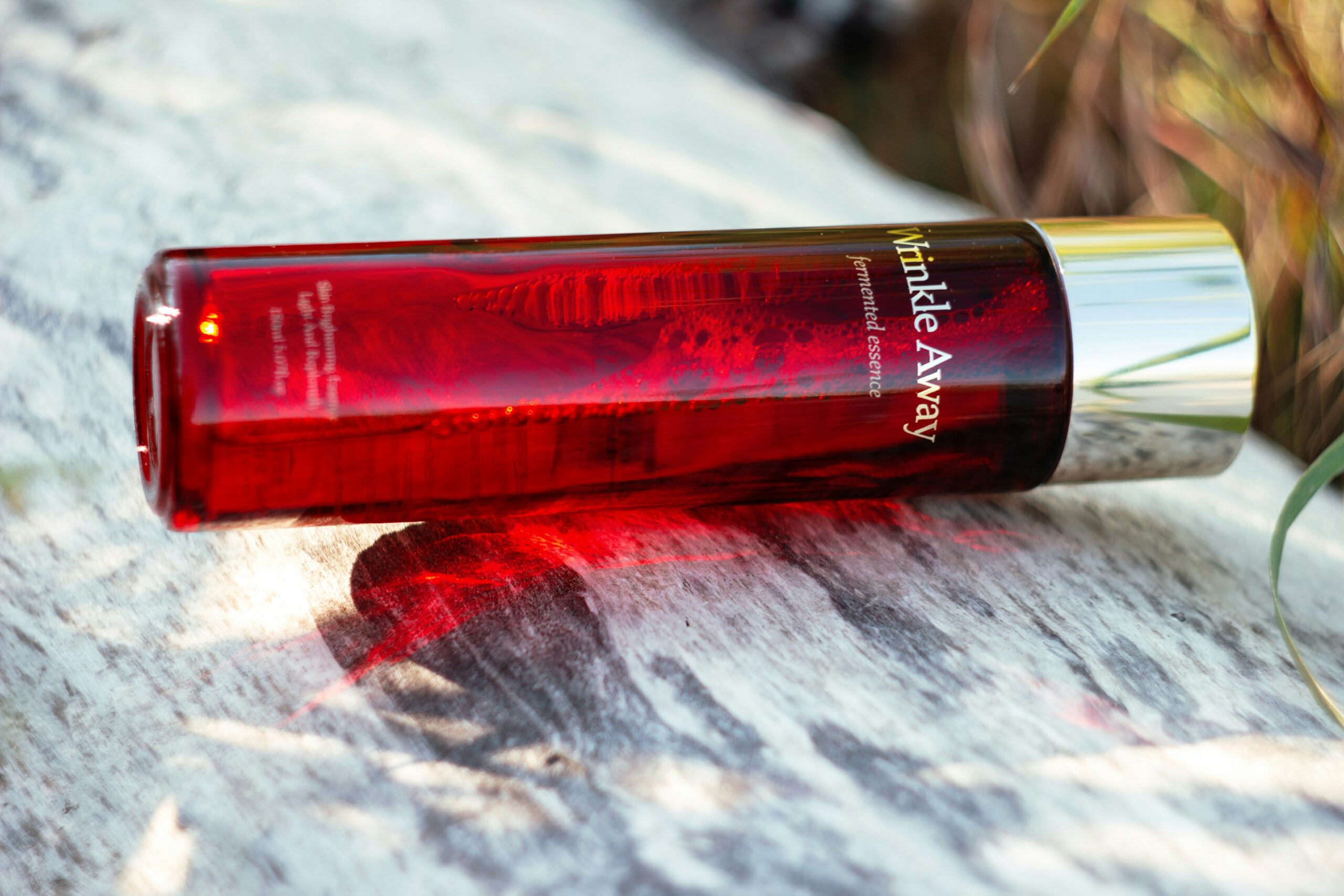
Ready to dip your toes into Korean skincare? Here’s how to start without overwhelming yourself or your wallet:
Start Small: Begin with the four essentials: cleanser, toner, moisturizer, and sunscreen. These form the foundation of any good routine. Once you’re comfortable with this 기초 관리 (gicho gwanri) – basic care, add products one at a time.
Research Ingredients: Learn to read ingredient lists and understand what 성분 (seongbun) – ingredients, work for your skin. Popular Korean ingredients include snail mucin, centella asiatica, and fermented extracts. Don’t just buy something because the packaging is cute (though it often is!).
Patch Test Everything: Koreans are serious about 패치 테스트 (paechi teseuteu) – patch testing. Apply new products to a small area first and wait 24-48 hours to check for reactions.
Give It Time: Korean skincare is about long-term results, not overnight miracles. The phrase 꾸준히 (kkujunhi) – consistently, is key. Most products need 4-6 weeks to show real results.
Learn While You Glow: Why not maximize your self-care time? As you go through your routine each morning and evening, practice Korean vocabulary related to beauty and wellness. For educators looking to make language learning more engaging, incorporating cultural elements like K-beauty into lessons can significantly boost student interest. Teaching tools that connect language to lifestyle make learning more relevant and memorable.
Seasonal Adjustments: Koreans adjust their routines based on the season. In winter (겨울 – gyeoul), you might add more hydrating layers. In summer (여름 – yeoreum), lighter formulations help manage humidity without clogging pores.
The Verdict: Is It Worth It?
The 10-step Korean skincare routine isn’t about blindly following trends or spending hundreds on products you don’t need. It’s worth it if you:
- Enjoy the ritual and find it relaxing
- Have specific skin concerns that benefit from targeted treatments
- View it as self-care time rather than a chore
- Can customize it to fit your lifestyle and budget
It’s not worth it if you:
- Feel pressured to use products you don’t need
- Are only doing it because social media says you should
- Don’t have the time or interest to be consistent
- Have perfectly healthy skin with a simpler routine
The real beauty of Korean skincare culture isn’t the number of steps—it’s the mindfulness, the self-care, and the preventative approach to health. Whether you embrace 3 steps or 10, the goal is the same: healthy, happy skin that makes you feel confident.
This fresh start season is perfect for reevaluating your routines and trying something new. Maybe that means adding a sheet mask to your Sunday evenings, or perhaps it’s committing to never skipping sunscreen. Whatever you choose, approach it with the same curiosity and dedication you’d bring to learning a new skill. After all, both skincare and language learning reward consistency, patience, and a willingness to embrace a new cultural perspective.
Ready to dive deeper into Korean culture beyond the beauty aisle? Start with 작은 습관 (jageun seupgwan) – small habits. Whether you’re learning conversational Korean, exploring K-beauty, or trying your hand at Korean cooking, the journey of cultural discovery starts with a single step. And if that first step involves a cleansing oil and the promise of glass skin? Well, that’s not a bad place to begin.
What’s your skincare routine like? Share your favorite Korean beauty products or tell us what skincare terms you’d like to learn in Korean. Let’s continue this conversation and support each other on our journeys to both glowing skin and language confidence!
Practice What You Learned
Try these interactive quizzes related to this topic:
[UBQ id = “37”]
[UBQ id = “177”]












Responses