
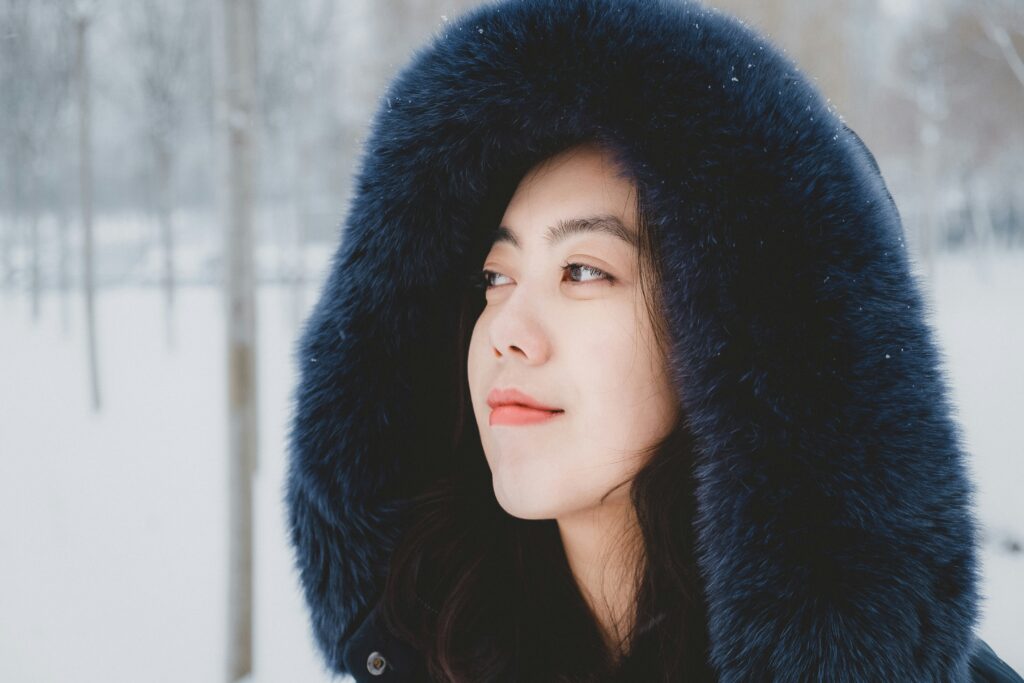
Korean Winter Skincare: Cold Weather Beauty Tips

As the crisp winter wind sweeps through Seoul’s bustling streets and frost decorates the windows of cozy cafés, Koreans aren’t just bundling up in stylish coats—they’re doubling down on their skincare routines. If you’ve ever wondered why Korean skin seems to glow even in the harshest winter conditions, you’re about to discover the secrets behind Korea’s legendary cold-weather beauty practices. Let’s dive into the world of Korean winter skincare and learn the vocabulary you’ll need to shop like a local at any Korean beauty store this season.
Understanding Korean Winter Skincare Philosophy

Korean beauty culture, known as **K-뷰티** (K-byuti) – K-beauty, takes a preventive rather than reactive approach to skincare. During **겨울** (gyeoul) – winter, this philosophy becomes even more critical. The concept of **피부** (pibu) – skin as a reflection of overall health is deeply rooted in Korean culture, where maintaining a dewy, healthy complexion is considered a form of self-care and respect.
The Korean winter is particularly harsh, with **건조한** (geonjohan) – dry conditions that can drop humidity levels dramatically. Outdoor heating systems and indoor **난방** (nanbang) – heating create additional challenges, making skin lose moisture rapidly. This is why Korean skincare routines become more intensive during winter months, focusing heavily on hydration and barrier protection.
Korean beauty experts emphasize the importance of **수분** (sumun) – moisture retention rather than just surface hydration. This approach ensures that skin stays plump and healthy throughout the cold season. Understanding these principles helps explain why Korean skincare routines might seem elaborate to newcomers—each step serves a specific purpose in protecting and nourishing the skin.
Essential Winter Skincare Vocabulary for K-Beauty Shopping

If you’re planning to explore Korean beauty stores or order products online, knowing the right vocabulary is essential. Here are the key terms you’ll encounter:
- 보습제 (seupjeje) – moisturizer: Your winter essential for keeping skin hydrated
- 세럼 (sereum) – serum: Concentrated treatments that penetrate deeply
- 크림 (keurim) – cream: Heavier than lotions, perfect for winter protection
- 마스크팩 (maseukeupaek) – sheet mask: Korea’s favorite intensive treatment
- 클렌징 (keullenzing) – cleansing: The foundation of any Korean routine
- 토너 (toneo) – toner: Prepares skin to absorb subsequent products
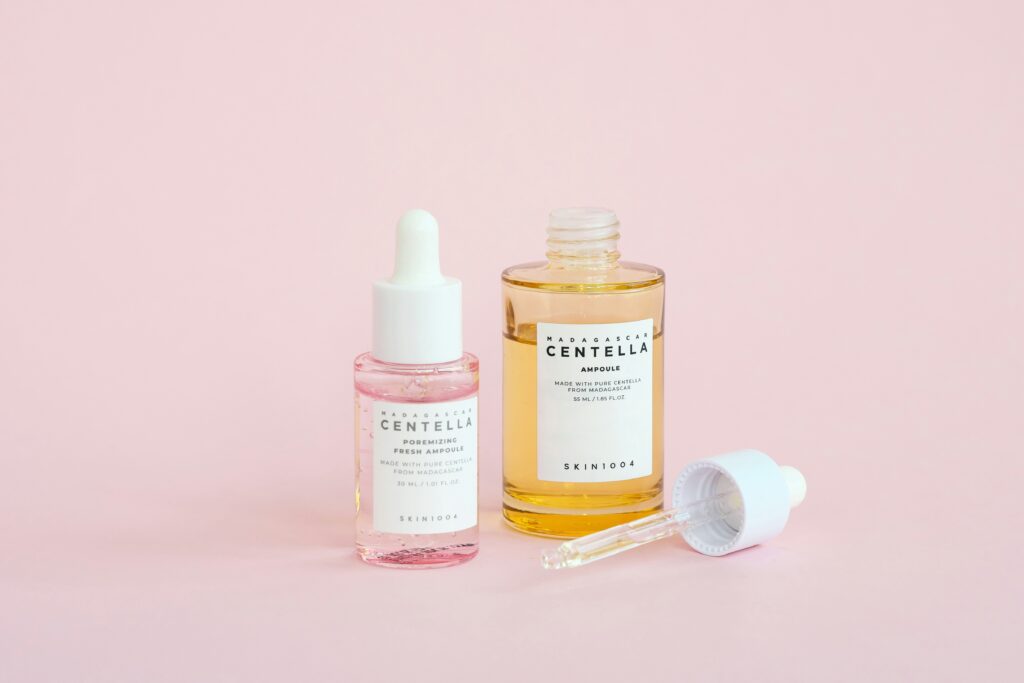
- 앰플 (aempeul) – ampoule: Super-concentrated serum for specific concerns
- 아이크림 (aikeurim) – eye cream: Special care for delicate eye area
When shopping at Korean beauty stores, you’ll also want to recognize product descriptions. Look for **촉촉한** (chokchokhan) – dewy/moist products rather than **산뜻한** (sanseuthan) – fresh/light ones during winter. Products labeled **영양** (yeongnyang) – nourishing or **진정** (jinjeong) – soothing are particularly beneficial for winter-stressed skin.
Learning these terms isn’t just about shopping—it’s about understanding Korean beauty culture on a deeper level. If you’re interested in expanding your Korean vocabulary beyond beauty terms, uBitto’s learning platform offers contextual language lessons that cover everyday situations, including shopping and self-care conversations.
The Korean Winter Skincare Routine: Step by Step

The famous Korean **10단계** (yeoldangye) – 10-step routine adapts beautifully for winter. While not everyone follows all ten steps daily, understanding the sequence helps you customize your own routine:
Morning Routine – 아침 루틴 (achim rutin):
Start with a gentle **클렌저** (keullenyjeo) – cleanser to remove overnight sebum without stripping skin. In winter, many Koreans skip the morning oil cleanse and use only a water-based cleanser or even just **미온수** (mionsu) – lukewarm water to preserve natural oils.
Follow with **스킨** (seukin) – toner (also called skin softener in Korea) by patting gently into the skin. The Korean method of **7 스킨 메소드** (chilseukin mesodeu) – 7 skin method, where you apply thin layers of toner seven times, is especially popular in winter for deep hydration.
Apply **에센스** (eseonseu) – essence, a uniquely Korean product that’s lighter than serum but more concentrated than toner. This step is crucial for winter hydration. Next comes serum or ampoule targeting specific concerns like **주름** (jureum) – wrinkles or **칙칙함** (chikchikham) – dullness.
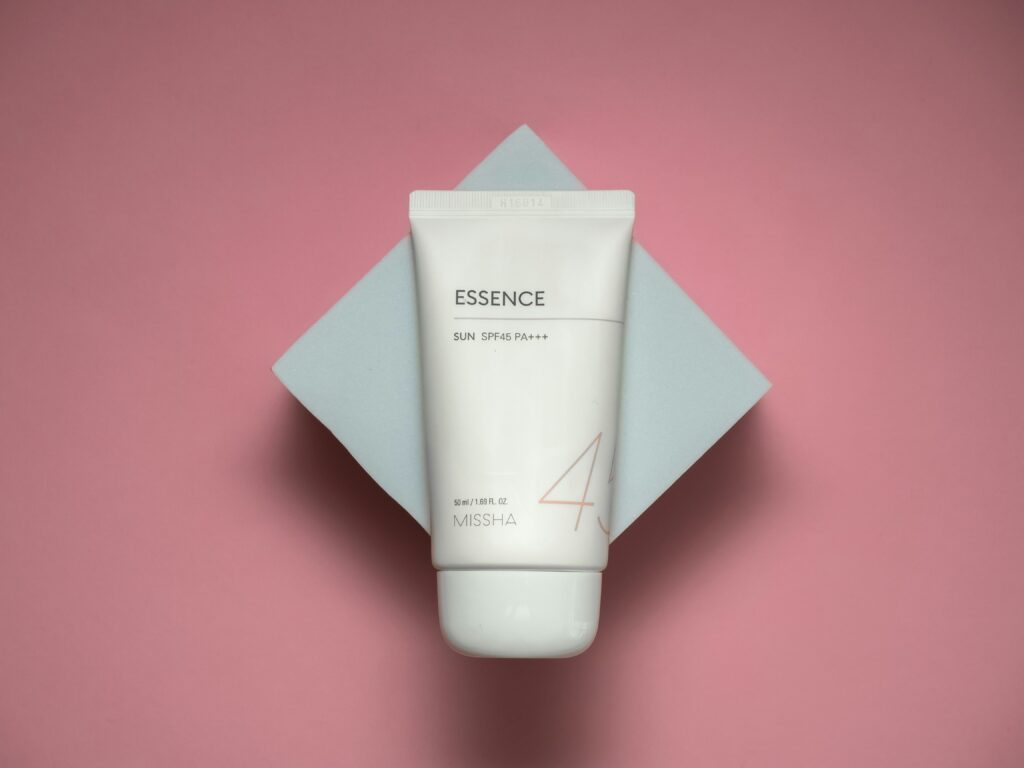
Layer on **로션** (rosyeon) – lotion or **에멀전** (emeolyeon) – emulsion, followed by a richer cream. In winter, many people use **수면크림** (sumyeon keurim) – sleeping cream even during the day for extra protection. Don’t forget **선크림** (seon keurim) – sunscreen—winter sun reflecting off snow can be surprisingly damaging!
Evening Routine – 저녁 루틴 (jeonyeok rutin):
The evening routine emphasizes thorough cleansing and intensive repair. Begin with **오일 클렌저** (oil keullenjeo) – oil cleanser to remove makeup and sunscreen, followed by a water-based cleanser—this is the famous **더블 클렌징** (deobeul keullenzing) – double cleansing method.
Once or twice weekly, use a gentle **각질제거** (gakjiljegeo) – exfoliator. Korean favorites include **필링젤** (pillingjel) – peeling gel or enzyme powders that are gentler than physical scrubs during harsh winter months.
After cleansing, follow the same layering sequence as morning, but you can add more intensive treatments. **시트마스크** (siteu maseukeu) – sheet masks 2-3 times weekly provide concentrated hydration. Finally, seal everything with a generous layer of **나이트크림** (naiteu keurim) – night cream or sleeping pack.
Korean Winter Beauty Wisdom and Cultural Practices

Korean winter skincare wisdom extends beyond products to holistic lifestyle practices. **한방** (hanbang) – traditional Korean herbal medicine plays a significant role, with ingredients like **인삼** (insam) – ginseng, **녹차** (nokcha) – green tea, and **쌀** (ssal) – rice appearing frequently in winter formulations.
The concept of **이너뷰티** (ineo byuti) – inner beauty is particularly emphasized during winter. Koreans believe that what you eat affects your skin directly. Winter foods like **삼계탕** (samgyetang) – ginseng chicken soup and **팥죽** (patjuk) – red bean porridge aren’t just comfort foods—they’re considered beneficial for **피부 건강** (pibu geongang) – skin health.
**찜질방** (jjimjilbang) – Korean saunas become popular winter destinations not just for warmth but for skin benefits. The combination of different temperature rooms helps improve circulation and deeply cleanses pores. Many jjimjilbangs offer **피부 관리** (pibu gwalli) – skin care services with traditional scrubs and treatments.
Korean mothers often pass down skincare wisdom through **할머니 비법** (halmeoni bibeop) – grandmother’s secrets, such as using rice water for washing, applying honey masks, or the importance of **충분한 수면** (chungbunhan sumyeon) – sufficient sleep for skin regeneration. This cultural transmission of beauty knowledge makes skincare a shared experience across generations.
Understanding these cultural contexts enriches your appreciation of Korean beauty practices. If you’re teaching Korean language or culture, incorporating topics like skincare routines provides engaging, practical content that students can immediately use. Educators using uBitto can create customized lessons around these culturally relevant themes, making language learning more meaningful and applicable to real-life situations.
Winter Skincare Challenges and Solutions
Even with perfect routines, winter presents unique challenges. **각질** (gakjil) – dead skin cells accumulate more rapidly in dry conditions, leading to **거친 피부** (geochin pibu) – rough skin texture. The solution isn’t aggressive scrubbing but gentle, regular exfoliation combined with intensive hydration.
**트러블** (teureobeul) – trouble or breakouts might seem like a summer problem, but winter heating can trigger oil production while dryness compromises the skin barrier. Korean approach focuses on **밸런스** (baelleonseu) – balance, using lightweight hydrators and avoiding overly heavy products that clog pores.
**민감성** (mingamseong) – sensitivity increases during winter as the skin barrier weakens. Look for products with **시카** (sika) – cica (centella asiatica) or **프로폴리스** (peuropolliseu) – propolis, which are famous for calming irritated skin. Korean brands excel at creating **순한** (sunhan) – gentle formulations specifically for sensitive winter skin.
The dreaded **각질** (gakjil) – flaking around the nose and mouth responds well to **앰플 마스크** (aempeul maseukeu) – ampoule masks or overnight moisture packs. Many Koreans keep a **미스트** (miseuteu) – mist spray at their desk for midday hydration boosts, a simple but effective practice.
**입술** (ipsul) – lips require special attention too. Korean **립밤** (ripbam) – lip balm formulations often include nourishing ingredients like shea butter and vitamin E, applied generously before bed as an overnight treatment.
Embracing Korean Winter Beauty Culture
Adopting Korean winter skincare practices is about more than achieving perfect skin—it’s about embracing a culture that values self-care as a daily ritual. The Korean phrase **나를 위한 시간** (nareul wihan sigan) – time for myself captures this philosophy beautifully. Taking 15 minutes each evening for skincare isn’t vanity; it’s a mindful practice of caring for yourself.
Winter skincare shopping trips to areas like Myeongdong or online Korean beauty sites become more rewarding when you understand what you’re looking for. Being able to read **성분** (seongbun) – ingredients labels or understand product descriptions helps you make informed choices rather than relying solely on packaging.
As you explore Korean winter skincare, you’re not just learning about beauty products—you’re gaining insight into Korean culture, language, and values. Each product name, each skincare step, and each beauty practice carries linguistic and cultural meaning worth discovering.
Ready to deepen your understanding of Korean language and culture beyond beauty terminology? Whether you’re a learner wanting to navigate Korean beauty stores confidently, an educator looking to teach through culturally relevant content, or simply someone fascinated by Korean culture, uBitto offers comprehensive resources to support your journey. From everyday vocabulary to cultural insights, learning Korean opens doors to richer experiences with everything from skincare routines to meaningful conversations.
This winter, as you layer on your moisturizers and serums, remember that you’re participating in a cultural practice that values preparation, patience, and self-respect. Your skin will thank you, and your Korean vocabulary will grow naturally as you embrace these beautiful rituals. Stay warm, stay hydrated, and enjoy your journey into Korean winter beauty wisdom—**건강한 겨울 보내세요!** (geonanghan gyeoul bonaeseyo) – Have a healthy winter!
Practice What You Learned
Try these interactive quizzes related to this topic:
[UBQ id = “120”]
[UBQ id = “262”]











Responses