
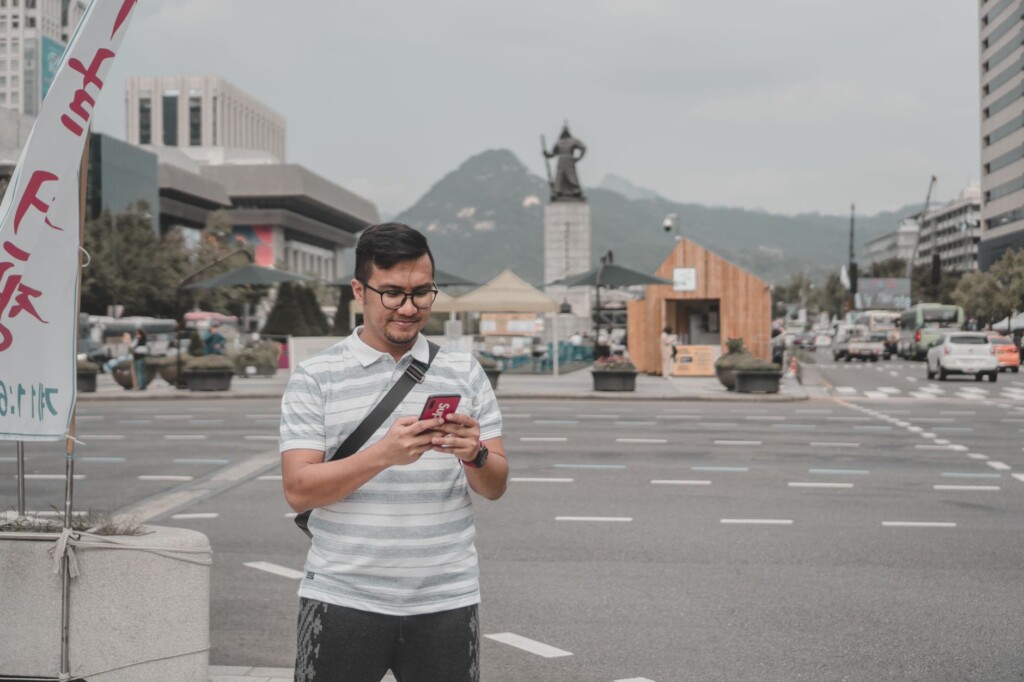
Generic travel Korean apps fail you. The fix? Phrases built for your trip

You downloaded the app. You practiced “Where is the library?” for three weeks. Then you landed in Seoul, walked into a fried chicken joint, and froze. Sound familiar? The truth is that generic travel apps are built for an average traveler who doesn’t exist. If you want real korean speaking skills that actually work when you’re standing at a night market or checking into a guesthouse, you need phrases built for your trip, not a one-size-fits-all script.
Here’s the good news: personalized learning paths are the biggest shift happening in language study right now, and they solve exactly this problem. Let’s break down why cookie-cutter apps let you down and how to build something better.
Why generic travel Korean apps quietly fail you
Most travel apps front-load the same 200 phrases for everyone. The issue isn’t quality, it’s relevance. A phrase you’ll never say is a phrase your brain refuses to keep. Here’s where they break down:
- Wrong context. They teach “Can I book a table for four?” when you’re a solo backpacker eating at 24-hour gimbap (김밥, seaweed rice rolls) counters.
- No follow-up. You learn how to ask a question but never how to understand the answer, which is where communication skills actually live.
- Politeness mismatch. Apps often drill overly formal speech that feels stiff in a casual cafe, or too-casual speech that lands rude with an elder.
- Zero memory of you. They don’t know you’re a foodie, a hiker, or traveling with your parents, so every lesson treats you like a blank slate.
The fix: a phrase set built around your actual itinerary
Personalized learning flips the script. Instead of memorizing generic lists, you map phrases to the specific moments your trip will contain. Think of it as packing a language suitcase for the destinations you’ll really visit.
Start by writing down your trip in scenes. Not “restaurants” but “ordering spicy tteokbokki from a street cart at Myeongdong.” Not “transport” but “taking the KTX to Busan and finding my seat.” The more specific the scene, the stickier the phrase.
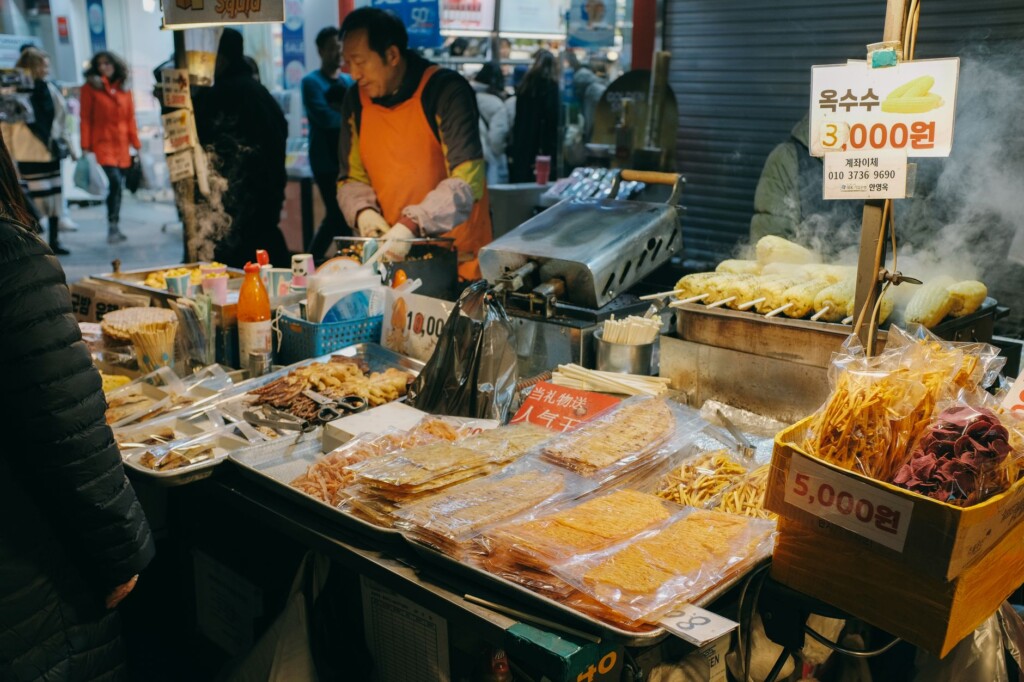
Example: the food-focused traveler
If your trip revolves around eating, skip the airport phrases and load up on these:
- 이거 뭐예요? (igeo mwoyeyo?) “What is this?” — perfect at a stall pointing at something delicious.
- 안 맵게 해주세요. (an maepge haejuseyo) “Please make it not spicy.” — a lifesaver.
- 여기서 먹을게요. (yeogiseo meogeulgeyo) “I’ll eat here.” — vs. takeout.
- 계산할게요. (gyesanhalgeyo) “I’ll pay now.”
Example: the culture-and-temples traveler
Heading to Gyeongju and quiet mountain temples? Your phrase set looks totally different:
- 사진 찍어도 돼요? (sajin jjigeodo dwaeyo?) “May I take a photo?”
- 입장료 얼마예요? (ipjangnyo eolmayeyo?) “How much is the entrance fee?”
- 몇 시에 닫아요? (myeot sie dadayo?) “What time does it close?”
See the difference? Same amount of study time, wildly different usefulness. That targeting is what turns passive vocabulary into genuine language mastery you can actually deploy under pressure.
Build your own personalized path in 4 steps
You don’t need fancy software to do this. Here’s a repeatable method:
- 1. List your real scenes. Write 8 to 12 specific situations from your itinerary. Order them by how often they’ll happen.
- 2. Collect both sides of the conversation. For every phrase you’ll say, learn the 2 or 3 replies you’re likely to hear. Understanding “현금이요, 카드요?” (hyeongeumiyo, kadeuyo?, “cash or card?”) matters as much as ordering.
- 3. Lock in politeness level. For travel, the -요 (-yo) polite ending is your golden default. It’s respectful without being stiff, and works with almost everyone you’ll meet.
- 4. Rehearse out loud in context. Whisper your cafe order on the walk there. Say your train phrase while looking at a map. Real communication skills come from speaking, not scrolling.
Two phrases that punch above their weight
No matter your trip, add these. They buy you patience and goodwill everywhere:
- 한국어 조금밖에 못해요. (hangugeo jogeumbakke motaeyo) “I can only speak a little Korean.” — instantly softens the room and slows people down.
- 다시 한번 말해 주세요. (dasi hanbeon malhae juseyo) “Please say that once more.” — your safety net when a reply flies by too fast.
Personalized doesn’t mean harder, it means lighter
Here’s the mindset flip: a personalized path isn’t more studying, it’s less wasted studying. You cut the phrases you’ll never touch and pour that energy into the ten interactions that will define your trip. That focus is exactly why targeted practice grows real korean speaking skills so much faster than a generic streak on an app.
So before your next trip, don’t reopen that dusty travel app. Sketch out your real scenes, gather both halves of each conversation, and rehearse them out loud. When you finally point at a bubbling pot of stew and say “이거 하나 주세요” (igeo hana juseyo, “one of these, please”) and it actually works, you’ll never go back to generic again. 화이팅! (hwaiting, “you’ve got this!”)
Practice What You Learned
Try these interactive quizzes related to this topic:







Responses