
Living in Korea won’t fix your Korean, but the right 15 minutes a day will

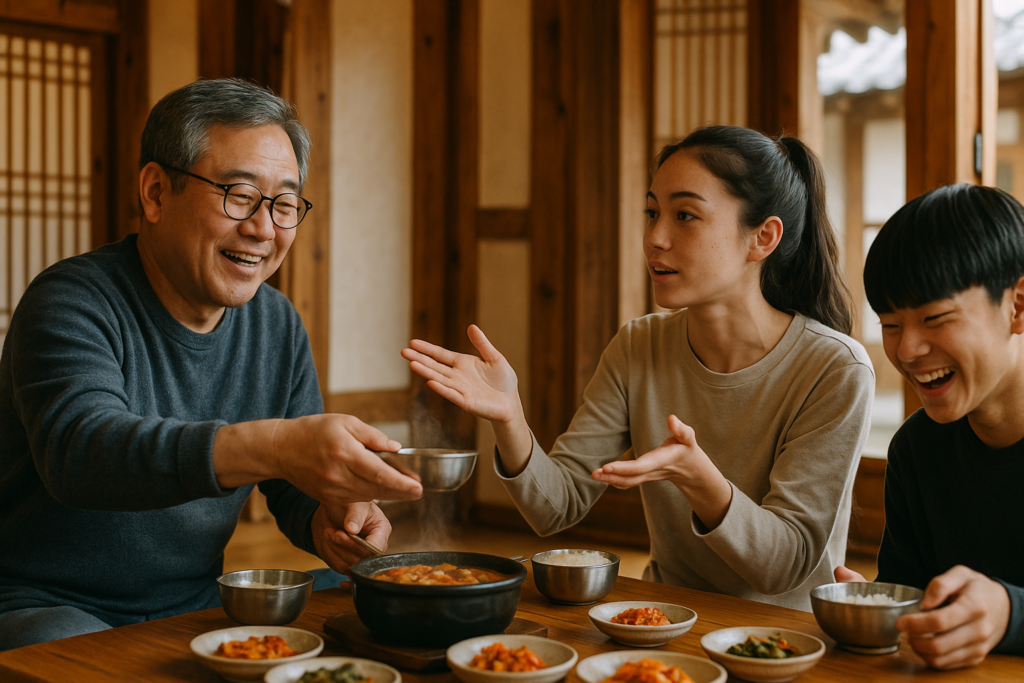
Here’s a myth worth busting on day one: living in Korea will not fix your Korean. Plenty of foreigners spend years in Seoul ordering the same three dishes, nodding through conversations they don’t fully understand, and staying stuck at the same level. Meanwhile, some learners on the other side of the planet reach conversational fluency from their bedrooms. The difference isn’t location. It’s what you do with a focused chunk of time each day. These korean fluency tips are built around one idea: 15 intentional minutes beats an hour of passive exposure.
Why immersion alone doesn’t work
Immersion sounds magical, but your brain doesn’t absorb language just because it’s floating in the air. In Korea, English signage, translation apps, and patient locals who switch to English the moment you hesitate create a comfortable bubble. You can live inside Korean without ever engaging with it.
Real progress comes from active recall and output, not background noise. Hearing 안녕하세요 (annyeonghaseyo, hello) a hundred times a day does little if you never produce sentences yourself. That’s the gap nobody warns you about: exposure feels productive, but only deliberate practice moves the needle.
The case for 15 minutes (and a personalized path)
The trending shift in language learning right now is personalized learning paths, and it’s a genuine upgrade over one-size-fits-all courses. Instead of grinding through Unit 1 vocabulary you’ll never use, you build a korean study routine around your life: the coffee you order, the messages you send friends, the dramas you watch.
Fifteen minutes works because it’s small enough to do every single day, and consistency beats intensity. A daily 15-minute habit is roughly 91 hours a year. That’s a genuine dent in fluency, and far more than the sporadic two-hour cram sessions most people abandon by February.
What the right 15 minutes actually looks like
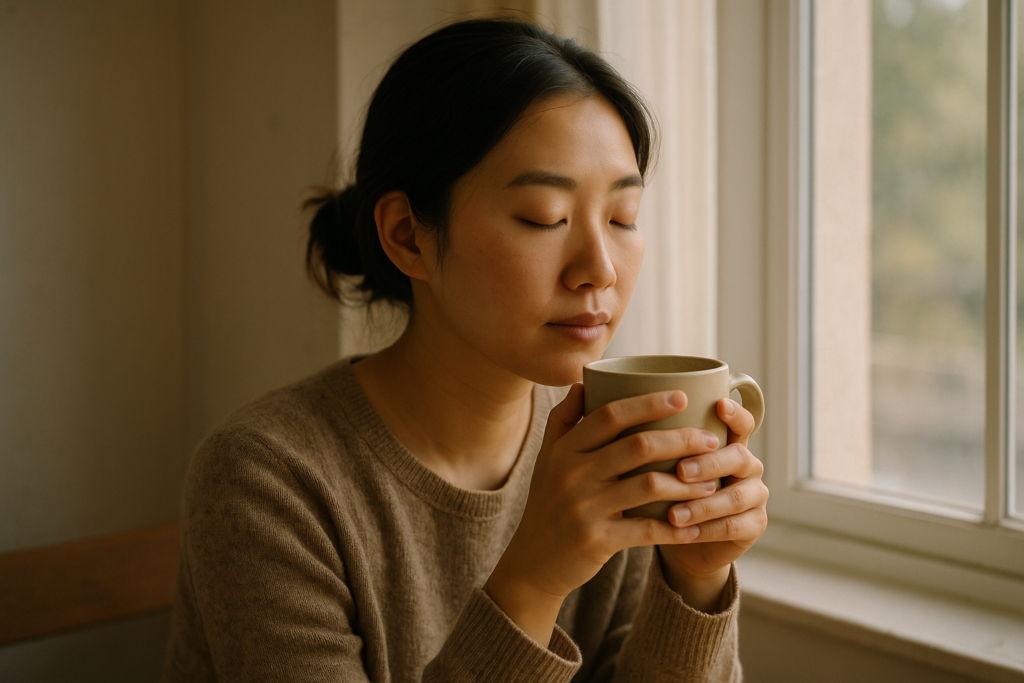
Not all minutes are equal. Scrolling a vocabulary app while half-watching TV is not the same as focused practice. Here’s a structure that maximizes real progress:
- 5 minutes of active recall: Say yesterday’s new words out loud from memory, then use each in a fresh sentence. Speaking aloud forces production, which is where fluency lives.
- 5 minutes of input tied to your life: Listen to a short clip about something you actually care about, food, gaming, skincare, and shadow (repeat aloud) two or three sentences.
- 5 minutes of output: Text a language partner, leave a Korean comment, or record a voice memo describing your day.
Anchor it to something you already do
Attach your routine to an existing habit so you never have to “find” the time. Do it while your coffee brews, on the subway, or right after brushing your teeth. Korean has a great phrase for this steady effort: 꾸준히 (kkujunhi, steadily/consistently). Being 꾸준히 is worth more than being talented.
Focus on natural Korean usage, not textbook Korean
One reason learners freeze in real conversations is that textbooks teach stiff, over-formal language. To build natural korean usage, pay attention to how people actually speak:
- Textbooks say 식사하셨어요? (siksahasyeosseoyo?, have you eaten?) in full, but friends often just say 밥 먹었어? (bap meogeosseo?).
- Learn softeners and fillers like 진짜 (jinjja, really) and 그냥 (geunyang, just/simply) that make you sound human.
- Notice how Koreans shorten things: 감사합니다 (gamsahamnida, thank you) becomes a casual 고마워 (gomawo) among friends.
Feed these real phrases into your daily 15 minutes and you’ll sound less like a manual and more like a person.
Order food like it’s a mini exam
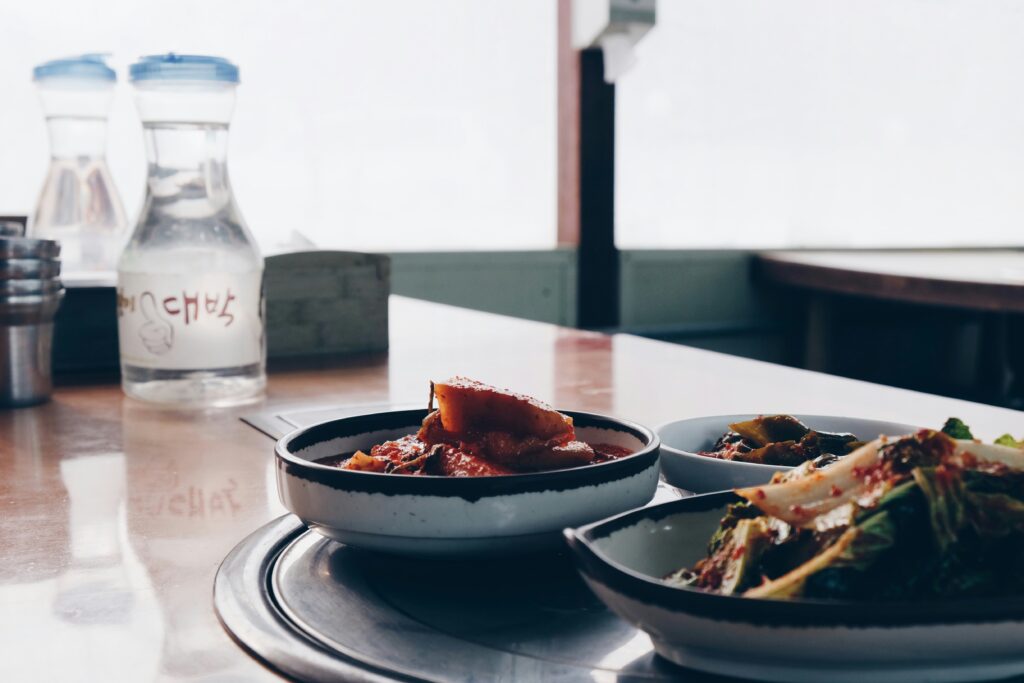
One of the best low-pressure ways to practice output is ordering food. Instead of pointing at a picture, build a full sentence: 김치찌개 하나 주세요 (kimchijjigae hana juseyo, one kimchi stew please). Then push yourself further, ask a question: 이거 맵나요? (igeo maepnayo?, is this spicy?). Each real interaction cements the vocabulary far deeper than any flashcard.
Put it together
Fluency isn’t a passport stamp or a streak counter. It’s the result of showing up daily and doing the small, uncomfortable, active work that actually changes your brain. Whether you’re in Busan or Boston, the formula is the same: a personalized path, a modest 15-minute window, and a stubborn commitment to being 꾸준히.
Skip the myth that geography does the work. Choose the minutes that do. 화이팅! (hwaiting, you can do it!)
Practice What You Learned
Try these interactive quizzes related to this topic:










Responses