
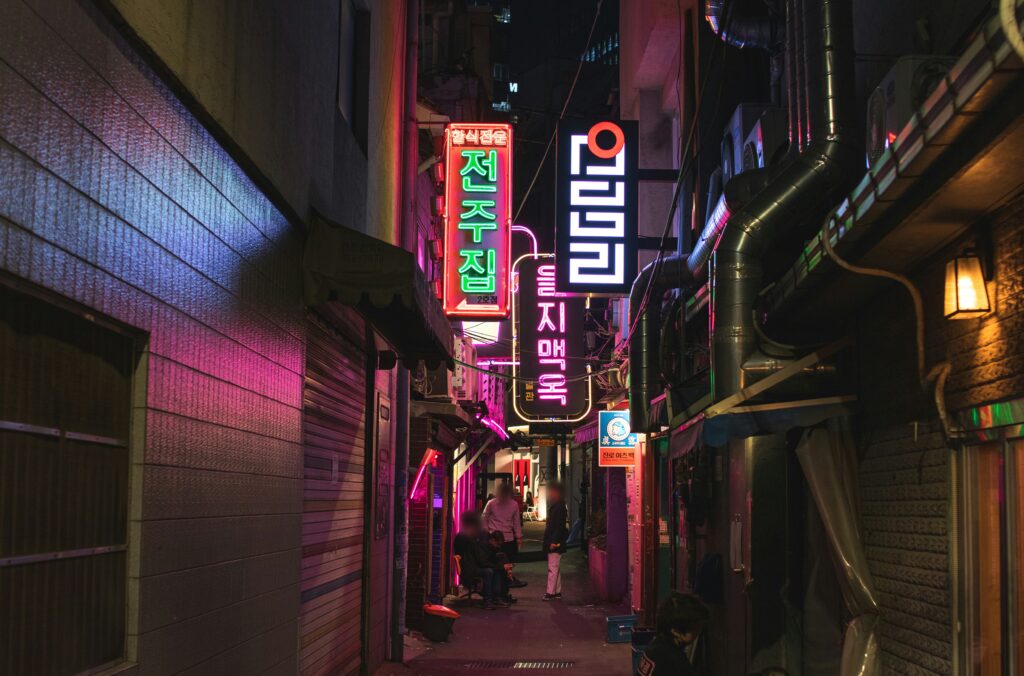
Top 10 Hidden Gems in Seoul That Tourists Miss

Winter in Seoul is magical—but while most tourists huddle around the same crowded spots in Myeongdong and Gangnam, the city’s most enchanting corners remain blissfully undiscovered. As temperatures drop and the search for warm **아지트** (ajiteu) – hideouts intensifies, savvy travelers are seeking out Seoul’s secret spaces where locals actually spend their time. Ready to explore the real Seoul this winter?
1. Seochon Village: The Quieter Twin of Bukchon
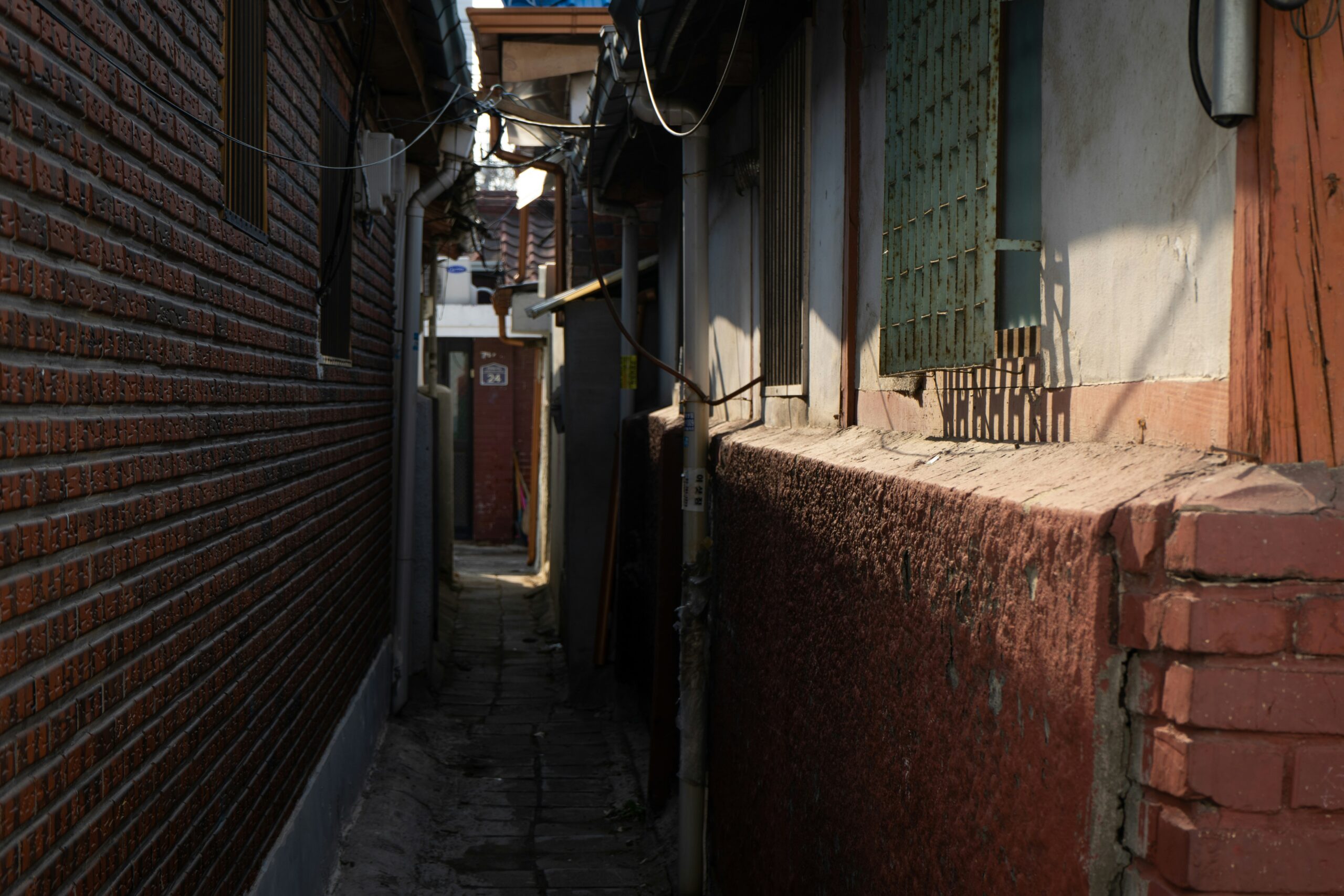
While tourists flock to Bukchon Hanok Village for Instagram photos, just across Gyeongbokgung Palace lies **서촌** (Seochon) – literally “West Village”—a neighborhood that captures the essence of old Seoul without the crowds. This **골목길** (golmokgil) – alleyway district is where traditional hanoks meet independent bookstores, quirky cafes, and small galleries.
On a cold winter day, duck into Daeo Bookstore, a two-story gem filled with art books and warm lighting, or warm up with **호떡** (hotteok) – sweet Korean pancakes from one of the street vendors. The neighborhood’s charm lies in its authenticity—residents still live here, hanging laundry and chatting with neighbors, making you feel less like a tourist and more like a temporary local.
Pro tip: Start at Tongin Market in the morning, then wander through Seochon’s winding streets. You’ll naturally stumble upon **숨은 맛집** (sumeun matjip) – hidden restaurant gems that don’t appear in guidebooks.
2. Ihwa Mural Village After Dark
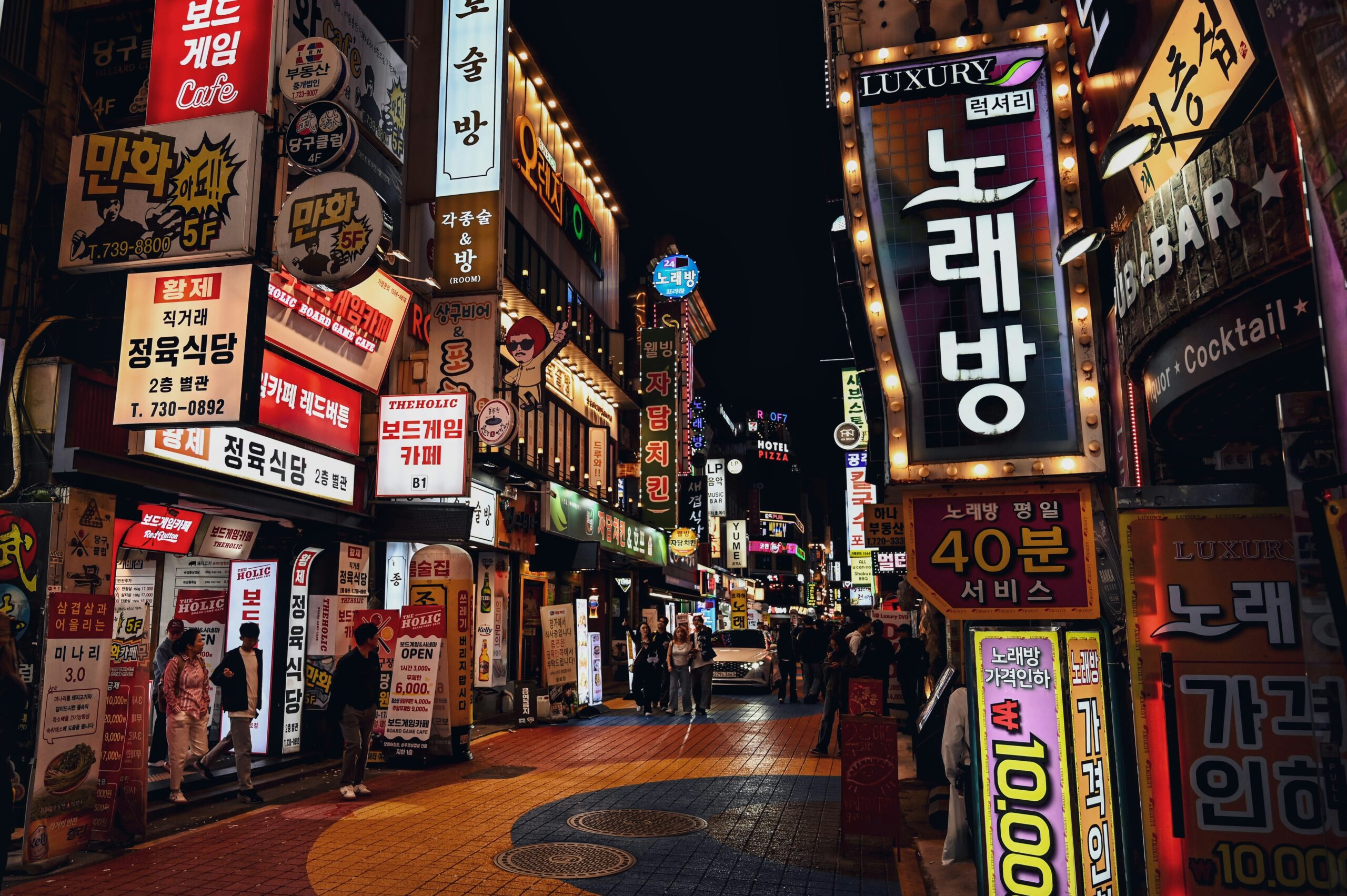
Yes, Ihwa Mural Village appears in travel guides, but here’s what tourists miss: visiting after sunset. The **벽화마을** (byeokhwa maeul) – mural village transforms into something ethereal when the crowds disperse and street lights illuminate the artwork against the winter night sky. The famous koi fish stairs and angel wings take on a completely different mood without dozens of people posing for photos.
Winter evenings here are particularly special. The **야경** (yagyeong) – night view from the upper reaches of the village offers a panoramic vista of Seoul’s glittering skyline, with N Seoul Tower piercing the darkness in the distance. Local **할머니** (halmeoni) – grandmothers run tiny convenience stores where you can grab hot **어묵** (eomuk) – fish cake soup to warm your hands while you explore.
Understanding the Korean phrases you’ll encounter in neighborhoods like these enriches your experience tremendously. If you’re planning an extended stay in Seoul and want to navigate these hidden spots with confidence, learning Korean opens doors to conversations with local shop owners and discovers places no map can show you.
3. Seonyudo Park: An Island Escape in the Han River
Most visitors take river cruises or visit the Hangang Parks, but few discover **선유도공원** (Seonyudo Gongwon) – Seonyudo Park, a surreal island park built on the remains of a former water purification plant. Connected to the mainland by a pedestrian bridge, this **섬** (seom) – island feels worlds away from Seoul’s urban intensity.
In winter, the industrial ruins and minimal gardens take on a stark, contemplative beauty. The park’s architectural elements—rusted metal structures and concrete pools now filled with aquatic plants—create an almost post-apocalyptic aesthetic that’s hauntingly beautiful under gray winter skies. It’s a favorite spot for Korean couples seeking **데이트 코스** (deiteu koseu) – date course spots away from crowds.
The **온실** (onsil) – greenhouse offers warmth and greenery when the outdoor chill becomes too intense. Inside, tropical plants thrive while you can enjoy views of the frozen river landscape outside. There’s a small cafe where locals sip **쌍화차** (ssanghwacha) – traditional Korean medicinal tea, perfect for cold weather comfort.
Getting there: Take Line 9 to Seonyudo Station, Exit 1. The walk to the island bridge takes about 5 minutes and offers lovely Han River views.
4. Mullae Arts Village: Industrial Chic Meets Street Art
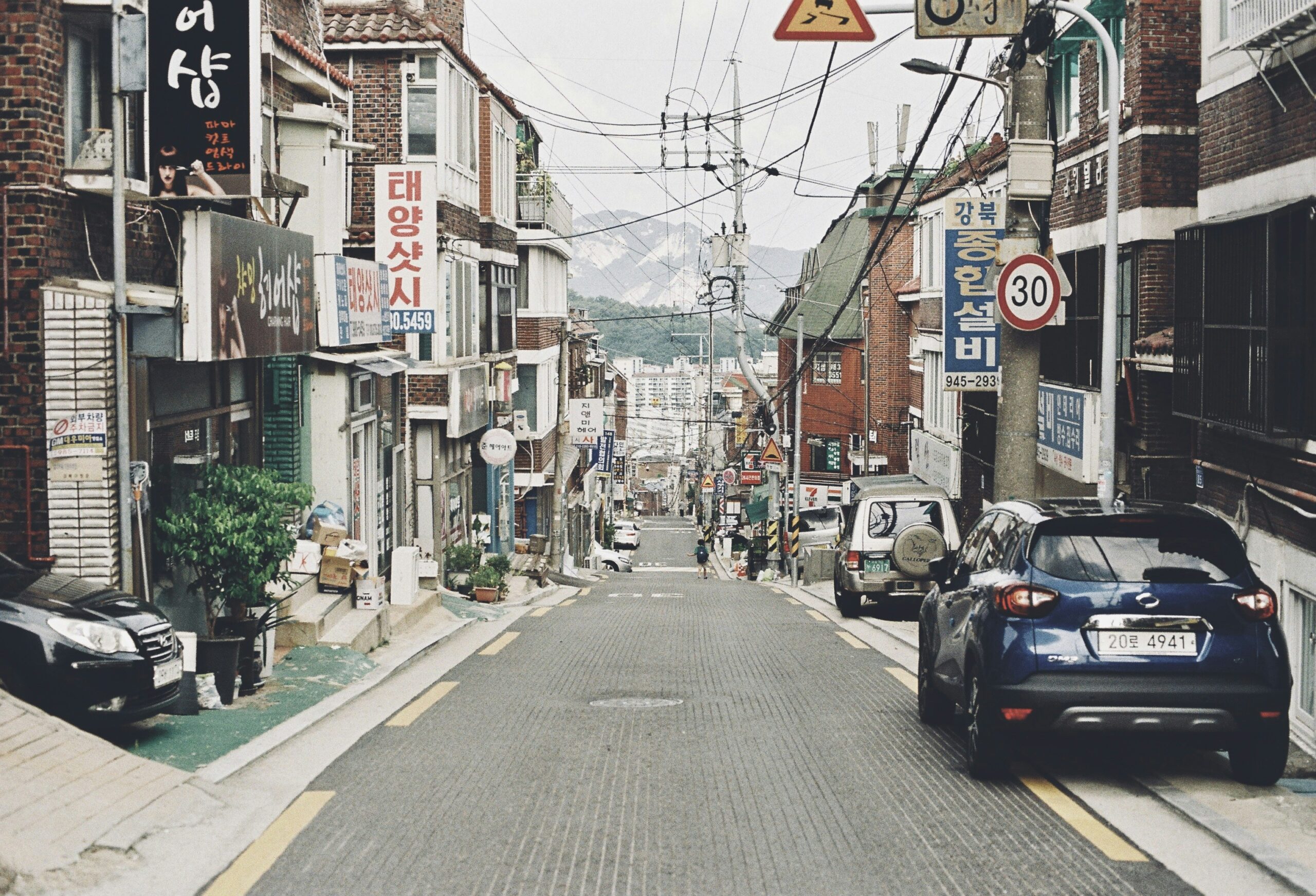
Hidden in Yeongdeungpo-gu, **문래예술촌** (Mullae Yesulchon) – Mullae Arts Village is Seoul’s grittiest creative neighborhood. Originally an industrial complex filled with metalworking shops—many still operating today—this area has evolved into an underground arts district where welding sparks fly next to indie music venues and artist studios.
The contrast is Seoul’s creative soul in physical form: **철공소** (cheolgongso) – metalworking shops operate on ground floors while painters, sculptors, and musicians work in studios above. The narrow alleys are covered with murals, installations, and graffiti that change constantly. Unlike the more polished art districts, Mullae maintains its raw, working-class character.
Winter evenings bring the neighborhood to life. Small **선술집** (seonsuljip) – standing bars and hole-in-the-wall restaurants fill with artists, factory workers, and in-the-know locals. Try **막걸리** (makgeolli) – traditional rice wine with **파전** (pajeon) – green onion pancakes at one of the tiny establishments where English menus don’t exist, but smiles and gestures work perfectly.
For those working in Seoul’s creative industries or teaching here, Mullae represents the authentic artistic community that thrives beyond the tourist radar. Educators looking to show students real Korean urban culture often organize cultural experiences in neighborhoods like these, where language learning meets genuine cultural immersion.
5. Seoul Baekje Museum and Olympic Park’s Quiet Corners
While Olympic Park appears on maps, most tourists photograph the iconic Mongchontoseong Fortress ruins and leave. Venture deeper into the park’s 1.5 million square meters, particularly toward the **서울백제박물관** (Seoul Baekje Bangmulgwan) – Seoul Baekje Museum, and you’ll find yourself virtually alone even on weekends.
The museum itself is a hidden gem, offering free admission to permanent exhibitions about the Baekje Kingdom that once ruled this area. The **유물** (yumul) – artifacts and interactive displays are world-class, yet the museum remains mysteriously empty compared to Seoul’s more famous institutions. In winter, it’s the perfect **실내** (silnae) – indoor escape that also feeds your mind.
Behind the museum, walking trails wind through areas where most park visitors never venture. The **숲길** (supgil) – forest paths offer peaceful winter walks where you’ll encounter more local grandmothers doing their daily exercise than tourists. Small traditional **정자** (jeongja) – pavilions dot the landscape, providing spots to rest and observe Korean outdoor culture.
Cultural insight: Korean **어르신** (eoreushin) – elderly people use public parks year-round for health, socializing, and fresh air. Observing their routines—from stretching exercises to animated conversations on park benches—offers authentic glimpses into daily Korean life that no palace tour provides.
Why Hidden Gems Matter for Korean Learners
Discovering Seoul’s secret spots isn’t just about escaping crowds—it’s about accessing authentic Korean life where English isn’t automatically spoken and real cultural exchange happens naturally. In these neighborhoods, knowing how to order in Korean, read signs, and engage in basic conversation transforms you from outsider to welcomed guest.
When you stumble into a family-run **분식집** (bunshikjip) – snack restaurant in Seochon and successfully order **떡볶이** (tteokbokki) – spicy rice cakes, or when you chat with the **공방** (gongbang) – workshop owner in Mullae about their metalwork, language becomes the bridge to experiences no guidebook can provide. These moments—slightly uncomfortable, definitely rewarding—are where cultural understanding actually develops.
For travelers serious about Korean culture and language, tools that combine practical Korean with cultural context make these authentic interactions accessible rather than intimidating. The difference between tourists who stick to Gangnam and travelers who confidently explore Mullae often comes down to language confidence, even at a basic level.
Start Your Hidden Seoul Adventure
Seoul’s secret spaces reward the curious and the brave—those willing to venture beyond comfortable, English-friendly zones into neighborhoods where the real city pulses. This winter, as you plan your Seoul exploration, remember that the most memorable experiences rarely appear on “Top 10” lists in mainstream travel blogs.
Pack hand warmers, download offline maps, learn a few key Korean phrases, and set out to discover your own hidden gems. The **골목** (golmok) – alleyways are waiting, the locals are friendly, and the **커피** (keopi) – coffee is hot. Seoul’s secrets are hiding in plain sight—you just need to know where to look and have enough Korean to ask the right questions when you get there.
Which hidden corner of Seoul will you discover first? The winter city is yours to explore.
Practice What You Learned
Try these interactive quizzes related to this topic:
[UBQ id = “320”]
[UBQ id = “181”]







Responses