
2026 Korean Trends: What’s Hot and What’s Not

As winter blankets Seoul in pristine snow and cozy cafés buzz with warmth, Korea’s cultural landscape is shifting beneath the surface. While you’re bundled up sipping your steaming **아메리카노** (amerikano) – Americano, Korean trends are evolving at lightning speed. From language shifts to fashion statements, 2026 is bringing fresh waves of change that every Korean language learner should know about. Let’s dive into what’s capturing Korea’s collective imagination this year—and what’s quietly fading into the background.
The Rise of “Authentic Simplicity” Culture
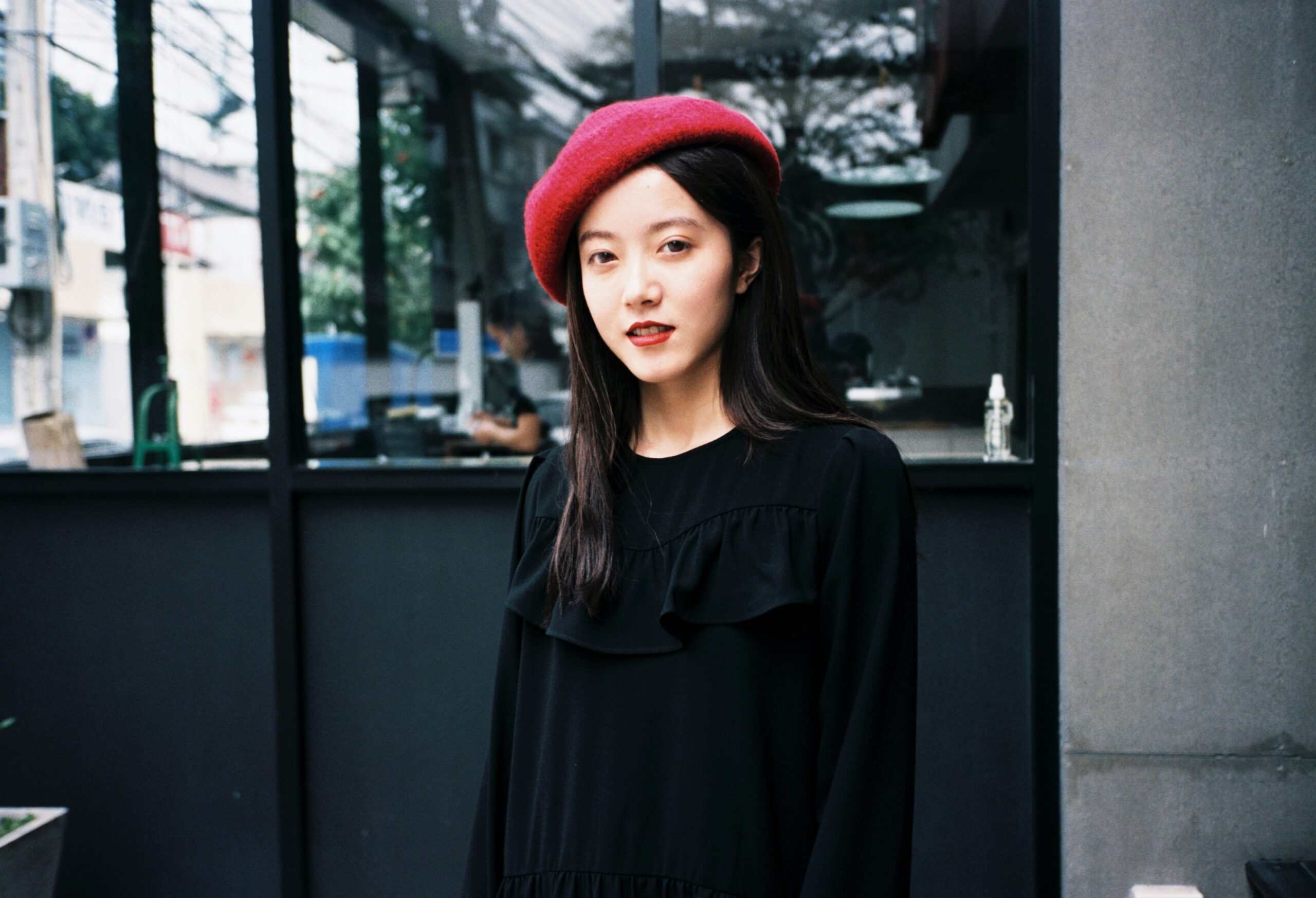
Gone are the days when Korea’s aesthetic revolved around **화려함** (hwaryeoham) – flashiness. In 2026, Koreans are embracing **소박함** (sobakham) – simple authenticity like never before. This shift is reshaping everything from interior design to social media content, and even the way people speak Korean.
The new trend celebrates **자연스러움** (jayeonseureoum) – naturalness over perfection. You’ll notice this in popular YouTube channels dropping heavily edited content for more **솔직한** (soljikhan) – honest, raw footage. Even K-pop idols are sharing makeup-free selfies with captions like “이게 진짜 나야” (ige jinjja naya) – “This is the real me.”
For language learners, this cultural shift means you’ll hear more casual, authentic Korean in media rather than overly polished textbook speech. Phrases like **있는 그대로** (inneun geudaero) – “just as it is” are everywhere. When someone compliments your Korean, you might hear “진짜 자연스럽다!” (jinjja jayeonseureopda!) – “Really natural!” instead of formal praise about accuracy.
This trend extends to learning methods too. Rather than memorizing perfect grammar patterns, learners are finding success by engaging with authentic Korean content that reflects how people actually communicate. The focus is shifting from textbook perfection to real-world fluency.
Digital Detox Vocabulary: Words That Matter in 2026
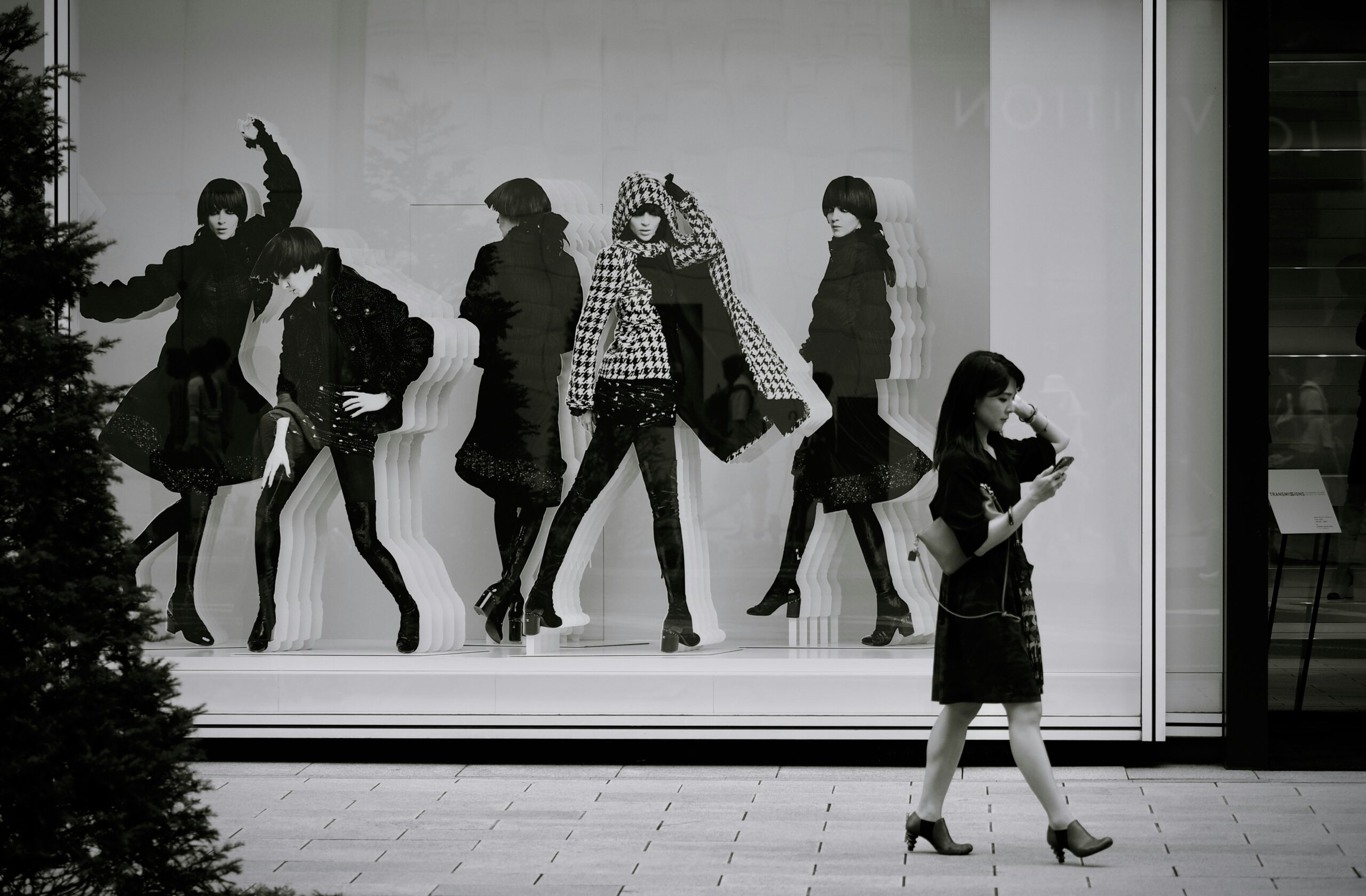
Interestingly, as Korea remains one of the world’s most digitally connected nations, a counter-movement is gaining momentum. The **디지털 디톡스** (dijiteol ditokseu) – digital detox trend has spawned an entirely new vocabulary set that’s essential for understanding contemporary Korean culture.
Here are the hottest terms you’ll hear in 2026:
- 포노 사피엔스 (pono sapiensu) – “Phono sapiens,” people who can’t live without their phones (what’s NOT trendy anymore)
- 오프라인 힐링 (opeurain hilling) – “Offline healing,” taking breaks from digital life
- 아날로그 감성 (anallogeu gamseong) – “Analog sensibility,” appreciating non-digital experiences
- 슬로우 라이프 (seullou laipeu) – “Slow life,” intentionally paced living
- 진짜 관계 (jinjja gwangye) – “Real relationships,” in-person connections over online ones
Young Koreans are organizing **비움의 날** (biumui nal) – “emptying days” where friend groups agree to leave their phones behind during meetups. Coffee shops are even offering discounts to customers who deposit their phones at the counter, calling it **폰 프리 타임** (pon peuri taim) – “phone-free time.”
This linguistic shift reflects a deeper cultural desire for meaningful connection—something that resonates deeply with language learners who understand that true fluency comes from genuine human interaction, not just app notifications. Whether you’re studying Korean or teaching it, incorporating this vocabulary helps you stay culturally relevant.
Fashion and Aesthetics: The “Grandmother’s Closet” Movement
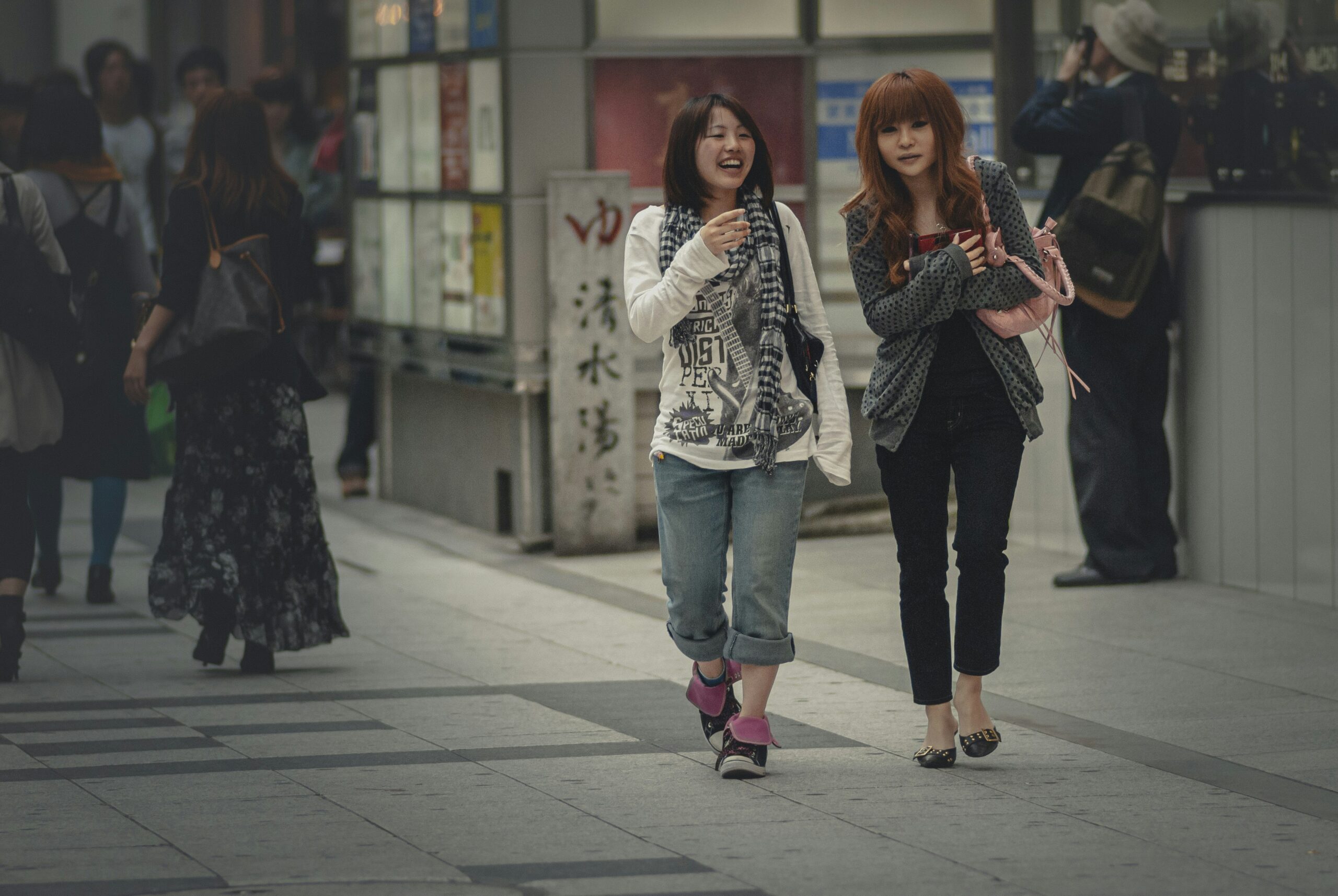
If you’ve been following Korean fashion, you’ll notice a dramatic departure from the sleek, minimalist looks that dominated recent years. Enter **할머니 옷장** (halmeoni otjang) – “grandmother’s closet” aesthetic, which is taking over Seoul’s trendy neighborhoods like Seongsu-dong and Yeonnam-dong.
This trend celebrates **빈티지** (bintiji) – vintage with a specifically Korean twist. We’re talking **한복** (hanbok) – traditional Korean clothing elements mixed with modern silhouettes, **조각보** (jogakbo) – traditional patchwork patterns on everyday items, and colors inspired by **오방색** (obangsaek) – the five traditional Korean colors.
Key vocabulary for this trend includes:
- 레트로 (reteuron) – retro (but specifically 1970s-90s Korean retro)
- 손맛 (sonmat) – “hand taste,” the unique quality of handmade items
- 물려받은 (mullyeobadeun) – handed down, inherited
- 새것보다 나은 헌것 (saegeotboda naeun heongeot) – “old things better than new ones”
Thrift shopping, called **중고 쇼핑** (junggo syoping), has lost its stigma completely. Instead, finding unique pieces at **벼룩시장** (byeoruksijang) – flea markets is now considered sophisticated and environmentally conscious. When someone compliments your outfit, responding with “벼룩시장에서 샀어요” (byeoruksijangeseo sasseoyo) – “I bought it at a flea market” earns major style points.
This cultural appreciation for the old and authentic extends to language learning too. More students are seeking traditional learning methods that honor Korean’s rich history while adapting to modern needs—something that platforms like uBitto understand by balancing AI technology with culturally grounded content.
What’s Officially Out: Hustle Culture and Its Language
Perhaps the most significant shift in 2026 is the rejection of **열정 페이** (yeoljeong pei) – “passion pay,” the toxic practice of expecting people to work for little compensation because they’re “passionate.” Korean society is collectively saying **이제 그만** (ije geuman) – “enough now” to unsustainable work culture.
The vocabulary of hustle culture is becoming passé:
- 야근 (yageun) – working late (now considered poor planning, not dedication)
- 워라밸 (worabaer) – work-life balance (being replaced by 삶라밸 (samrabaer) – “life-life balance,” acknowledging that work shouldn’t be balanced against life but integrated healthily)
- 자기계발 (jagigaebal) – self-development (when it means sacrificing mental health)
- 불금 (bulgeum) – “burning Friday,” partying hard after work (replaced by quiet self-care)
Instead, you’ll hear phrases like 나를 위한 시간 (nareul wihan sigan) – “time for myself” and 적당히 (jeokdanghi) – “moderately, appropriately” used without shame. The concept of **휴식도 실력이다** (hyusikdo sillyeogida) – “rest is also a skill” is gaining traction.
For educators and corporate trainers working with Korean learners, this cultural shift is crucial. Teaching methodologies that push students to exhaustion are no longer respected. Progressive language institutes and corporate programs now emphasize sustainable learning rhythms that respect learners’ wellbeing.
The New Social Currency: Mindful Experiences Over Material Things
Finally, 2026 is the year when **경험** (gyeongheom) – experiences definitively overtook **소유** (soyu) – ownership as the ultimate status symbol in Korea. This isn’t just about millennials choosing travel over homes (though housing prices help). It’s a fundamental rewiring of what Koreans consider valuable.
The hottest conversation topic isn’t “what did you buy?” but “what did you experience?” People are sharing stories about:
- 템플스테이 (tempeuleseutei) – temple stays and meditation retreats
- 로컬 투어 (rokeol tueo) – local neighborhood tours in their own city
- 클래스 문화 (keullaeseu munhwa) – class culture (taking workshops in pottery, fermentation, traditional crafts)
- 느림의 미학 (neurimui mihak) – the aesthetics of slowness
This trend has created new expressions like 오늘의 소확행 (oneurui sohwakhaeng) – “today’s small but certain happiness,” referring to tiny experiential moments that bring joy. The question “오늘 뭐 했어?” (oneul mwo haesseo?) – “What did you do today?” now expects answers about meaningful moments, not purchases or achievements.
For language learners, this cultural shift opens beautiful opportunities. Learning Korean becomes not just about acquiring a skill, but about experiencing a culture, connecting with people, and creating memories. Whether you’re exploring Korean through cultural experiences or structured study, the journey itself is the reward—a very 2026 Korean mindset.
Looking Forward: Riding the Wave of Change
As winter gives way to spring, these trends will continue evolving, but their core message remains clear: Korea in 2026 values **진정성** (jinjjeongseong) – authenticity, **균형** (gyunhyeong) – balance, and **의미** (uimi) – meaning over surface-level success metrics.
For Korean language learners, this cultural moment offers a unique advantage. You’re not just learning vocabulary—you’re acquiring the linguistic tools to engage with a society in meaningful transformation. The words you learn today reflect values that Koreans care deeply about right now.
So whether you’re scrolling through Korean social media, planning a trip to Seoul, or simply working through your daily language practice, remember that you’re connecting with a living, breathing culture that’s constantly redefining itself. And that’s exactly what makes learning Korean so endlessly fascinating.
Ready to deepen your understanding of contemporary Korean? The best way to stay current with these evolving trends is through consistent, culturally-grounded practice. Start exploring how modern Korean is actually spoken, written, and lived today. After all, the most valuable trend of 2026 might just be your own Korean language journey. **화이팅!** (Hwiting!) – You can do it!
Practice What You Learned
Try these interactive quizzes related to this topic:
[UBQ id = “231”]
[UBQ id = “86”]












Responses