
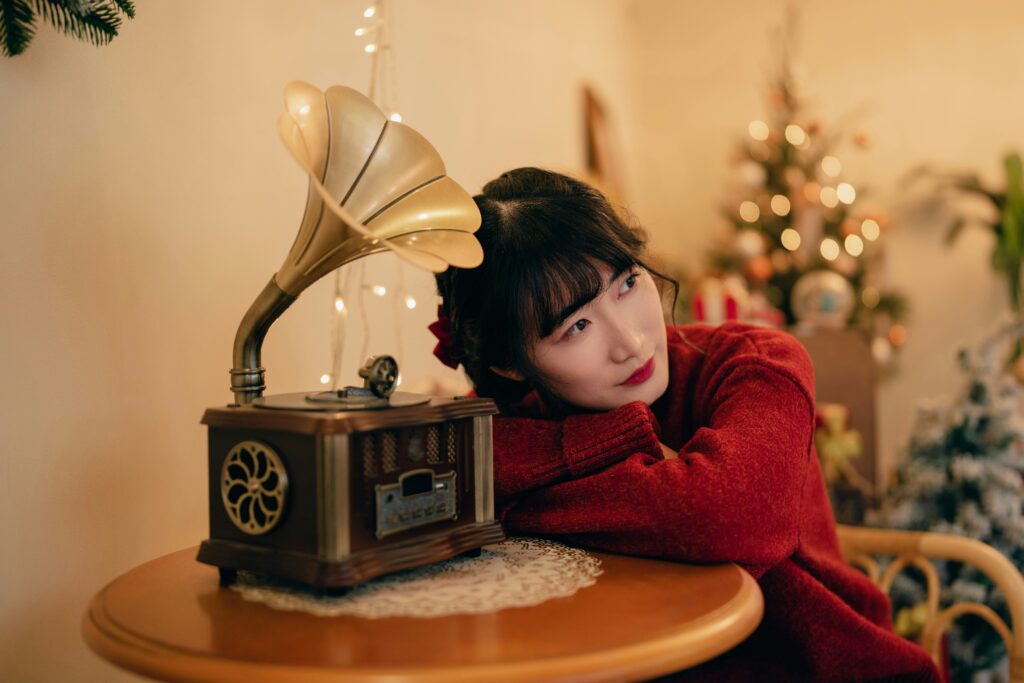
Korean Christmas Eve: Romantic Date Vocabulary

When the winter chill sets in and colorful lights begin to twinkle across Seoul’s streets, there’s an electric buzz in the air that has nothing to do with the cold. Christmas Eve in Korea isn’t just another holiday—it’s the romantic date night of the year. While Western countries might prioritize Christmas Day with family, Koreans have transformed Christmas Eve into a celebration of love, complete with couples flooding restaurants, cafes, and scenic spots throughout the city. Whether you’re planning your own Korean Christmas Eve date or simply want to understand this unique cultural phenomenon, mastering the right vocabulary will help you navigate this most romantic night of the year.

Understanding Christmas Eve Culture in Korea
Before diving into vocabulary, it’s essential to understand why Christmas Eve holds such romantic significance in Korean culture. Unlike many Western countries where Christmas is primarily a family holiday, 크리스마스 이브 (keuriseumaseu ibeu) – Christmas Eve has evolved into Korea’s version of Valentine’s Day—but bigger and more anticipated.
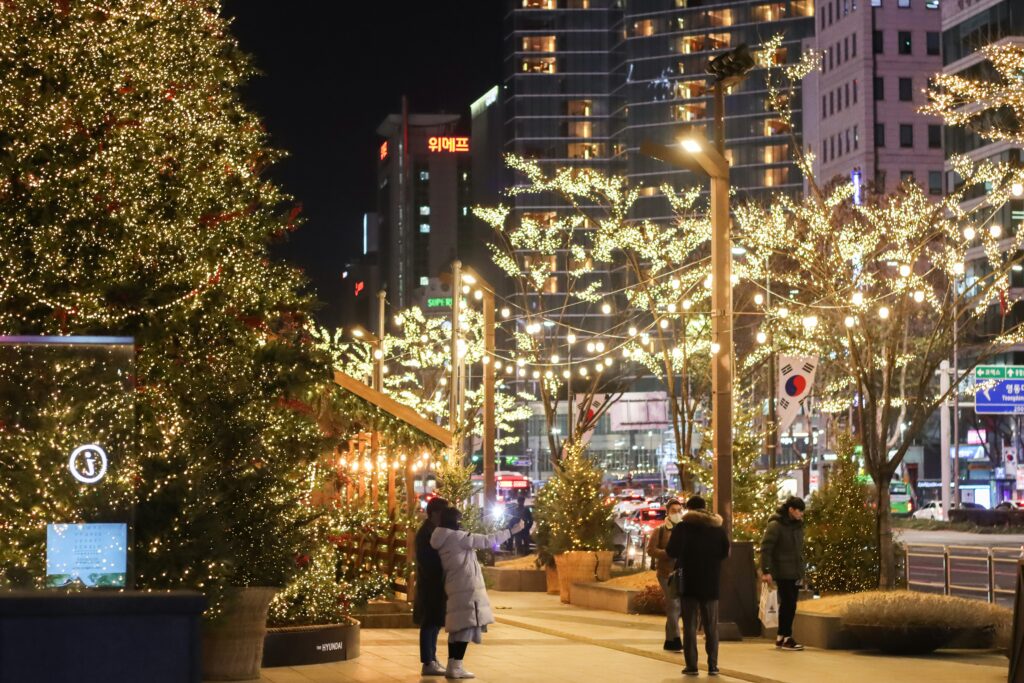
The streets of neighborhoods like Garosugil, Myeongdong, and Hongdae transform into winter wonderlands, and couples dress in coordinated outfits called 커플룩 (keopeulluk) – couple looks. Being single on Christmas Eve can actually be somewhat taboo, which has given rise to the term 솔로 (sollo) – solo/single person, often used self-deprecatingly during this season. Understanding these cultural nuances helps you appreciate why certain vocabulary carries extra weight during this special time.
For those learning Korean to connect with the culture more deeply, exploring seasonal vocabulary offers a perfect opportunity to understand not just the language, but the social fabric of Korean life. Platforms like uBitto recognize that language learning extends beyond textbooks—it’s about grasping the cultural moments that define a society.
Essential Date Planning Vocabulary
Planning the perfect Christmas Eve date requires specific vocabulary that you’ll hear constantly in the weeks leading up to December 24th:
- 예약 (yeyak) – reservation: This is perhaps the most crucial word you’ll need. Restaurants and cafes book up weeks in advance for Christmas Eve.
- 데이트 코스 (deiteu koseu) – date course: Koreans often plan sequential activities for dates, creating a “course” of events.
- 분위기 (bunwigi) – atmosphere/ambiance: A critical factor in choosing date locations.
- 야경 (yagyeong) – night view: Seoul’s nighttime cityscape is especially popular on Christmas Eve.
- 이벤트 (ibenteu) – event/surprise: Many people plan special surprises for their partners.
Example conversation:
“여보, 크리스마스 이브에 레스토랑 예약했어?” (Yeobo, keuriseumaseu ibeu-e reseutorang yeyakhaesseo?) – “Honey, did you make a restaurant reservation for Christmas Eve?”
“응, 한강 야경이 보이는 곳으로 예약했어. 분위기 좋을 거야!” (Eung, hangang yagyeong-i boineun goseuro yeyakhaesseo. Bunwigi joheul geoya!) – “Yes, I booked a place with a Han River night view. The atmosphere will be great!”
Romantic Expressions for the Special Night
Christmas Eve brings out Korea’s most romantic vocabulary. These expressions go beyond everyday conversation and enter territory reserved for special moments:
- 사랑해 (saranghae) – I love you: While used year-round, it carries extra weight on Christmas Eve.
- 평생 함께하자 (pyeongsaeng hamkkehaja) – Let’s be together forever: Christmas Eve is a popular time for proposals.
- 내 사랑 (nae sarang) – my love: A common term of endearment.
- 로맨틱하다 (romaentikada) – romantic: Used to describe settings, gestures, or moments.
- 설레다 (seolleda) – to flutter with excitement: Describes the butterflies-in-stomach feeling.
- 운명 (unmyeong) – destiny/fate: Often invoked during romantic moments.
Cultural note: Many Korean dramas feature Christmas Eve confession scenes or proposals, which has reinforced the holiday’s romantic associations. The phrase 고백하다 (gobaekada) – to confess one’s feelings, is particularly relevant, as Christmas Eve is considered an ideal time for romantic confessions.
Gift-Giving Vocabulary
No Christmas Eve date is complete without exchanging gifts. The Korean gift-giving culture during this time has its own linguistic landscape:
- 선물 (seonmul) – gift/present
- 커플링 (keopeulling) – couple rings: Extremely popular Christmas Eve gifts
- 향수 (hyangsu) – perfume: A classic romantic gift
- 꽃다발 (kkotdabal) – bouquet: Roses are especially popular
- 케이크 (keikeu) – cake: Christmas cakes are a major tradition
- 포장 (pojang) – wrapping: Presentation matters significantly
- 이벤트 선물 (ibenteu seonmul) – surprise gift
Example scenario:
“이거 크리스마스 선물이야. 포장이 예쁘지 않아서 미안해.” (Igeo keuriseumaseu seonmuriya. Pojang-i yeppeuji anaseo mianhae.) – “This is your Christmas present. Sorry the wrapping isn’t pretty.”
“아니야, 선물보다 네 마음이 더 중요해. 고마워!” (Aniya, seonmulboda ne ma-eum-i deo jungyohae. Gomawo!) – “No, your heart matters more than the gift. Thank you!”
Learning these contextual exchanges helps you understand not just words, but the emotional intelligence embedded in Korean communication. This is where AI-powered learning tools can make a real difference—being able to practice these nuanced conversations in realistic scenarios prepares you for actual interactions.
Location and Activity Vocabulary
Where you go on Christmas Eve matters enormously in Korean dating culture. Here’s the essential vocabulary for popular date locations and activities:
- 일루미네이션 (illumineisyeon) – illumination/light displays
- 스케이트장 (seukeiteujang) – ice skating rink: A classic Christmas date activity
- 호텔 뷔페 (hotel bwipe) – hotel buffet: Luxury hotel buffets are popular Christmas Eve destinations
- 루프탑 (rupeuttap) – rooftop: Rooftop bars and restaurants with city views
- 놀이공원 (norigongwon) – amusement park: Places like Everland or Lotte World go all out
- 성당 (seongdang) – cathedral: Some couples attend Christmas Eve mass
- 영화관 (yeonghwagwan) – movie theater: Late-night movie screenings are popular
- 찜질방 (jjimjilbang) – Korean spa: For more casual, unique dates
Popular date course example:
“우리 데이트 코스는 저녁에 한강 루프탑 레스토랑에서 식사하고, 그 다음에 청계천 일루미네이션 보러 가는 거야.” (Uri deiteu koseuneun jeonyeog-e hangang rupeuttap reseutorang-eseo siksahago, geu da-eume cheonggyecheon illumineisyeon boreo ganeun geoya.) – “Our date course is dinner at a Han River rooftop restaurant, then going to see the Cheonggyecheon illumination.”
Overcoming Christmas Eve Dating Challenges
Not everything goes perfectly on the most anticipated date night of the year. Here’s vocabulary for common challenges:
- 예약 취소 (yeyak chwiso) – reservation cancellation
- 대기 (daegi) – waiting/queue
- 매진 (maejin) – sold out
- 교통 체증 (gyotong chejeung) – traffic jam
- 추위 (chuwi) – cold weather
- 플랜 B (peullaen B) – Plan B
Handling disappointment with grace:
“미안해, 예약이 취소됐대. 플랜 B로 가야 할 것 같아.” (Mianhae, yeyak-i chwisowaetdae. Peullaen B-ro gaya hal geot gata.) – “Sorry, they cancelled our reservation. I think we need to go with Plan B.”
“괜찮아! 너랑 함께 있으면 어디든 좋아.” (Gwaenchanha! Neorang hamkke isseumyeon eodideun joa.) – “It’s okay! Anywhere is good as long as I’m with you.”
These conversational patterns demonstrate the importance of context in Korean language learning. Understanding how to navigate disappointment gracefully is as important as celebrating success. For educators teaching Korean, incorporating these real-life scenarios helps students develop practical communication skills. Resources like uBitto’s educator tools can help create lesson plans around authentic cultural moments like Christmas Eve dating.
Embracing the Korean Christmas Spirit
Whether you’re celebrating Christmas Eve with a romantic partner in Seoul or simply appreciating Korean culture from afar, understanding this vocabulary enriches your connection to the language. The romantic traditions surrounding 크리스마스 이브 reflect broader Korean values: the importance of creating memorable experiences, attention to aesthetic details, and the courage to express feelings openly during special moments.
For Korean language learners, seasonal vocabulary like this offers something textbooks often miss—the living, breathing culture that gives words their true meaning. When you understand that 분위기 (atmosphere) isn’t just about physical surroundings but encompasses the entire emotional experience of a moment, or that 데이트 코스 (date course) reflects Korean culture’s love of thoughtful planning, you’re not just learning vocabulary—you’re gaining cultural fluency.
As you continue your Korean language journey, remember that every holiday and cultural event offers new linguistic territory to explore. From the romantic vocabulary of Christmas Eve to the family-focused expressions of Chuseok, each season brings its own lexical richness. The key is approaching learning with curiosity about not just what words mean, but why they matter in Korean life.
This Christmas Eve, whether you’re confidently making 예약 (reservations) at a trendy Seoul restaurant, or simply enjoying the 분위기 (atmosphere) of Korean Christmas content online, you now have the vocabulary to fully appreciate Korea’s most romantic night of the year. And who knows? Maybe you’ll find yourself planning your own 데이트 코스 and creating memories that will have you 설레는 (fluttering with excitement) for Christmases to come.
Ready to deepen your Korean language skills beyond seasonal vocabulary? Explore uBitto’s comprehensive Korean learning resources that combine cultural insights with practical language instruction. Whether you’re a learner looking to master conversational Korean or an educator seeking innovative teaching tools, understanding the language through cultural moments like Christmas Eve makes learning both meaningful and memorable. Start your journey toward Korean fluency today—because the best time to begin is always now, whether it’s Christmas Eve or any other day of the year.
메리 크리스마스! (Meri keuriseumaseu!) – Merry Christmas!













Responses