

7 Things to Know Before Moving to Korea

Winter in Korea is magical—the streets sparkle with festive lights, steam rises from street food stalls, and the promise of cozy cafes beckons on every corner. But if you’re considering making Korea your home, there’s more to prepare for than just bundling up against the cold. Moving to the Land of the Morning Calm is an exciting adventure, but like any major life change, it comes with its own set of surprises and adjustments. Whether you’re drawn by career opportunities, educational pursuits, or simply the allure of Korean culture, understanding what awaits you will make your transition smoother and more enjoyable.
Let’s dive into seven essential things you need to know before packing your bags for Korea.
1. Navigating the Korean Housing System
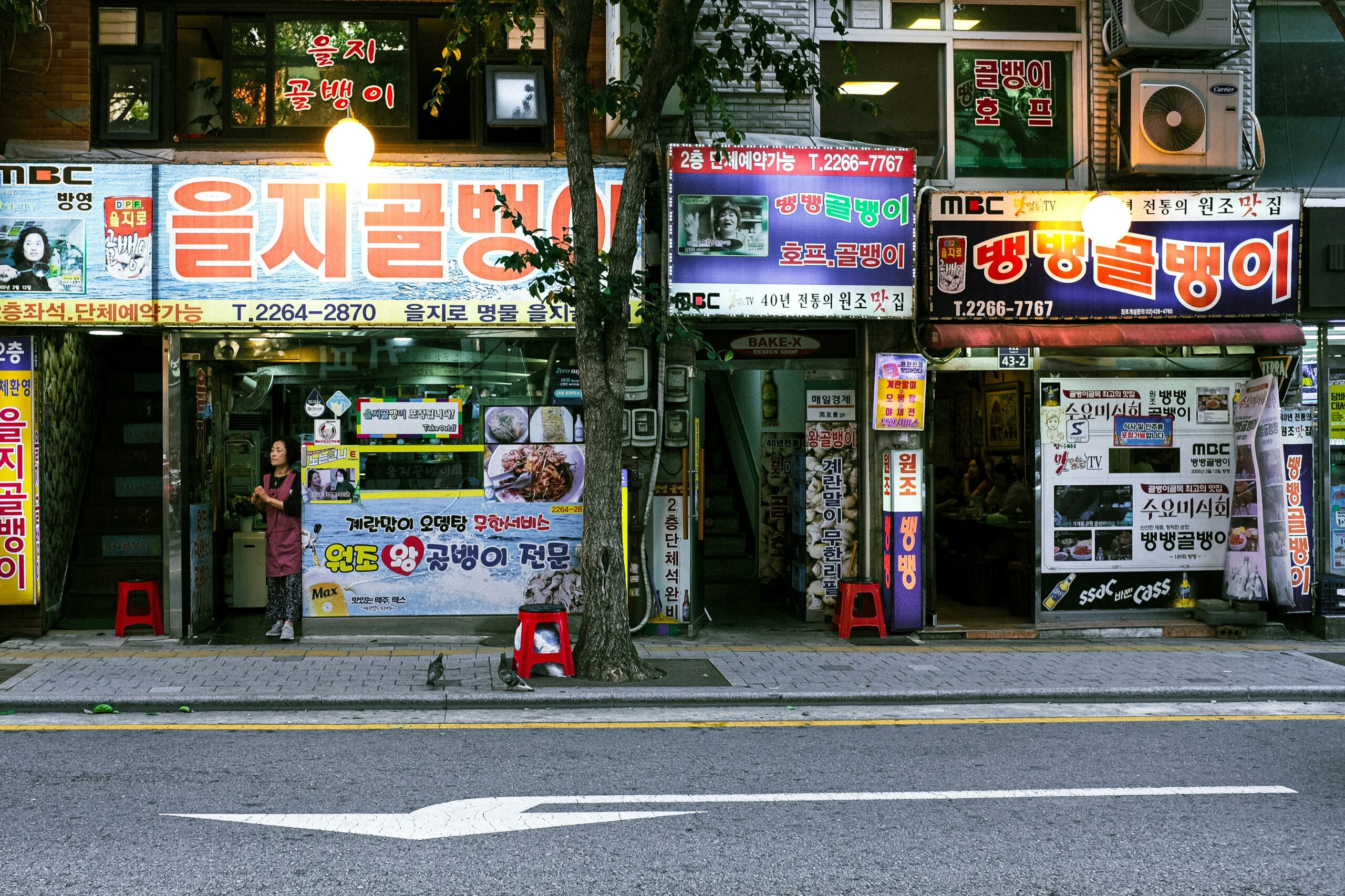
The Korean rental system can be bewildering for newcomers, operating quite differently from Western housing markets. You’ll encounter unique terms like 전세 (jeonse) – a key money deposit system, and 월세 (wolse) – monthly rent, but these concepts go deeper than simple translations suggest.
Jeonse is a uniquely Korean housing arrangement where tenants provide a large lump sum deposit (often 50-80% of the property’s value) to the landlord, who returns it in full at the end of the lease—typically two years. During this period, you pay no monthly rent. The landlord invests your deposit and keeps the returns as their profit. While this system can save you thousands in rent, gathering the substantial deposit (often $100,000-$300,000 in Seoul) poses a significant challenge for newcomers.
Wolse, more familiar to international residents, involves a smaller deposit and monthly rent payments. Most expats opt for this arrangement, with deposits ranging from a few thousand to tens of thousands of dollars, plus monthly payments of $500-$2,000 depending on location and size.
Pro tip: Start your search in areas popular with expats like Itaewon, Hannam-dong, or near your workplace. Many landlords in these neighborhoods have experience with foreign tenants and may be more flexible. The website 직방 (Jikbang) – direct room, is Korea’s most popular real estate app, though you’ll need Korean language skills or a Korean-speaking friend to navigate it effectively.
2. Understanding the Language Learning Journey
While many young Koreans study English in school, everyday life in Korea requires at least basic Korean language skills. Signs, menus, government documents, and most daily interactions happen primarily in Korean. The encouraging news? Korean is more approachable than you might think.
The Korean alphabet, 한글 (Hangeul) – Korean script, is logical and can be learned in just a few hours. King Sejong the Great designed it in the 15th century specifically to be easy to learn, and you’ll find this royal claim holds true. Within a week of dedicated study, you’ll be reading Korean text (even if you don’t understand the meanings yet).
Essential survival phrases to master immediately include 얼마예요? (eolmayeyo?) – How much is it?, 여기요 (yeogiyo) – Excuse me/Over here (for calling staff), and 주세요 (juseyo) – Please give me. These three phrases alone will dramatically improve your daily life experience.
If you’re serious about making Korea your home, investing time in structured language learning pays enormous dividends. Modern technology has made this easier than ever—platforms like uBitto offer AI-powered Korean learning that adapts to your pace and learning style, helping you progress from survival phrases to conversational fluency. The ability to communicate even at an intermediate level opens doors to deeper friendships, better job opportunities, and a richer cultural experience.
3. Mastering Korean Social Etiquette and Hierarchy

Korean society operates on Confucian principles that emphasize respect for hierarchy based on age, position, and social relationships. Understanding 예의 (ye-ui) – etiquette/manners, isn’t just about being polite—it’s fundamental to building meaningful relationships and avoiding unintentional offense.
Age matters significantly in Korean interactions. Upon meeting, Koreans often ask 몇 살이에요? (myeot sarieyo?) – How old are you? This isn’t rudeness—they’re establishing the social hierarchy to determine appropriate speech levels and behavior. Once age is established, the older person becomes 형 (hyeong) – older brother (male to male), 오빠 (oppa) – older brother (female to male), 언니 (eonni) – older sister (female to female), or 누나 (nuna) – older sister (male to female), creating a framework for the relationship.
Drinking culture in Korea has its own elaborate etiquette. Always pour drinks for others, never for yourself. When receiving a drink from an elder or superior, hold your glass with both hands and turn slightly away when drinking as a sign of respect. The phrase 건배 (geonbae) – cheers, often precedes group drinking, and refusing a drink from a superior can be seen as disrespectful, though attitudes are gradually modernizing.
Bowing remains the standard greeting, with depth indicating respect level. A slight nod suffices for peers, while a deeper bow shows respect to elders or superiors. When receiving or giving items, especially to elders, use both hands—this small gesture carries significant weight.
4. Dealing with Practical Administrative Tasks
Korea’s efficiency is impressive once you understand the systems, but initial bureaucratic navigation can feel overwhelming. Your first major task upon arrival is registering your address at your local 구청 (gucheong) – district office, within 90 days of securing housing.
The 외국인 등록증 (oegugin deungrokjeung) – Alien Registration Card (ARC), is your golden ticket to functioning in Korean society. You’ll need this ID card for everything from opening bank accounts to signing up for gym memberships. Apply at your local immigration office within 90 days of arrival if staying longer than 90 days. The process requires your passport, visa, one passport photo, application form, and the registration fee (around 30,000 won).
Opening a Korean bank account is essential but requires your ARC, so it’ll be one of your first post-ARC tasks. Major banks like Shinhan, Woori, and KB Kookmin have English-speaking staff in larger branches. You’ll need your ARC, passport, and proof of address. Korean banking apps are remarkably sophisticated, allowing you to transfer money, pay bills, and even invest with a few taps.
Getting a Korean phone number is relatively straightforward at carriers like SK Telecom, KT, or LG U+. Major carrier stores in expat-heavy areas have English-speaking staff. Your phone number becomes tied to virtually everything in Korea—messaging (KakaoTalk), payments (KakaoPay, Naver Pay), and even food delivery apps.
5. Embracing Korean Work Culture

If you’re moving to Korea for work, understanding workplace culture prevents culture shock and career missteps. Korean work culture traditionally emphasized long hours and strong hierarchy, though significant changes are underway, especially in younger companies and startups.
The concept of 회식 (hoesik) – company dinner/gathering, extends work relationships beyond office hours. These after-work gatherings, often involving several rounds of food and drinks, serve as crucial team-building and networking opportunities. While mandatory hoesik is becoming less common, attendance still matters for relationship-building and can impact how you’re perceived by colleagues and superiors.
Addressing colleagues correctly is crucial. Use 님 (nim) – an honorific suffix, after names or titles: “Kim 과장님” (Kim gwajangnim) – Manager Kim. First names are reserved for close friends or family, so stick with family names plus titles in professional settings unless explicitly told otherwise.
The work-life balance is gradually improving, especially after the government imposed a 52-hour maximum work week in 2018. However, expectations vary dramatically by industry and company. Tech startups and multinational corporations typically offer more flexibility than traditional Korean conglomerates (재벌 – jaebeol).
For those looking to work in education, particularly teaching Korean or working with language learners, modern educational technology platforms are creating new opportunities that offer more flexibility than traditional teaching positions while still allowing meaningful cultural exchange and impact.
6. Preparing for Healthcare and Insurance
Korea’s healthcare system is excellent, affordable, and efficient—one of the country’s greatest advantages. The National Health Insurance (국민건강보험 – gukmin geongang boheom) is mandatory for all residents and covers most medical needs at a fraction of Western costs.
Once employed or registered as a resident, you’ll automatically be enrolled in the national health insurance system. Monthly premiums are typically income-based, averaging around 50,000-150,000 won for most expats, with your employer covering half if you’re employed.
Doctor visits cost anywhere from 5,000-20,000 won with insurance, and prescriptions are similarly affordable. Korea has an impressive concentration of medical facilities—finding a 병원 (byeongwon) – hospital, or 약국 (yakguk) – pharmacy, is never difficult, especially in cities.
For English-speaking medical care, Seoul has several international clinics and many doctors who studied abroad and speak English well. Apps like KakaoMap include hospital search features with reviews and specialty information.
7. Understanding the Cost of Living
Korea’s living costs vary dramatically by location and lifestyle, but generally offer good value, especially compared to other developed Asian cities like Tokyo or Hong Kong. Seoul is the most expensive, with costs dropping significantly in other cities like Busan, Daegu, or Gwangju.
Expect to budget approximately 1,500,000-3,000,000 won monthly for a comfortable lifestyle in Seoul, including rent for a studio apartment, food, transportation, and entertainment. Outside Seoul, 1,000,000-2,000,000 won might suffice.
Transportation is affordable and excellent. A single subway or bus ride costs 1,250 won with a 교통카드 (gyotong kadeu) – transportation card, and Korea’s public transit system is clean, efficient, and extensive. Taxis are also reasonably priced, with base fares around 3,800 won.
Food costs vary widely. A meal at a 김밥천국 (gimbap cheonguk) – inexpensive Korean chain restaurant, costs 4,000-7,000 won, while dinner at a nice restaurant might run 15,000-30,000 won per person. Korean grocery stores offer excellent value, though imported goods carry premium prices.
Ready for Your Korean Adventure?
Moving to Korea is a life-changing experience that offers remarkable opportunities for personal growth, career development, and cultural immersion. While the adjustment period comes with challenges—from navigating unfamiliar systems to bridging language gaps—the rewards of living in this dynamic, safe, and culturally rich country far outweigh the initial discomforts.
The key to a successful transition is preparation and open-mindedness. Learn at least basic Korean before arriving (and commit to continuous improvement once there). Research your housing options thoroughly. Build relationships with both expats who’ve walked this path and Korean friends who can guide you through cultural nuances. Stay patient with yourself as you adapt.
Winter might seem like a challenging time to start this new chapter, but there’s something special about experiencing your first Korean winter—the 찜질방 (jjimjilbang) – Korean spa, sessions, the warming 붕어빵 (bungeoppang) – fish-shaped pastry, from street vendors, and the festive atmosphere that pervades the cold months.
Whether you’re moving to Korea for a year or planning to stay long-term, investing in language skills and cultural understanding will transform your experience from that of an outsider looking in to becoming part of the community. Modern learning tools and AI-powered platforms make it easier than ever to build these skills at your own pace, setting you up for success in your new home.
Are you ready to take the leap? Korea is waiting with open arms, delicious food, incredible experiences, and opportunities you haven’t even imagined yet. Your adventure begins now—화이팅! (hwaiting!) – You can do it!













Responses