
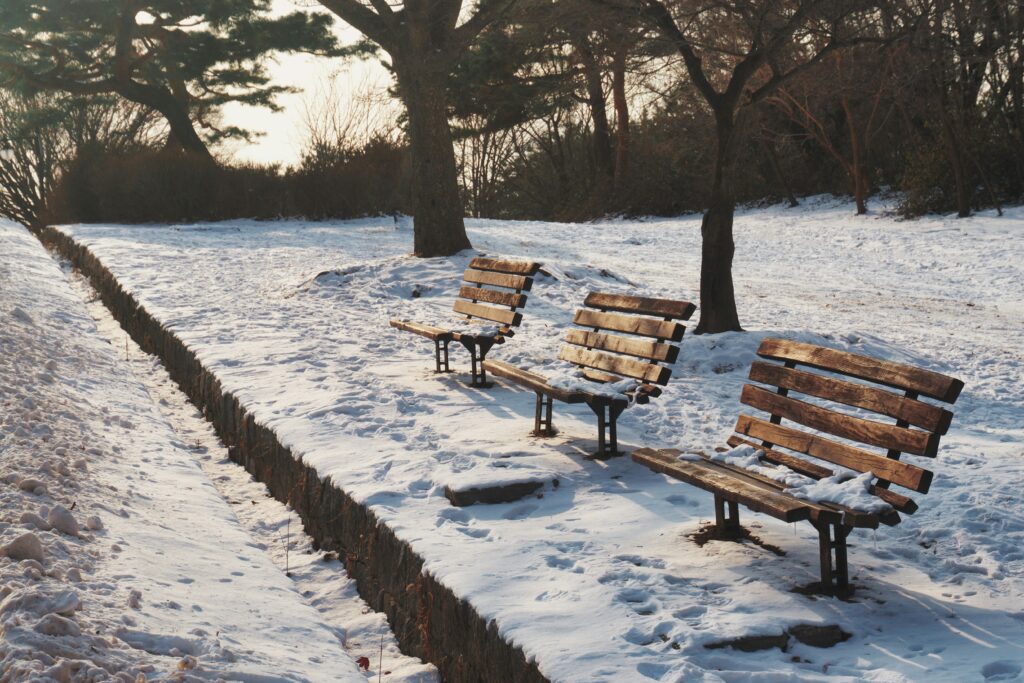
Korean Winter Travel: Snowy Destinations Vocabulary

There's something magical about Korea in winter. As the first snowflakes begin to fall, the entire country transforms into a wonderland of white-capped mountains, frozen waterfalls, and cozy hot spring villages. Whether you're planning your first winter trip to Korea or dreaming of snowy adventures from afar, knowing the right Korean vocabulary will help you navigate these breathtaking destinations and connect more deeply with the seasonal beauty. Let's explore Korea's most stunning winter destinations while building your travel vocabulary!
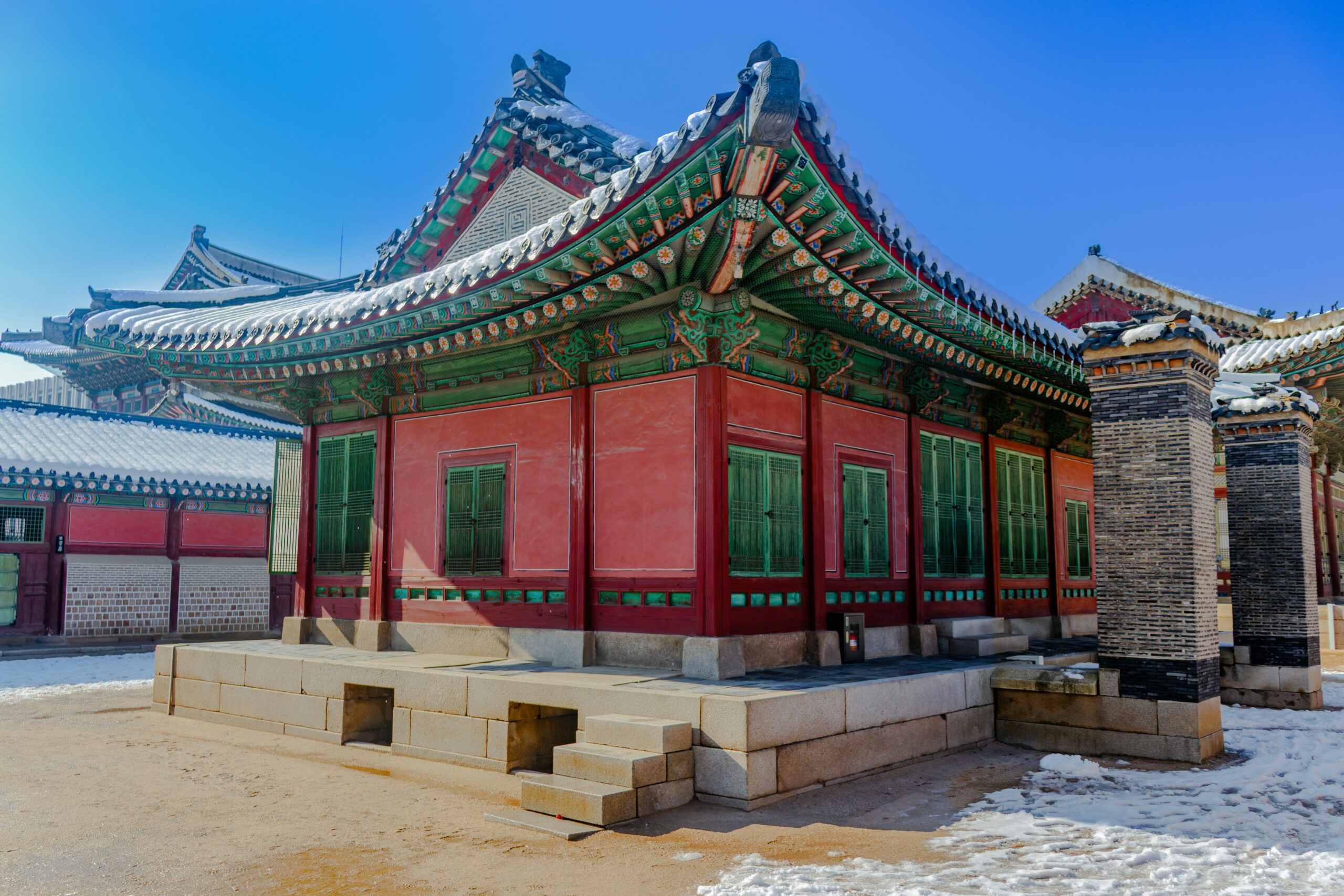
Mountain Wonderlands: Vocabulary for Korea's Snowy Peaks
Korea's mountains take on an entirely different character in winter, with snow-covered peaks offering some of the most spectacular views in the country. These destinations attract both skiers and hikers looking for winter adventures.
설악산 (Seoraksan) – Seorak Mountain
One of Korea's most famous mountains, Seoraksan becomes a winter paradise with its dramatic rocky peaks dusted with snow. Located in Gangwon Province, it's a must-visit destination for winter travelers.
스키장 (seukijang) – ski resort
Korea boasts world-class ski resorts, many of which hosted events during the 2018 PyeongChang Winter Olympics. Popular resorts include Yongpyong, Phoenix Park, and Vivaldi Park.
케이블카 (keibeulka) – cable car
If hiking in deep snow isn't your style, cable cars offer an easier way to reach mountain viewpoints. Example: “설악산 케이블카를 타고 싶어요” (Seoraksan keibeulkareul tago sipeoyo) – I want to ride the Seorak Mountain cable car.
곤돌라 (gondolla) – gondola
Many ski resorts use gondolas to transport visitors up the slopes. These enclosed lifts protect you from the winter wind while offering stunning views.
정상 (jeongsang) – summit/peak
Reaching the summit of a snow-covered mountain is incredibly rewarding. You might hear: “정상까지 얼마나 걸려요?” (Jeongsangkkaji eolmana geollyeoyo?) – How long does it take to get to the summit?
설경 (seolgyeong) – snow scenery
This beautiful word describes snowy landscapes and is perfect for capturing the essence of winter mountain views. Koreans often use this word when sharing winter photos on social media.
Coastal Winter Magic: Frozen Beaches and Ocean Views
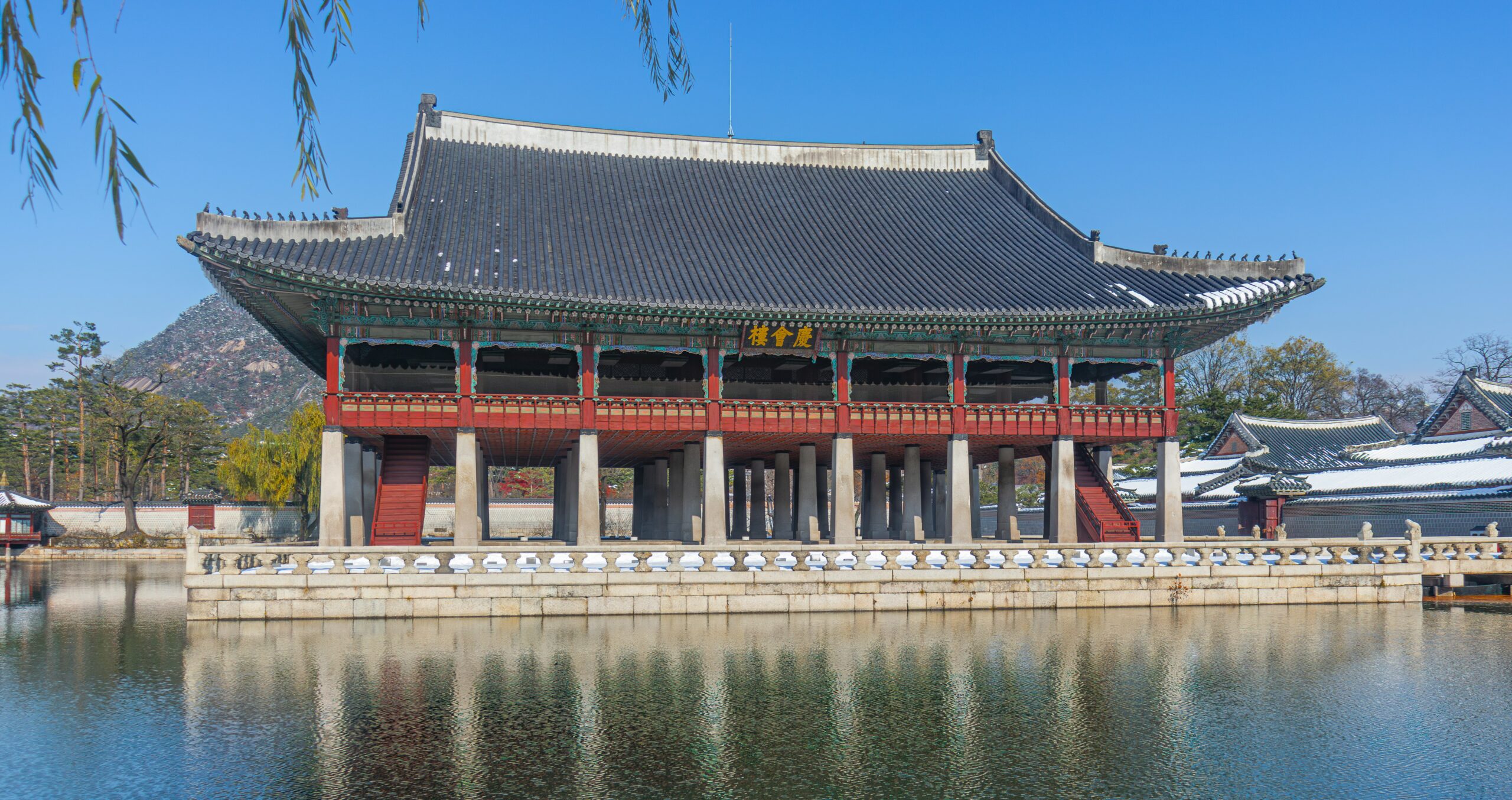
While beaches are typically associated with summer, Korea's east coast offers unique winter experiences that draw visitors seeking a different kind of seaside beauty.
동해 (Donghae) – East Sea
The East Sea (also known as the Sea of Japan internationally) provides a stunning backdrop for winter travel, especially for watching the first sunrise of the new year.
해돋이 (haedoji) – sunrise
Watching the sunrise over the East Sea is a beloved Korean tradition, especially on New Year's Day. Popular spots include Jeongdongjin Beach and Homigot.
등대 (deungdae) – lighthouse
Many coastal lighthouses become picture-perfect spots in winter, surrounded by snow and ice with crashing waves in the background.
겨울 바다 (gyeoul bada) – winter sea
The concept of “winter sea” holds special meaning in Korean culture, representing both the harsh beauty of nature and contemplative solitude.
방파제 (bangpaje) – breakwater
These coastal structures often become coated in ice during winter, creating dramatic natural sculptures that photographers love.
Understanding these terms becomes much easier when you're immersed in learning contexts. If you're serious about building your Korean vocabulary for travel or daily life, uBitto's learning platform offers practical, context-based lessons that go beyond textbook phrases to help you communicate naturally in real situations.
Hot Spring Havens: Warming Up in Winter
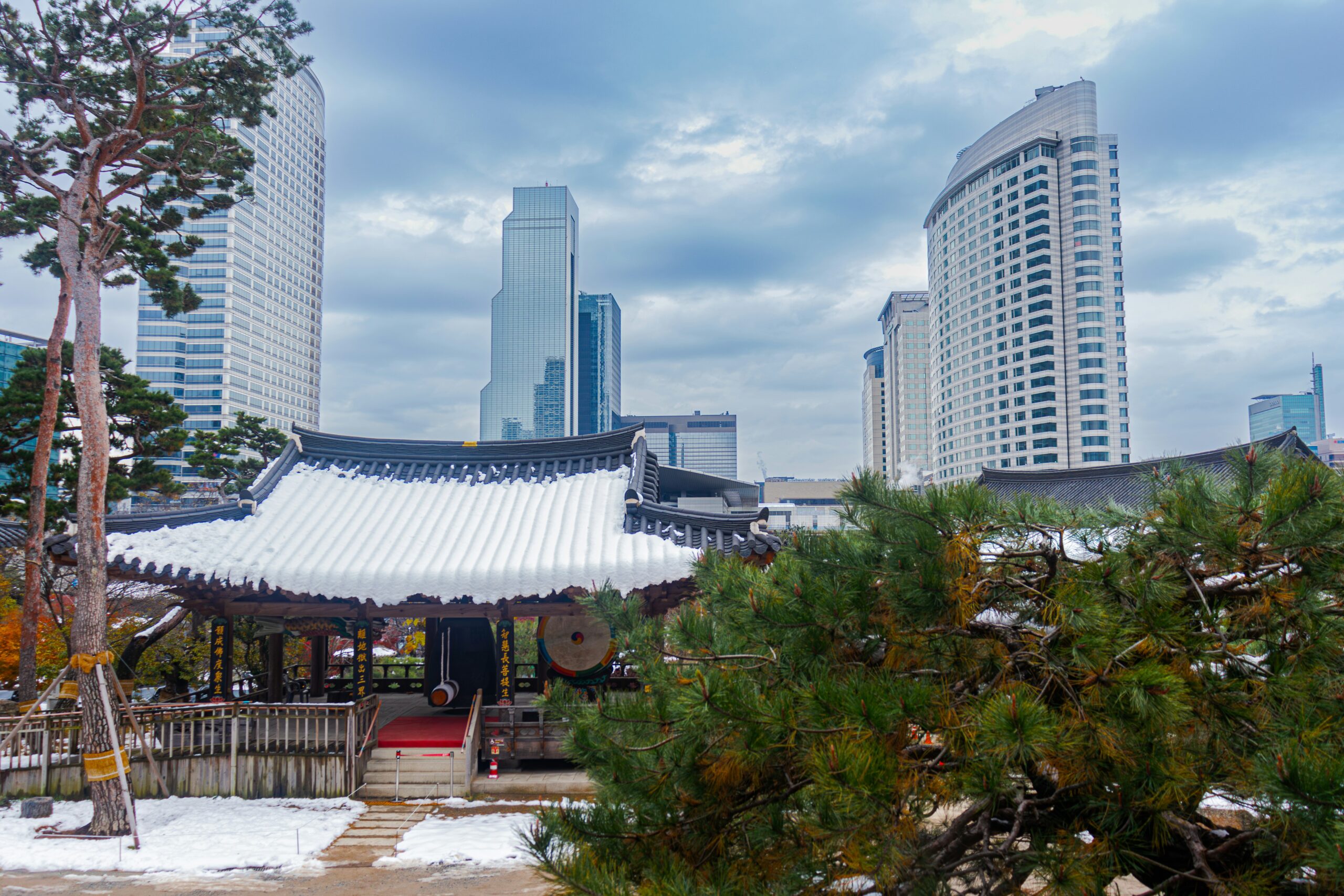
After a day exploring snowy landscapes, nothing beats soaking in a natural hot spring. Korea has numerous hot spring destinations perfect for winter relaxation.
온천 (onjeon) – hot spring
Natural hot springs are abundant in Korea, with entire towns built around these geothermal waters. Popular hot spring destinations include Busan's Dongnae area, Asan, and Icheon.
노천탕 (nocheontang) – outdoor bath
The ultimate winter luxury is soaking in an outdoor hot spring bath while snowflakes fall around you. Many Korean resorts offer this unique experience.
찜질방 (jjimjilbang) – Korean spa/bathhouse
While not always hot spring-fed, these 24-hour facilities are beloved winter hangouts offering various temperature rooms, saunas, and sleeping areas.
한증막 (hanjeungmak) – steam room
Traditional Korean steam rooms, often dome-shaped and heated with clay or jade, are perfect for warming up after winter activities.
수건 (geon) – towel
Essential vocabulary for any spa visit. Small towels are provided for modesty in bathing areas, while larger ones can usually be rented.
탈의실 (taruisil) – changing room/locker room
Knowing where to find the changing rooms is crucial: “탈의실이 어디예요?” (Taruisiri eodiyeyo?) – Where is the changing room?
온천욕 (onjeonyugk) – hot spring bathing
This term refers to the act of bathing in hot springs, which is considered therapeutic in Korean culture.
Winter Festivals and Ice Activities
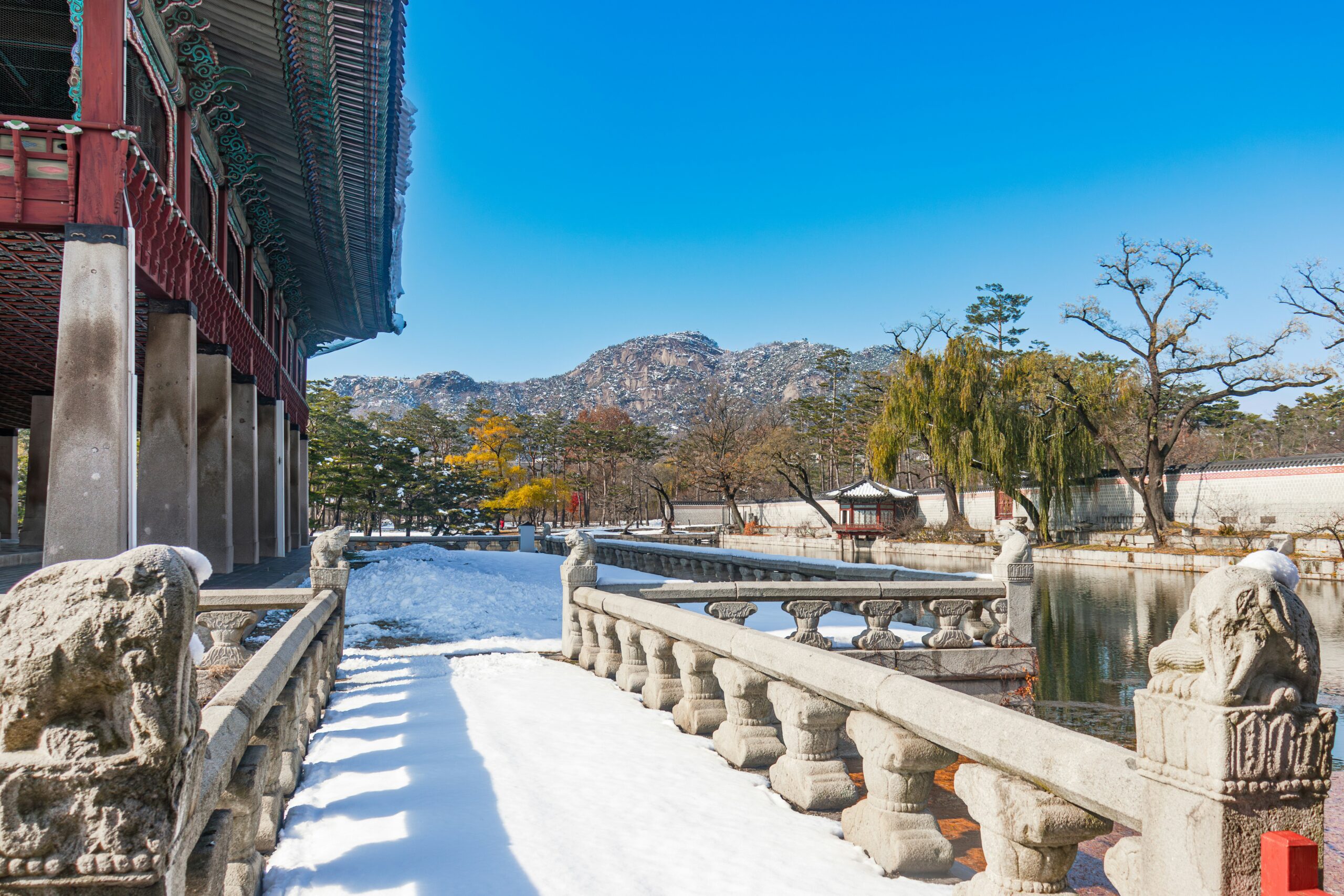
Korea celebrates winter with numerous festivals featuring ice sculptures, fishing, and unique seasonal activities that you won't find anywhere else.
얼음 축제 (eoreum chukje) – ice festival
Winter festivals are held across Korea, with the Hwacheon Sancheoneo Ice Festival being one of the most famous, attracting over a million visitors annually.
빙어 (bingeo) – smelt (ice fish)
These small fish are caught through ice fishing and are a winter delicacy. At festivals, you can catch them yourself and have them prepared fresh.
얼음낚시 (eoreumnaksi) – ice fishing
A quintessential Korean winter activity where you sit on frozen rivers or lakes and fish through holes in the ice.
눈썰매 (nunsseolmae) – snow sledding
Many ski resorts and parks offer sledding hills perfect for families and beginners who aren't ready for skiing.
빙어축제 (bingeo chukje) – ice fish festival
These festivals combine ice fishing with various winter activities, traditional performances, and lots of food stalls.
얼음조각 (eoreumjogak) – ice sculpture
Elaborate ice sculptures are centerpieces at many winter festivals, illuminated with colorful lights at night.
눈사람 (nunsaram) – snowman
Building snowmen is universal, but in Korea, you'll often see creative variations at winter festivals and in parks.
겨울왕국 (gyeoul wangguk) – winter kingdom
This phrase (literally “winter kingdom”) is used to describe particularly beautiful winter wonderlands and was also the Korean title for Disney's “Frozen.”
Winter Travel Essentials: Practical Vocabulary
Beyond destination names and activities, these practical terms will help you navigate your winter Korean adventure smoothly.
방한복 (banghanbuk) – winter clothing
Proper winter wear is essential. This term encompasses all types of cold-weather clothing.
패딩 (paeding) – padded jacket/puffer jacket
The most common winter outerwear in Korea, you'll see everyone from students to office workers wearing these puffy jackets.
핫팩 (hatpaek) – hand warmer
These disposable heat packs are sold everywhere in winter and are lifesavers during outdoor activities. You can ask: “핫팩 있어요?” (Hatpaek isseoyo?) – Do you have hand warmers?
눈길 (nungil) – snowy road
Important for safety: “눈길 조심하세요” (Nungil josimhaseyo) – Be careful on the snowy roads.
폭설 (pokseol) – heavy snowfall
Weather reports often use this term when significant snow is expected.
체인 (chein) – tire chains
If you're renting a car for winter mountain travel, you might need these.
난방 (nanbang) – heating
Essential vocabulary when checking into accommodations: “난방이 안 돼요” (Nanbangi an dwaeyo) – The heating isn't working.
온돌 (ondol) – Korean floor heating
Traditional underfloor heating that keeps Korean homes cozy in winter. Sleeping on a warm ondol floor is a uniquely Korean experience.
Mastering vocabulary like this requires consistent practice and real-world application. Whether you're a student preparing for travel or an educator helping others learn Korean, having the right tools makes all the difference. uBitto offers AI-powered learning experiences that adapt to your needs, making Korean vocabulary stick through practical, memorable contexts rather than simple memorization.
Making the Most of Your Winter Korean Journey
Winter in Korea offers experiences you simply can't have any other season—from the crunch of fresh snow under your feet at Seoraksan to the steam rising from outdoor hot springs against a backdrop of frozen trees, to the excitement of catching your first ice fish at a winter festival. Each of these moments becomes richer when you can communicate with locals, read signs independently, and understand the cultural significance behind what you're experiencing.
The vocabulary you've learned today goes beyond simple translations. These words carry with them the essence of Korean winter culture—the joy of gathering at a jjimjilbang after a cold day, the meditative quality of watching the winter sea, the communal excitement of ice festivals. When you use these terms, you're not just speaking Korean; you're connecting with centuries of winter traditions and contemporary seasonal celebrations.
As you plan your winter Korean adventure or continue your language learning journey, remember that vocabulary is most powerful when learned in context. The words stick better when you associate them with experiences, images, and emotions rather than flashcards alone. Whether you're learning for travel, work, or personal enrichment, embracing seasonal vocabulary like this helps you think in Korean rather than simply translating.
So bundle up, practice your new vocabulary, and get ready to explore Korea's winter wonderland. The mountains are calling, the hot springs are steaming, and the ice festivals are waiting. With these words in your linguistic toolkit, you're ready to not just visit Korea in winter, but to truly experience it. Stay warm, stay curious, and keep learning—겨울을 즐기세요! (gyeoul-eul jeulgiseyo – Enjoy winter!)







Responses