
Top 11 Korean Street Foods You MUST Try (Ranked by Locals)

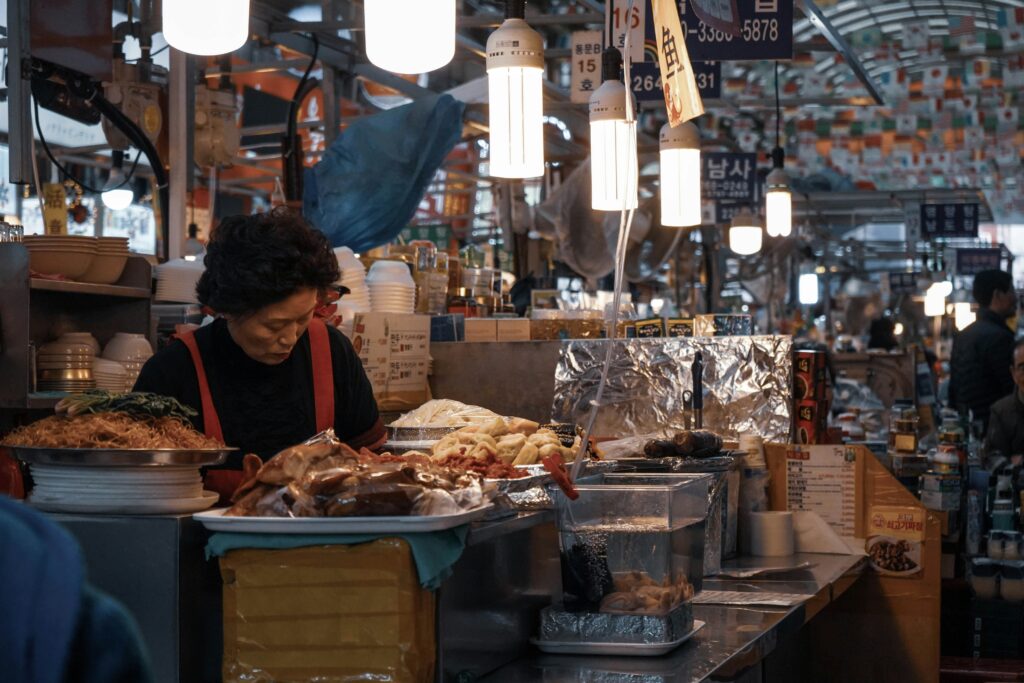
Picture this: You’re wandering through the vibrant streets of Seoul on a chilly evening, steam rising from food carts at every corner, the air filled with tantalizing aromas of sizzling meat, spicy rice cakes, and sweet pancakes. As the temperature drops, Korean street food becomes more than just a snack—it’s a warm hug in food form, a cultural experience, and a language lesson all rolled into one delicious bite.
Whether you’re planning your first trip to Korea or already exploring the bustling markets of Myeongdong and Hongdae, knowing what to order (and how to order it in Korean!) can transform your street food adventure. We’ve ranked the top 11 Korean street foods based on what locals actually crave during the cold season—not just what tourists photograph the most.
The Reigning Champions: Korea’s Most Beloved Street Snacks
떡볶이 (tteokbokki) – spicy stir-fried rice cakes
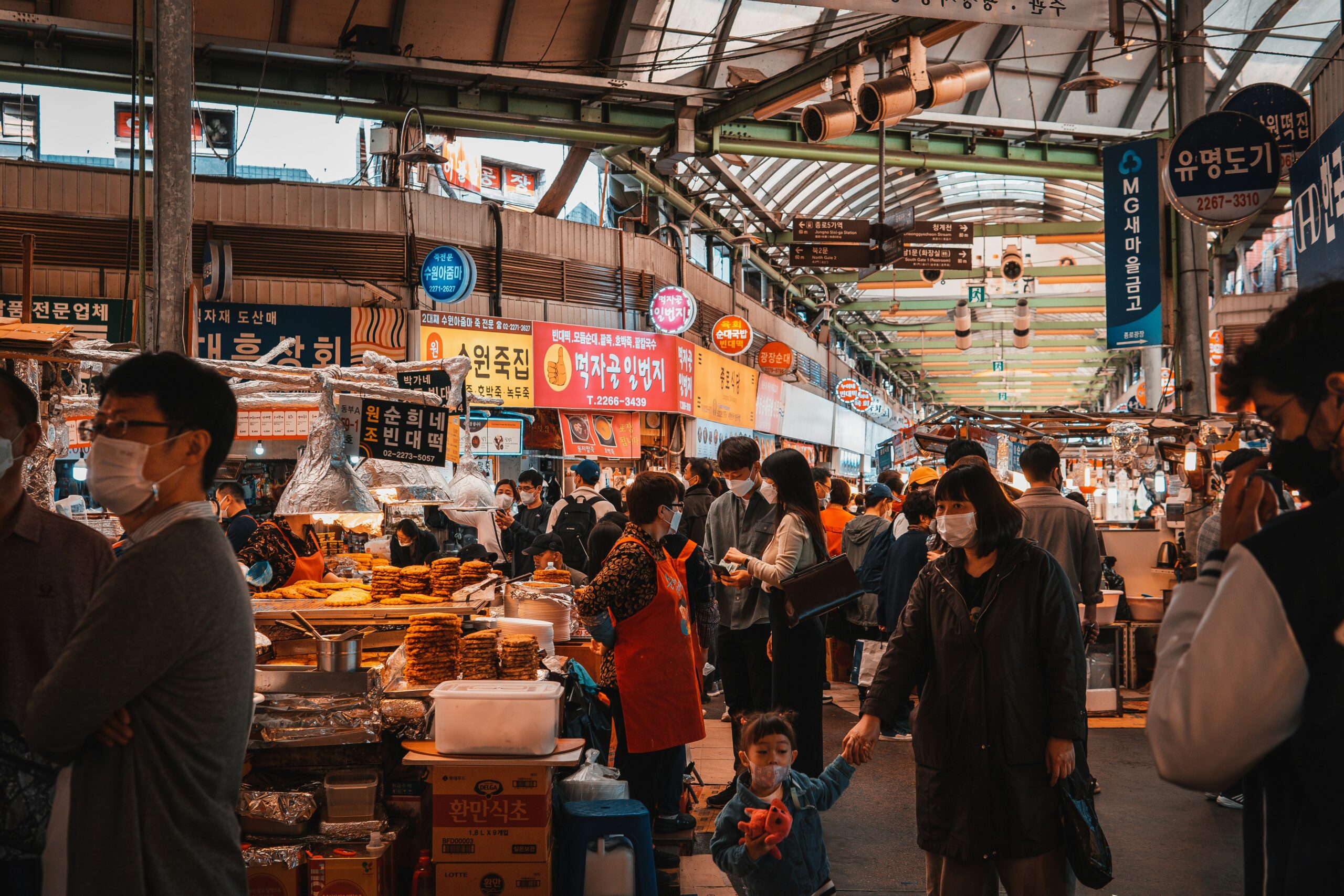
Claiming the number one spot is 떡볶이, and for good reason. These chewy cylinder-shaped rice cakes swimming in a vibrant red, sweet-spicy sauce are the ultimate Korean comfort food. On a cold day, locals huddle around street vendors, eating straight from the communal pan with toothpicks, bonding over the shared spice-induced tears and laughter.
The secret to perfect tteokbokki lies in the sauce—a magical combination of 고추장 (gochujang, Korean red chili paste), sugar, and 어묵 (eomuk, fish cake) broth. Most vendors add fish cakes, boiled eggs, and 만두 (mandu, dumplings) for just a few hundred won extra.
순대 (sundae) – Korean blood sausage
Coming in at number two is the underrated champion that foreign visitors often skip but shouldn’t. 순대 isn’t your typical sausage—it’s made with glass noodles, vegetables, and pork blood stuffed into intestine casings. Before you wrinkle your nose, know that it’s mild, savory, and surprisingly addictive when dipped in salt and 고춧가루 (gochutgaru, red pepper flakes).
You’ll often find it at 순대 포장마차 (sundae pojangmacha, sundae food carts) served with liver, lung, and other organ meats. Don’t worry—you can order just the sundae: “순대만 주세요” (sundae-man juseyo, “Just sundae, please”).
호떡 (hotteok) – sweet Korean pancakes
Nothing says winter in Korea like watching the 호떡 vendor press down the dough on a sizzling griddle, releasing that intoxicating aroma of cinnamon and brown sugar. These crispy-on-the-outside, gooey-on-the-inside pancakes are filled with a molten mixture of brown sugar, cinnamon, and crushed peanuts.
Pro tip: Let it cool for at least 30 seconds, or you’ll burn your tongue on the volcanic sugar filling. Ask locals, and they’ll tell you their childhood is filled with memories of 호떡 on winter days—and at least one burned mouth story.
The Skewered Favorites: Perfect Hand-Held Warmth
닭꼬치 (dakkochi) – chicken skewers
The sizzle and smoke of 닭꼬치 grilling over charcoal draws crowds like a magnet. These aren’t your average chicken skewers—they’re glazed with a sweet and savory 간장 (ganjang, soy sauce) based sauce that caramelizes into a sticky, finger-licking coating.
Watch the vendor brush on multiple layers of sauce while rotating the skewers over glowing coals. The best part? They’re usually only 1,000-2,000 won (less than $2) per stick, making them perfect for a quick warm-up between shopping or bar hopping.
오징어 구이 (ojingeo-gui) – grilled squid
The sight of whole squids being pressed flat and grilled, then snipped into bite-sized pieces with scissors, is quintessentially Korean street food theater. 오징어 구이 is chewy, savory, and smoky—brushed with 고추장 or a sweet soy glaze.
The vendor will ask “맵게 드릴까요?” (maepge deurilkkayo?, “Should I make it spicy?”). If you’re not great with heat, respond with “조금만요” (jogeummanyo, “Just a little”). Learning these small phrases can enhance your entire street food experience, and if you’re serious about navigating Korea like a local, interactive Korean language practice can help you master food ordering and beyond.
The Comfort Bowls: When You Need More Than a Snack
어묵 (eomuk) – fish cake soup
On the coldest days, nothing beats standing at an 어묵 cart, warming your hands around a small paper cup of steaming broth while munching on skewered fish cakes. The broth, made from anchovies and kelp, is light yet deeply satisfying—and usually free when you buy the fish cakes.
Locals treat the broth cart like a social hub, sipping and chatting while watching the world go by. The unwritten rule? Take what you want to eat, and the vendor counts your empty skewers at the end. It’s all based on trust—a beautiful aspect of Korean street food culture.
붕어빵 (bungeoppang) – fish-shaped pastry
Despite its name meaning “carp bread,” 붕어빵 contains no fish whatsoever. These adorable fish-shaped pastries are filled with sweet red bean paste (팥, pat) and cooked in special molds that give them their iconic shape. The debate that divides Korea? Whether to eat the head or tail first, and whether the head or tail has more filling.
Modern variations now include custard, chocolate, and even pizza fillings, but purists insist the traditional red bean is unbeatable. During winter, the line for popular 붕어빵 stalls can stretch down the block.
The Crispy Crowd-Pleasers: Fried to Perfection
튀김 (twigim) – Korean street tempura
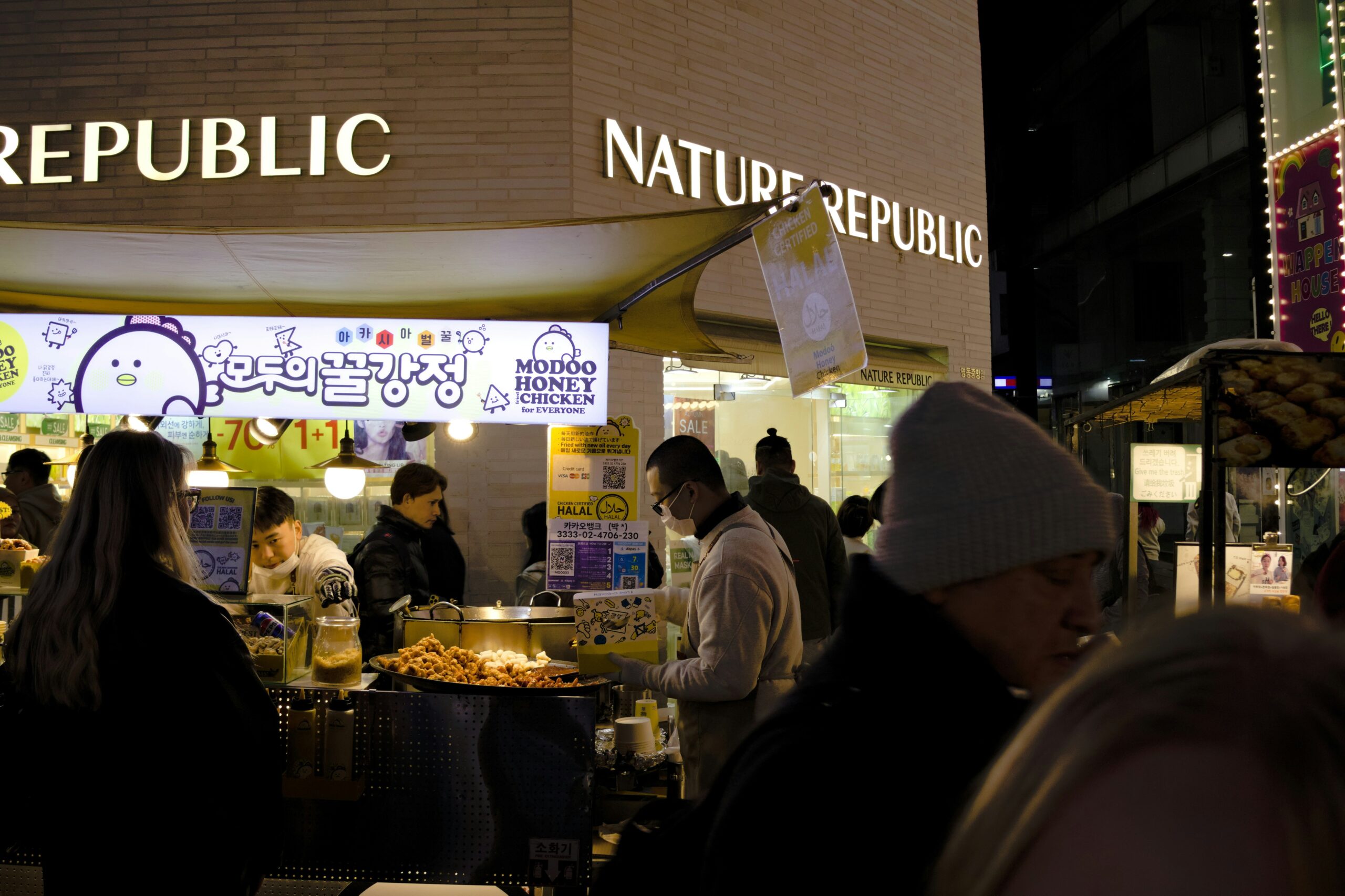
Korean 튀김 takes the Japanese tempura concept and makes it heartier, cheaper, and more diverse. At any 분식집 (bunsikjip, snack restaurant) or street cart, you’ll find trays of pre-battered vegetables, seafood, dumplings, and even seaweed rolls waiting to be fried to order.
The selection is endless: 김말이 (gimmari, seaweed rolls), 고구마 (goguma, sweet potato), 오징어 (ojingeo, squid), and 야채 (yachae, assorted vegetables). Pick what looks good, and they’ll fry it fresh. Dip each piece in the accompanying 간장 (soy sauce) mixture with onions and peppers.
핫도그 (hatdogeu) – Korean corn dogs
Korean corn dogs have taken social media by storm, and they deserve every bit of hype. Unlike American corn dogs, these are often made with yeasted batter, coated in panko breadcrumbs or crushed ramen noodles, and sometimes filled with mozzarella cheese that stretches for days.
The coating options are creative: 감자 (gamja, potato cubes), 시리얼 (sirial, cereal), or traditional breadcrumbs. They’re rolled in sugar after frying, creating that addictive sweet-and-savory combination Koreans perfect so well. Don’t forget to drizzle with ketchup, mustard, and that mysterious sweet mayo.
The Final Two: Unique Experiences You Won’t Find Everywhere
계란빵 (gyeranppang) – egg bread
Imagine a slightly sweet muffin with an entire egg baked into the top—that’s 계란빵. It’s breakfast and dessert combined, warm and portable, perfect for eating while walking through morning markets. The egg remains soft and custardy while the bread provides sweetness and structure.
These individual portions come straight from special molds, and watching vendors crack fresh eggs into each one is mesmerizing. At around 1,500-2,000 won each, they’re one of the most affordable and filling street food options.
군밤 (gunbam) and 군고구마 (gun-goguma) – roasted chestnuts and sweet potatoes
Rounding out our list are the classics that have warmed Korean hands for centuries. 군밤 (roasted chestnuts) vendors use traditional rotating drum roasters, creating that distinctive smoky aroma that signals winter’s arrival. Peeling the hot chestnuts while juggling them between cold hands is a skill every Korean masters.
군고구마 (roasted sweet potatoes) are cooked in special drums or stone boxes until the sugars caramelize and the flesh becomes impossibly sweet and soft. The vendor will split them open for you, releasing a cloud of sweet steam. They’re nature’s dessert—no additions needed.
Speaking the Language of Street Food
Knowing what to order is just the beginning—being able to communicate with vendors adds another layer to your street food adventure. Beyond the basic “이거 주세요” (igeo juseyo, “This one, please”), learning phrases like “얼마예요?” (eolmayeyo?, “How much?”), “덜 맵게 해주세요” (deol maepge haejuseyo, “Please make it less spicy”), or “포장해 주세요” (pojang-hae juseyo, “Please wrap it to go”) can transform your experience.
Many vendors, especially in tourist-heavy areas, speak some English, but attempting Korean always earns you smiles and sometimes extra portions. If you’re planning to spend extended time in Korea or want to dive deeper into food culture, learning Korean through cultural context makes the language stick much better than textbook phrases alone.
Street food also teaches you the rhythm of Korean—the short, efficient phrases used in transactions, the polite vs. casual forms depending on the vendor’s age, and the regional accents that vary from Seoul to Busan. It’s education through deliciousness.
Your Korean Street Food Adventure Awaits
Korean street food represents more than just convenient snacks—it’s the soul of Korean urban life, where strangers become friends over shared spice tolerance tests, where traditional recipes meet modern creativity, and where every season brings its own specialties to anticipate.
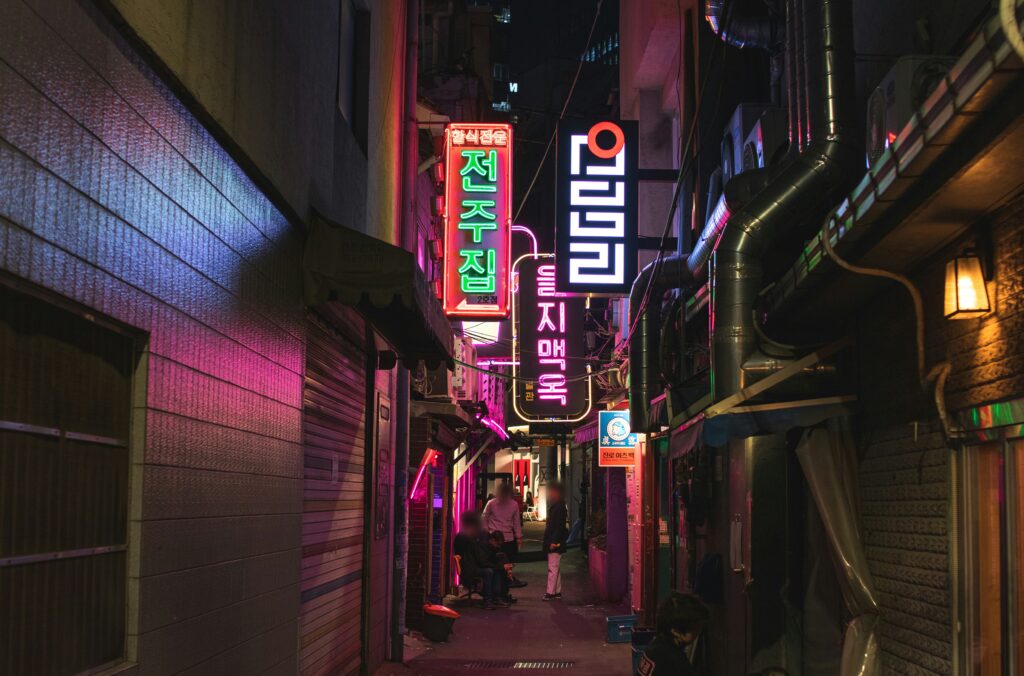
This winter, whether you’re navigating the neon-lit streets of Seoul or recreating these flavors at home, remember that each bite comes with centuries of history and community. The old grandmother who’s been making the same 호떡 recipe for 40 years, the young entrepreneur experimenting with rainbow cheese corn dogs, the tired office worker finding comfort in a cup of 어묵 broth—they’re all part of Korea’s living food culture.
Ready to dive deeper into Korean culture and language? Start planning your street food adventure today, armed with the vocabulary and cultural knowledge to make every interaction memorable. And when someone asks you “맛있어요?” (masisseoyo?, “Is it delicious?”), you’ll know exactly how to respond: “정말 맛있어요!” (jeongmal masisseoyo!, “It’s really delicious!”).
Which of these eleven street foods will you try first? Bundle up, bring your appetite, and prepare for the most delicious Korean language lesson you’ll ever experience. The street food vendors are waiting, and winter in Korea never tasted so good.
Practice What You Learned
Try these interactive quizzes related to this topic:
[UBQ id = “159”]
[UBQ id = “174”]












Responses